The most celebrated albums of 2025 share a powerful, unifying thread: a profound exploration of human loss. While artificial intelligence makes unprecedented inroads into the pop charts, the year's defining works from artists like Lily Allen, Rosalía, and Bon Iver draw their remarkable power from authentic, deeply felt emotion—something algorithms can never truly experience.
A Year Defined by Thematic Depth
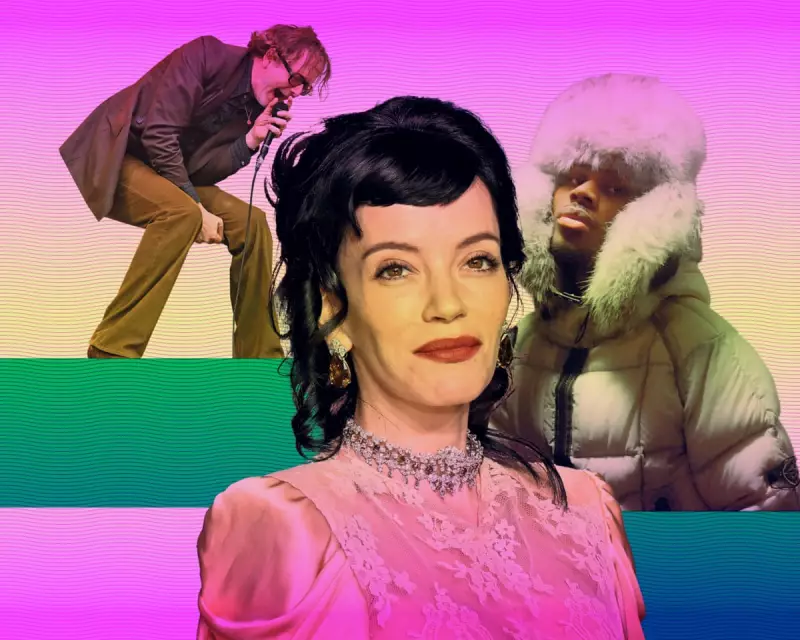
Surveying the critical favourites of the year reveals an eclectic sonic landscape, but a strikingly consistent emotional core. Lily Allen's 'West End Girl' offers a brutally candid dissection of her marriage's collapse, while Rosalía's 'Lux', beneath its religious symbolism, grapples with a prosaic heartbreak. The theme extends beyond romantic fissures into more profound grief.
Dev Hynes, as Blood Orange, channels the loss of his mother into the genre-hopping 'Essex Honey'. Similarly, the Tubs' 'Cotton Crown' is informed by maternal death. The acclaimed comeback album from rap duo Clipse, 'Let God Sort 'Em Out', finds the brothers at their most vulnerable, detailing the passing of their parents. Jim Legxacy references a late sister on his unclassifiable 'Black British Music', and CMAT's 'Euro-Country' memorialises a close friend.

Other artists wrestle with the passage of time itself. Pulp's triumphant return, 'More', examines a vanished past from middle age. Bon Iver's 'Sable Fable', billed as Justin Vernon's final album under that moniker, is a prolonged meditation on looking back and letting go. Anna von Hausswolff's 'Iconoclasts' mourns a world "full of shit and full of evil," lamenting that "The life we had has vaporised into the sky."
The Relentless Rise of AI in Music
This deep, human-centric artistry exists against a backdrop of rapid technological encroachment. 2025 has been a watershed year for AI's impact on popular music. In July, the gently psychedelic Americana band Velvet Sundown, which had amassed millions of streams, was revealed to be a synthetic project "guided by human creative direction" but composed and voiced by AI.
The same month, an AI-generated facsimile of a Brazilian disco track, 'Predator de Perereca' by Blow Records, went viral on TikTok, nearing 50 million streams. By September, a US label reportedly paid $3 million to sign an entirely AI-generated R&B singer named Xavia Monet. The trend reached the charts by November, with AI-generated tracks topping both the US country and gospel digital sales charts.
The UK singles chart was also breached. 'I Run' by Haven, which used an AI vocal designed to mimic R&B star Jorja Smith, entered the chart before being removed after record industry takedown notices. A re-recorded version still reached No. 14.
Human Emotion as the Ultimate Defence
While AI can convincingly replicate the sonic patterns of disco, country, or gospel, it is fundamentally incapable of processing the lived experience of loss, love, and regret that fuels the year's most resonant music. The very notion of an AI gospel song spectacularly misses the point of a genre built on faith and testimony.
These acclaimed 2025 albums were not celebrated merely for catchy hooks or pleasant sounds. They connected because listeners bought into the authentic stories, were moved by the raw feelings expressed, and saw their own lives reflected in the lyrics. They stand as powerful proof that music is more than a mere "alternative to silence"—a phrase chillingly used by some streaming services to justify playlist filler.
In a year of spectacularly grim themes fitting a troubled era, this collective turn towards emotional honesty is, paradoxically, a source of optimism. It reaffirms the irreplaceable value of human experience in art, creating a depth that no algorithm, however sophisticated, can ever truly forge.