A celebrated Indian cultural institution in West London faces an uncertain future after losing a legal battle to stop parking changes it claims could devastate its operations.
Legal Challenge Fails as New Rules Loom
The Bhavan, which has been based at its West Kensington site since 1977, saw its last-ditch attempt to delay extended parking restrictions rejected by the court. The legal submission was refused partly because it was filed just days before the new rules were due to take effect on Monday, December 1.
The centre had sought to halt Hammersmith and Fulham Council's planned extension of parking controls, which will now operate until 10pm seven days a week instead of the previous Monday-to-Friday, 9am-5pm restrictions.

A Centre of Cultural Significance
Founded in 1972 by a disciple of Mahatma Gandhi, The Bhavan represents one of London's most important cultural institutions. It teaches 23 different arts and educational subjects under one roof and attracts approximately 800 students weekly.
The centre's prestige is evident from photographs lining its walls, showing visits from notable figures including Margaret Thatcher, King Charles (when he was Prince), and Beatles legend George Harrison.
In a remarkable historical connection, it was discovered after The Bhavan moved to its current location that Mahatma Gandhi himself had attended the church attached to the centre during his time as a law student in London, having lived just around the corner.
Why Parking Changes Pose an Existential Threat
The extended parking restrictions include a maximum one-hour stay for non-permit holders, which The Bhavan argues would prevent students and performers from attending classes and shows that typically last much longer.
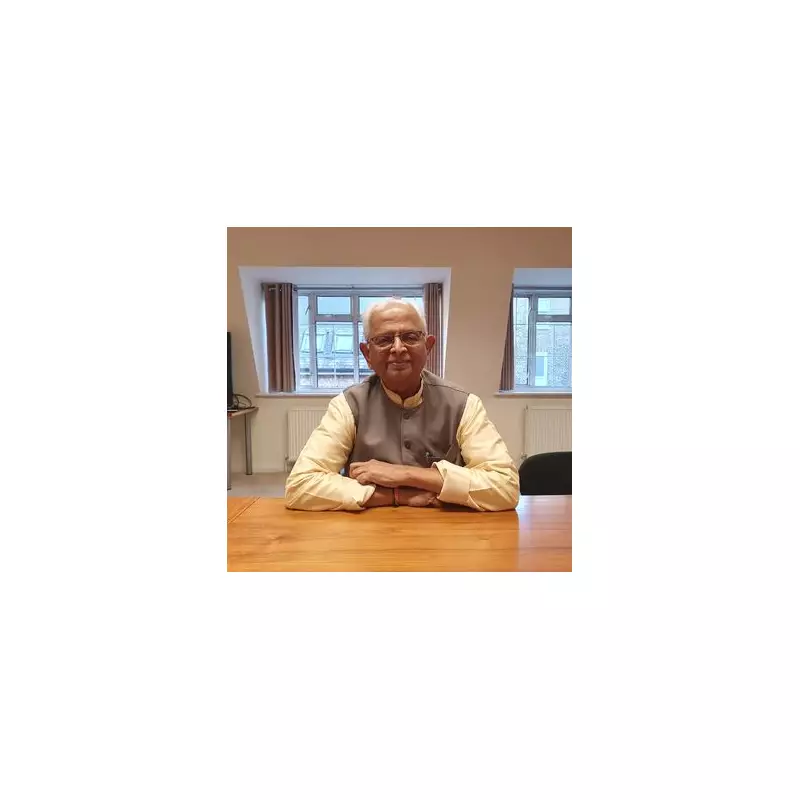
Dr MN Nandakumara, Executive Director at The Bhavan, revealed the personal toll the situation has taken. "In the past 15 days I must say I haven't slept properly," he said. "These parking restrictions are one thing, not only are they making it seven days [but also] until 10 o'clock. To a theatre, can you imagine?"
The centre's 300-seat auditorium regularly hosts three performances weekly, mostly during evenings and weekends when the new restrictions would apply most severely.
Meera Vinaya Krishna, Head of Operations and Business Development, emphasised their unique status: "We are not just another household. We are trying to tell them we are not just another business. We are a culture centre with a significant and extensive legacy."
Council Response and Alternative Solutions
A Hammersmith and Fulham Council spokesperson expressed sympathy with The Bhavan's situation but confirmed the changes would proceed following the court's decision.
The council has made a bespoke offer to install two parking terminals within the centre with easy sign-up and reduced tariffs for staff and visitors, who would be allowed to park for unlimited durations under the business scheme.
However, centre management argues this solution is impractical given the volume of visitors, particularly those carrying large instruments or expensive costumes that make public transport difficult.
Support for The Bhavan's position came in a letter from Olivia Harrison, former wife of George Harrison, who wrote: "I am very concerned that such restrictions would seriously hinder Bhavan's ability to operate and to continue to serve its community effectively."
The council maintains that the changes follow extensive consultation where the majority of respondents favoured the extended restrictions, responding to resident concerns about parking pressure from out-of-borough drivers.
With the legal avenue exhausted and new rules imminent, The Bhavan faces adapting to a new parking reality that its leadership fears may fundamentally threaten its ability to continue serving London's cultural community as it has for nearly five decades.