Yuja Wang's Electrifying Rautavaara Performance Stuns Barbican Audience
The Barbican Hall in London witnessed a remarkable display of musical prowess as pianist Yuja Wang and conductor Tarmo Peltokoski took center stage with the London Symphony Orchestra. Wang's interpretation of Einojuhani Rautavaara's monumental Piano Concerto No 1 from 1969 was nothing short of ferocious, showcasing her formidable technical abilities and bright clarity.
A Physical and Demanding Concerto
Rautavaara's dense composition demands considerable physicality from the soloist, and Wang rose to the challenge with explosive energy. At several points during the performance, she all but attacked the keyboard, employing clusters of notes and even using her forearm to thump out melodic shapes. The orchestra provided just enough adversarial tension under Peltokoski's judicious direction, creating a perfect balance that highlighted Wang's virtuosic capabilities.
Encores That Captivated the Crowd
Following the concerto, Wang treated the audience to three encores that demonstrated her versatility and musical depth. She began with a richly singing Barcarolle by Finnish composer Erkki Melartin, followed by the highlight of the evening: her own arrangement of the desperate second movement from Shostakovich's String Quartet No 8, which she dispatched with exhilarating virtuosity. The final encore featured Brahms's Hungarian Dance No 6 as a piano duet, with Peltokoski joining Wang at the keyboard, revealing his own considerable pianistic skills.

Tarmo Peltokoski's Masterful Wagner Interpretation
At just 25 years old, Finnish conductor Tarmo Peltokoski has already packed significant opera-house Wagner experience into his career. For this concert, he presented Henk de Vlieger's arrangement The Ring: An Orchestral Adventure, which condenses Wagner's 16-hour Ring cycle into approximately 60 minutes of orchestral music.
Clever Pacing and Strategic Restraint
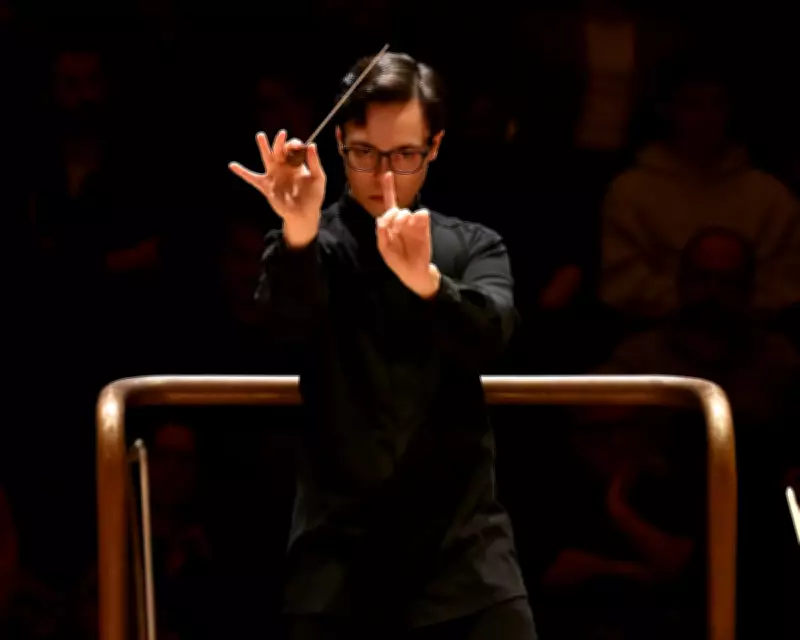
Peltokoski demonstrated remarkable maturity in his approach to this challenging condensed version. He began as a discreet presence on the podium, maintaining a small, almost impassive beat as the Rheingold music burst into sunlight around him. Even during the dramatic Ride of the Valkyries, he showed restraint, primarily holding back the brass section. This strategic husbanding of resources proved to be a masterstroke of pacing.
Building to Passionate Climaxes
As the performance progressed, Peltokoski's gestures grew increasingly broad and passionate. By the time the orchestra reached the triumphant Brünnhilde-Siegfried love music, he was drawing out richly lyrical playing from the LSO musicians. The climax came during Siegfried's funeral music, where Peltokoski's enthusiasm was so palpable that both feet left the floor at the emotional peak of the piece.
A Rewarding Orchestral Experience
While some might argue that condensed versions of Wagner's epic cycle inevitably leave out beloved passages (Die Walküre received relatively short shrift in this arrangement), the performance proved thoroughly rewarding. The London Symphony Orchestra was in glowing form throughout, responding sensitively to Peltokoski's nuanced direction and creating a cohesive musical narrative that captivated the Barbican audience.
This concert marked Peltokoski's debut with the London Symphony Orchestra, and based on this impressive showing, it certainly won't be his last appearance with the ensemble. The combination of Wang's ferocious pianism and Peltokoski's passionate conducting created an unforgettable evening of classical music that showcased both established mastery and emerging talent at the highest level.