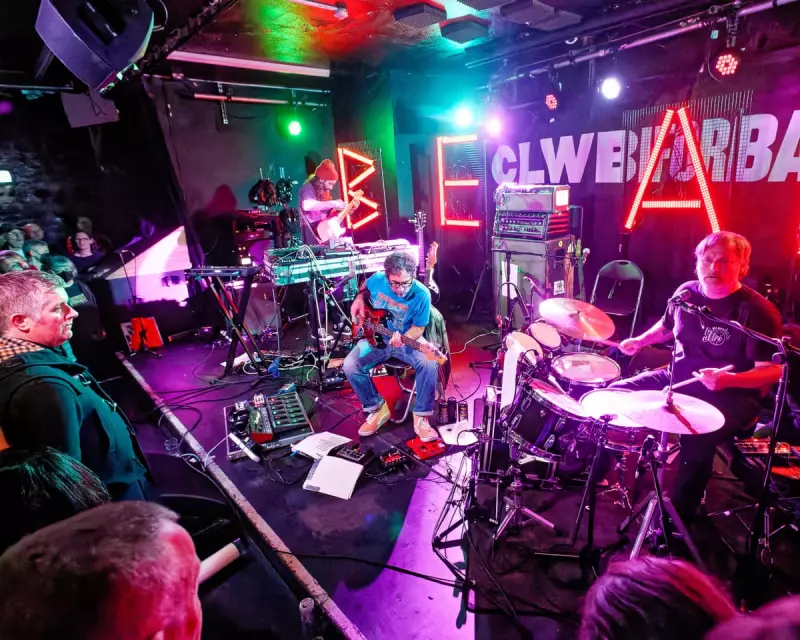
The UK's grassroots music venue sector has shown signs of stabilisation in the post-pandemic era, recording its lowest annual rate of decline since 2018. According to the latest annual report from the Music Venue Trust (MVT), the number of these vital cultural spaces effectively shrank by just nine in 2025, marking a significant improvement from previous years of more severe closures.
A Sector in Precarious Recovery
Between July 2024 and 2025, thirty venues closed permanently while forty-eight ceased operating as grassroots music venues, citing financial viability issues, changes in ownership, and eviction or redevelopment pressures. However, this loss was partially offset by the return of sixty-nine spaces that had previously stopped functioning as music venues, contributing to the sector's overall stabilisation.
The MVT's report reveals that while the sector generated £76.6 million in revenue during 2025, more than half of grassroots venues (53.8%) reported making no profit whatsoever. The average profit margin across the sector stood at a precarious 2.5%, with 38% of venues now operating as not-for-profit organisations.

Employment Challenges and Financial Pressures
Employment within the grassroots music sector has experienced a dramatic decline, dropping by almost 22% from 30,885 to 24,242 people. Venue operators have identified national insurance increases for employers as the primary driver behind these job losses, further straining an already financially vulnerable sector.
The Music Venue Trust has issued a stark warning that "the majority of venues are one financial shock away from crisis." This concern is underscored by the record number of appeals the organisation's emergency response service handled from venues facing financial insecurity, neighbouring planning applications, and pressure from music licensing bodies.
Calls for Legislative Support and Industry Action
The MVT has made several urgent recommendations to secure the future of grassroots music venues. The organisation is calling for the government to legislate rather than merely endorse the introduction of a grassroots levy. This proposed scheme would see UK arena and stadium shows add £1 to all tickets to create a dedicated fund supporting smaller venues.
Currently operating on a voluntary basis, the levy has seen participation from some major venues including London's O2 Arena and artists such as Sam Fender and Katy Perry. However, Guardian reporting has revealed that Live Nation, which controls 66% of the UK's major event ticket market, has not yet taken the pledge. A company spokesperson stated they support the levy's aims and find it "encouraging" to see artists they work with opting in.
Additional Policy Recommendations
The Music Venue Trust has also called for several other crucial measures:
- Enshrining the agent of change policy in law, ensuring new developments near existing music venues handle their own noise protection
- Continuing efforts to reduce barriers to touring following Brexit
- Ensuring funds including the Music Growth Scheme adequately support grassroots talent
Organisational Initiatives and Geographic Disparities
Under its own initiatives, the MVT plans to expand its frontline venue support team and emergency hardship fund, which provide both advice and financial assistance to prevent what the organisation terms "avoidable closures." The trust has committed to immediately investing £2 million into programmes designed to reduce operating costs, raise efficiency, and improve experiences for both artists and audiences.
The organisation's Liveline touring programme is proposed as a "fully funded solution to the root cause of the touring crisis," covering venue costs, reducing risk for promoters, and guaranteeing artist fees. This initiative addresses a significant geographic disparity highlighted in the report: 175 UK towns and cities with at least one grassroots music venue did not host any significant touring artists during the reporting period.
Despite these challenges, there are positive indicators of expansion in the UK touring landscape. Last year, Denis Desmond, chair of Live Nation UK & Ireland, noted that compared to 2015, the company is now hosting events in 40% more towns across the UK, suggesting that demand for live music is indeed nationwide.

The stabilisation of grassroots music venues represents a crucial development for the UK's cultural landscape, though significant challenges remain regarding financial sustainability, employment, and geographic accessibility of live music experiences across the country.