Tyler Ballgame's Debut Album: A Theatrical Homage to 1970s Singer-Songwriters
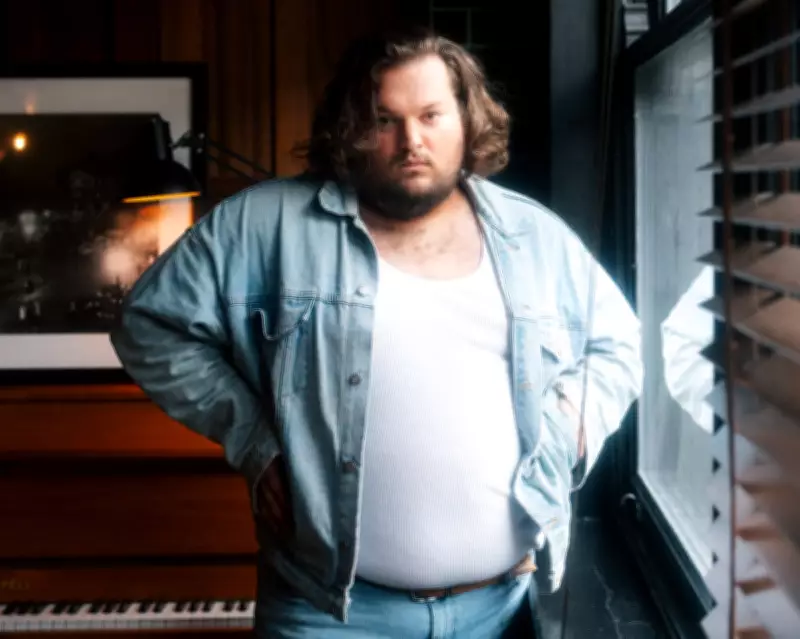
Scrolling through Tyler Ballgame's Instagram feed reveals a remarkable transformation over the past year. Just twelve months ago, his posts featured flyers for free gigs in tiny Los Angeles bars, often paired with tarot readings or vintage clothing markets. A support slot with the minor jam band Eggy was considered a major achievement, and news of a London show prompted disbelief among followers. Today, the LA singer has signed with Rough Trade and released his debut album, For the First Time, Again, which courts comparisons to 1970s greats while showcasing his beautiful, if occasionally overeager, vocal talents.
From Obscurity to Critical Acclaim
The turning point came when a video of Ballgame performing at Los Angeles bar the Fable went viral online. Shortly after his first trip to London, he returned to the UK for the Brighton industry showcase the Great Escape, leading to a deal with Rough Trade. Critics have since showered him with praise, drawing parallels to icons such as Roy Orbison, Elvis Presley, John Lennon, Harry Nilsson, Randy Newman, Jim Morrison, and Tim Buckley. This rapid rise has captivated the remaining music press, intrigued by his hippy-friendly philosophy inspired by Alan Watts and a compelling backstory.
A Persona Born from Personal Struggle
Ballgame, born Tyler Perry, is a Berklee College of Music dropout who spent years secluded in his parents' basement, battling depression and a heavy marijuana habit. He credits a "spiritual awakening" to the works of German self-help guru Eckhart Tolle—also favoured by Kendrick Lamar—and the guidance of dietician and counsellor Courtney Huard, whose tragic murder by her husband adds a layer of intrigue. Ballgame explains that Tyler Ballgame is not just a stage name but a persona, an "idealised frontman from the 60s and 70s" crafted from his drama background to grant him "the licence to show more" of himself.

Vocal Style: Beauty Meets Theatrics
On his debut album, Ballgame's vocal style is a study in contrasts. His voice is straightforwardly beautiful—a bruised, brooding croon that effortlessly transitions into an emotive falsetto. Yet, there's a theatrical edge to his delivery, with careful enunciation and mangled vowels, as heard in lines like "mama always told me that the cream would roooot" from Matter of Taste. At times, his Elvis or Orbison-esque inflections feel deliberate, as if he's actively inviting comparisons to these legends.
Lyrical Honesty and Musical Craftsmanship
The lyrics on For the First Time, Again lean toward open-hearted confessionals, such as "I learned your name but missed its meaning when I didn't know how to feel" from the title track. These themes often explore life after depression, tinged with fears of its return. Musically, the album is a knowing recreation of 1970s singer-songwriter sounds, produced by Jonathan Rado—known for work with Miley Cyrus, the Killers, and the 70s-obsessed Lemon Twigs. Recorded live using analogue methods, the tracks feature audible tape hiss, warm punchy sounds, and reverb-drenched vocals that evoke artists from two decades past.
Earnestness Versus Artifice
Ballgame's songwriting blends earnestness with artifice, reminiscent of Michael Kiwanuka's 2012 debut Home Again and its Bill Withers cosplay. While this eagerness to align with a classic rock lineage can feel jarring, the quality of the material often sweeps listeners along. Standout tracks include Deepest Blue and Waiting So Long for their gorgeous melodies, and You're Not My Baby Tonight for its magical tempo shifts. Despite its staginess, Ballgame's voice shines in cathartic moments, like the wordless climax of Goodbye My Love.

A Promising Starting Point
The excitement surrounding Tyler Ballgame is understandable, given his rapid ascent and vocal prowess. While For the First Time, Again may lean too eagerly on its influences, this overeagerness is a forgivable flaw in a debut album. Much like Kiwanuka, Ballgame's future work could see him stepping further from these inspirations, potentially leading to even greater artistic achievements. For now, this album serves as a compelling introduction to a singer who masterfully blends personal confession with theatrical homage.