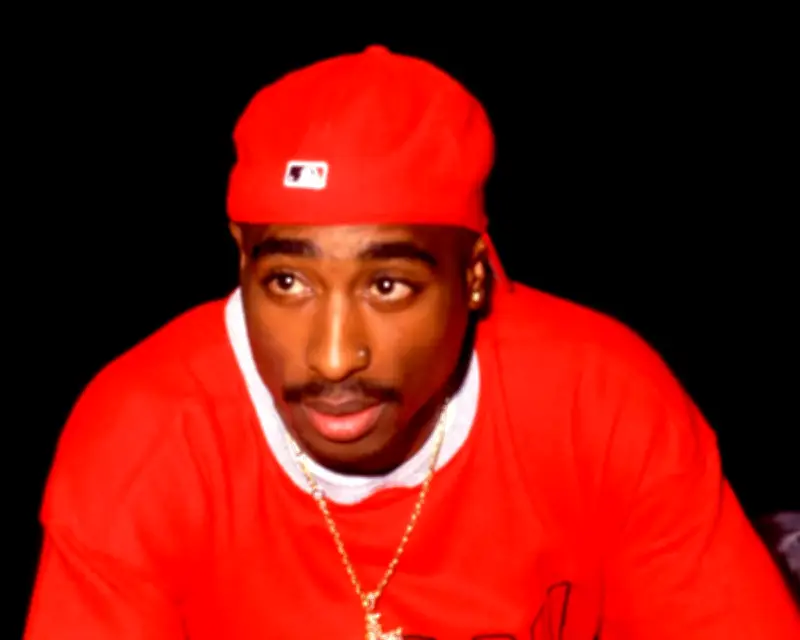
Thirty years after Tupac Shakur was fatally shot in Las Vegas, a criminal conviction has finally been secured. Duane “Keffe D” Davis, a former California gang leader, was found guilty of murder on Monday for his role in orchestrating the 1996 shooting. The verdict sent shockwaves through Shakur’s global fanbase, who had waited decades for answers.
Conviction Follows Decades of Confessions and a Memoir
The case against Davis relied heavily on his own admissions, including his 2019 memoir, Compton Street Legend, in which he detailed the events of 7 September 1996. Davis admitted he devised a plan to retaliate against Shakur after the rapper’s entourage attacked Davis’s nephew in the lobby of the MGM Grand hotel. Authorities have long suspected Davis’s nephew, Orlando Anderson, of being the gunman; Anderson died in 2004.
Davis, now 63, is set to be sentenced in October and faces at least 40 years in prison. This marks the first conviction in a case that has haunted hip-hop culture for nearly three decades.
Fans Reflect on Shakur’s Legacy and the Long Wait
For many fans, the verdict brings a complex mix of emotions. Kelly Wilson, 48, a Seattle-area resident, was a teenager when Shakur—just 25 at his death—captivated the hip-hop world. “There was a lot of depth to him that I just didn’t hear elsewhere,” Wilson said on Tuesday.
Wilson, who describes himself as “as white Irish as you get,” connected with Shakur’s philosophy of speaking “for the people who don’t have a voice.” Despite criticism that Shakur’s lyrics glorified violence, Wilson and many others viewed him as a chronicler of inner-city life, addressing racial inequality and police brutality.
His son, 22-year-old Julian Wilson, drew a parallel between the trial and Shakur’s 1996 track “Hail Mary.” The song’s music video opens with an incarcerated man lamenting wrongful imprisonment, and another inmate consoles him: “Revenge has a funny, funny way of setting the score, and when it happens, you will know.” Julian said, “That’s always stuck with me. Some things may take time, but it will always come around. Even then, they still had faith that justice was going to be served no matter how long it took.”
Mixed Emotions and a Grounding of History
Kelly Wilson called the verdict “long overdue,” noting that others who might have been more culpable have since died. “It’s nice to have the final chapter written for the family and those that need that healing,” he said.
Casey Rain, a British musician and former moderator of the Shakur fan forum HitEmUp.com, admitted he once believed conspiracy theories about the rapper’s death. “I don’t mind admitting that there was a time in the years immediately following his passing where I definitely bought into some of those conspiracy theories. A lot of people did because we didn’t have access to the information that we have now,” Rain said, referencing theories that Shakur was secretly alive.
“Everything surrounding his murder has kind of existed in this middle ground of historical events and folklore. For somebody to be convicted of doing it, that grounds it and makes it real,” Rain continued. “This isn’t a sort of hip-hop, folklore, mythology story. This is a 25-year-old man that was murdered.”
Rain also highlighted the irony that the case was solved because Davis repeatedly spoke about the crime. “It finally got solved because one of the people involved in it just wouldn’t shut up talking about it. It’s a really strange kind of irony. It’s astonishing,” he said.
Davis’s sentencing is scheduled for October, where he will learn whether he will spend at least four decades in prison for orchestrating the murder of one of hip-hop’s most enduring icons.