Taylor Swift's Unexpected London Location Choice
Taylor Swift, the global pop phenomenon, has long celebrated London in her music, most famously in her track London Boy which references Camden Market, Brixton nights, and Hampstead Heath. Having resided in North London for approximately six years, her affinity for the capital is well-documented among her fanbase. However, her latest creative venture has taken an unexpected turn, focusing on a location far from the city's glamorous hotspots.
The Opalite Music Video Revelation
In November 2025, speculation mounted that Taylor Swift had travelled from the United States to London to film at the Whitgift Centre in Croydon. These rumours were confirmed last week with the release of her Opalite music video on Spotify and Apple Music on February 6, 2026. The song features on her twelfth original studio album, The Life of a Showgirl.
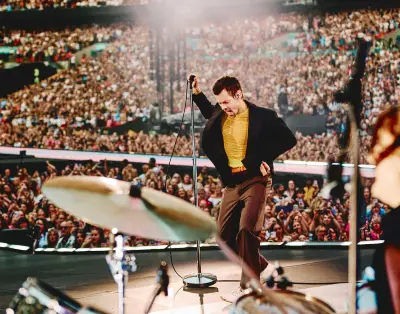
The video showcases Taylor Swift and actor Domnhall Gleeson exploring the Whitgift Centre, riding escalators, enjoying pretzels, and browsing. They are accompanied by notable figures including Graham Norton and dancers from her Eras Tour. For the production, the shopping centre was dramatically transformed into a nostalgic 90s-style mall, complete with added signage featuring lyrics from other Taylor Swift songs, vibrant green plants, enhanced lighting, and a burst of colour.

The Whitgift Centre's Historical Context and Current State
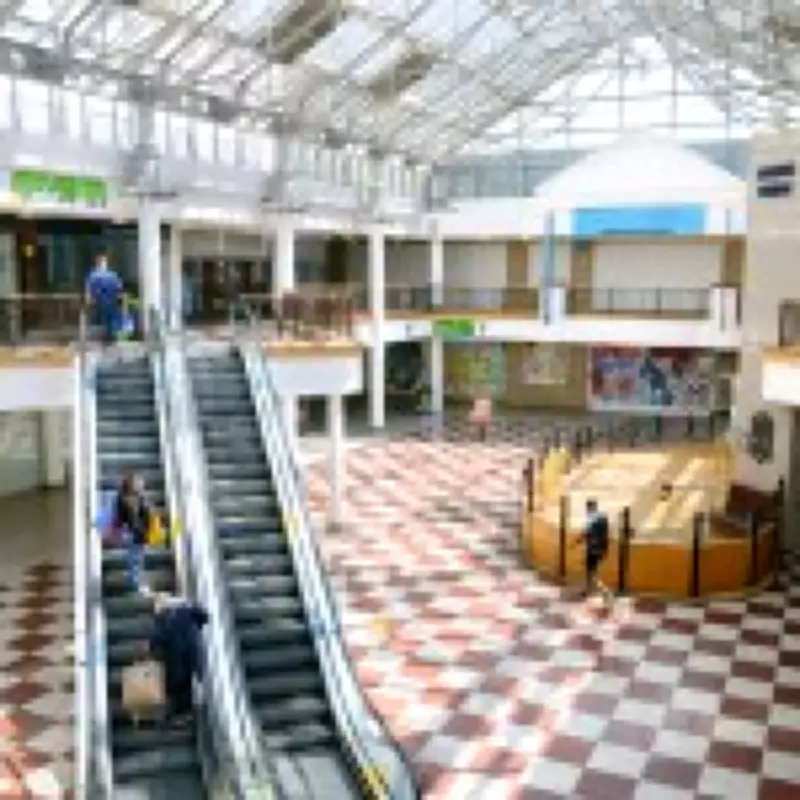
Originally opened in 1970, the Whitgift Centre held the title of the largest covered shopping development in Greater London until Westfield White City opened in 2008. Over the decades, however, it has significantly declined, with locals describing it as a mere shadow of its former self. Online reviews paint a bleak picture, with terms like 'depressing', 'run down', and 'absolutely dreadful' frequently used.
Recent comments from visitors underscore this sentiment. Louise Mulhern expressed sadness at seeing the centre so depleted, reminiscing about its past vibrancy with numerous shops and restaurants. Similarly, Sofia Martins noted the gradual closure of stores has made the place feel desolate, while Leonora Nelson and Ian Pritchard lamented its current impoverished and neglected state.
Viral Reactions and Misconceptions
Photos comparing the Whitgift Centre's real-life appearance to its depiction in Taylor Swift's video have gone viral online, particularly over the weekend. Many American viewers mistakenly assumed the centre was abandoned due to its empty and dilapidated look. In reality, it is not abandoned but reflects broader challenges in British retail; as of October last year, 73 retail outlets were reported vacant.
This misconception sparked a defensive response from Croydon residents on social media. While some online comments mocked the area, locals rallied to praise their town. Instagram users like @rossledozzel celebrated the video's location choice, @london_saga called Croydon underrated, and @tashbeautsss argued that critics are part of the problem, expressing optimism about the area's revival.
Future Prospects and Redevelopment Plans
The video has inspired discussions about the Whitgift Centre's potential. Social media users, such as @the.south.wing, suggested that Taylor Swift's retro transformation could serve as inspiration for sustainable redevelopment, advocating for preserving the building's design with a cool, innovative twist.
Currently owned by Unibail-Rodamco-Westfield (URW), the centre is slated for revitalisation. Consultation plans propose converting it into a mixed-use space with housing, shops, and green areas. However, progress has stalled, with no work commenced yet and estimates suggesting development might not begin until 2028.
Cultural Impact and Local Pride
Taylor Swift's choice to feature the Whitgift Centre has inadvertently highlighted issues of urban decay while boosting local morale. It underscores how pop culture can reframe perceptions of neglected spaces, prompting both nostalgia and hope for regeneration. As Croydon residents defend their community with gusto, this moment may catalyse renewed interest in the centre's future, blending music, memory, and urban renewal in a uniquely London story.