The Royal Opera's Jette Parker Artists presented a triple bill of English-language one-act operas under the title Tales of Love and Loss, a name that might suggest profound seriousness. Yet, the evening concluded with laughter, a surprising shift from the somber opening work.
The Departure: A Haunting Farewell
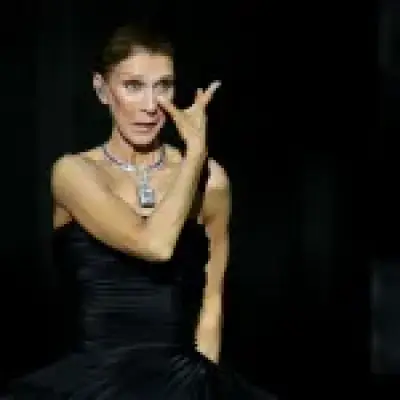
Elizabeth Maconchy's 1961 two-hander The Departure, last staged in 2007, opens with a woman observing a funeral from her bedroom window. When her husband returns home, she realizes the funeral is her own, and she must bid farewell. Directed by Talia Stern with a 1960s set by Ana Inés Jabares-Pita, the piece flirted with melodrama, particularly through flashing-light effects recalling the fatal car crash and a mawkish ending with a crying baby. However, Maconchy's music—somber yet lyrically expansive, making the 14-strong Britten Sinfonia sound larger—provided an impressive vocal showcase for mezzo-soprano Ellen Pearson and baritone Sam Hird.
Making Arrangements: Tragicomedy with a Ghostly Wife
Charlotte Bray's Making Arrangements, originating from the 2012 Tête-à-Tête Opera festival, features a libretto by Kate Kennedy. Here, a wife appears as a ghostly presence, but to almost comic effect: she writes a letter coaxing her wealthy, dull soon-to-be-ex-husband to send her belongings. When he snaps, we almost cheer his gothic rampage through a box of her evening dresses. Bray's lean, focused score, conducted by Peggy Wu, stylishly tells the story, notably in elegant passages where the husband reads the letter while the wife's voice tunes in and out. Hird and Hannah Edmunds captured the tragicomic mood perfectly.

Four Sisters: Frenzied Satire and a Surprise Reveal
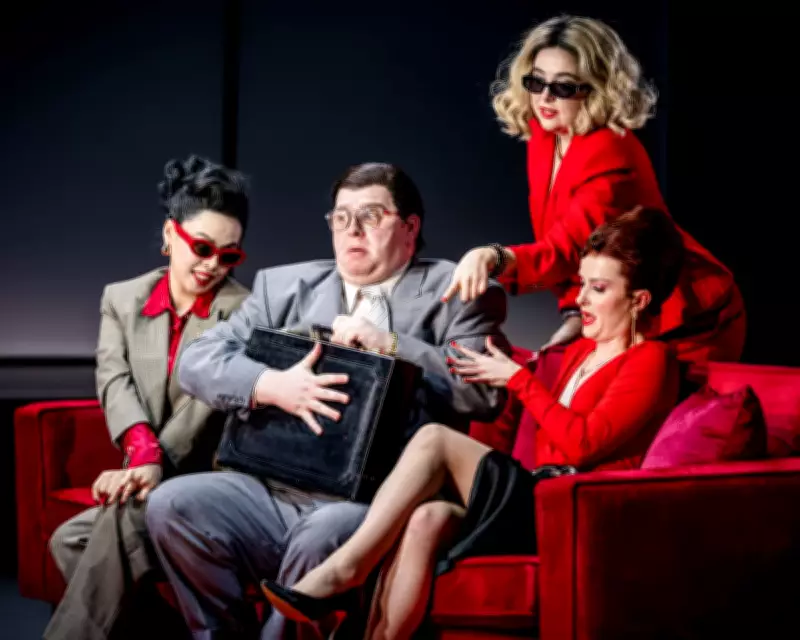
The evening's highlight was Elena Langer's Four Sisters, also from 2012 but presented in a new chamber-orchestra version. It opens with a frenzied overture set in a smart 1980s apartment: a coffin and a portrait of a glowering patriarch at the back, and his three acknowledged daughters passed out on designer sofas. The maid pries the Veuve Clicquot from their sleeping fingers. John Lloyd Davies's sharp libretto revolves around the reading of the will and the existence of a fourth daughter—a reveal that is satisfying despite being predictable. Langer's music is effortlessly witty, shifting styles for the sisters' mini-arias about their dreams of wealth. The cast—Pearson, Jingwen Cai, Madeline Robinson as the sisters, Hird as the New York lawyer, and Edmunds as the dark-horse maid—clearly enjoyed themselves.
Performances continue at the Linbury Theatre, London, until May 9.