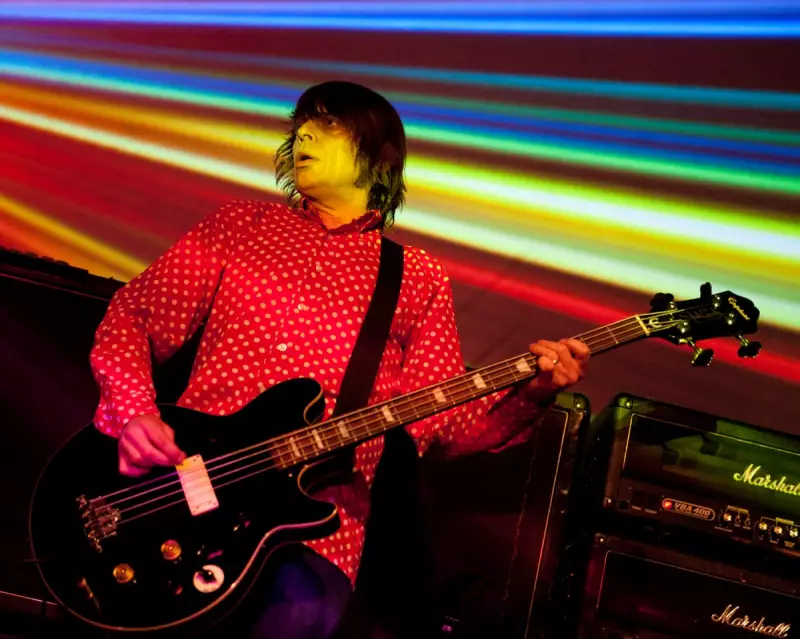
The British music scene has lost one of its most influential figures with the death of Gary 'Mani' Mounfield, the legendary bassist for both the Stone Roses and Primal Scream, at age 63.
The Meteoric Rise of the Stone Roses
The Stone Roses' transformation from Manchester cult favourites to national sensations occurred with breathtaking speed during 1989. At the beginning of that year, the band struggled to fill modest London venues like Dingwalls and received minimal attention from mainstream alternative music outlets. John Peel remained unimpressed, while music publications largely ignored their single Elephant Stone. Yet by November, they had achieved what seemed impossible for most indie bands of the era - their single Fools Gold entered the charts at number 8 and their Top of the Pops performance became the week's must-see attraction.
Mani's Revolutionary Groove
While many factors contributed to the Stone Roses' extraordinary appeal - including their distinctive acid house-aligned fashion, confident attitude, and John Squire's virtuoso guitar work - the rhythm section's unique swing truly set them apart. Unlike most British alternative rock of the late 80s, the combination of Alan "Reni" Wren's drums and Mani's bass created music you could actually dance to, a radical departure from the standard indie disco fare.

Mani's musical education differed significantly from typical indie musicians of his generation. While he admired the Byrds' Chris Hillman, his true inspiration came from "good northern soul and funk". This background became the secret ingredient that powered the Stone Roses' groundbreaking debut album. His fluid playing drove the transition in I Am the Resurrection from Motown stomp to loose funk, while his octave-leaping bass lines gave Waterfall its distinctive bounce.
On Fools Gold, Mani's writhing, relentless bass became the track's undeniable focal point, overshadowing even the borrowed Bobby Byrd breakbeat and Squire's wah-pedal guitar work. Similarly, the bass line remains the most memorable element of She Bangs the Drums for most listeners.
The Funk That Fuelled and Faltered
Mani believed that the Stone Roses' musical missteps occurred when they abandoned their funky foundations. He described the disappointing follow-up to Fools Gold, One Love, as suffering because it "could have swung a little more, it's a little bit rigid". While he staunchly defended their often-criticised second album Second Coming, he suggested its flaws could have been addressed by stripping back the Led Zeppelin-inspired guitar layers and "reverting to the groove".
His perspective seems justified when examining Second Coming's highlights. Tracks like Daybreak, Love Spreads, and the superb Begging You all feature moments where Mounfield's bass takes centre stage. Conversely, on more turgid songs, listeners can almost hear him struggling to inject energy into the proceedings. His playing on Tightrope completely contrasts the track's overall listlessness, while on Straight to the Man he visibly attempts to energise what otherwise amounts to mediocre country-rock.
Primal Scream Resurrection and Lasting Legacy
Following the Stone Roses' implosion after their disastrous 1996 Reading Festival headline slot, Mani's move to Primal Scream revitalised a band struggling after the cool reception to 1994's Give Out But Don't Give Up. His sound evolved - becoming dubbier, heavier and more distorted - but retained the swing that had distinguished the Stone Roses. This remained evident on the low-slung funk of 1997's Kowalski and his ability to push bass to the forefront continued undiminished.
His popping, hypnotic bassline dominates the fantastic 1999 single Swastika Eyes, while his playing on Kill All Hippies - both highlights from Xtrmntr, arguably Primal Scream's best album since Screamadelica - stands as truly magnificent.

Always known as an affable, approachable presence who punctured the Stone Roses' media hauteur, Mani took the stage at their 2012 reunion concert in Manchester's Heaton Park playing a customised bass bearing the legend "Super-Yob" - the nickname of Slade's permanently grinning guitarist Dave Hill. The reunion ultimately produced little beyond lucrative gigs, with two new singles demonstrating that the magic of 1989 couldn't be recaptured.
Mani quietly announced his retirement in 2021, content with his earnings and newly passionate about fly-fishing, which he noted provided "a good excuse to go to the pub".
His impact on British music remains undeniable. While the Stone Roses influenced countless bands - from Oasis's swagger to Britpop's commercial ambitions - their most immediate effect was rhythmic. After their initial success, indie bands everywhere suddenly wanted to make audiences dance. For Mani, this was always the fundamental purpose of his instrument. "It's what the bass and drums are for, aren't they?" he once stated. "That's what they're for."