Spotify's annual Wrapped campaign has once again captivated UK users, but this year's rollout included a new feature that has sparked both delight and dismay. The introduction of a 'listening age' metric has led to surprising generational revelations for many subscribers, all while Taylor Swift cemented her dominance as the UK's most streamed artist for an unprecedented third year in a row.
The Generational Shuffle: Spotify's New 'Listening Age'
The 'your listening age' tool, a fresh addition to the personalised Wrapped review, analyses a user's annual streaming habits and compares them to generational trends. The result is a playful, and often jarring, hypothesis about a listener's musical maturity. The feature is loosely based on the 'reminiscence bump' theory, which suggests people are drawn to music from their formative years.
However, the outcomes have been anything but predictable. Many Gen Z users reported receiving a listening age in their 70s, while some older listeners found their tastes deemed remarkably youthful. The artist Grimes, for instance, was assigned a listening age of 92, which she attributed to her 'love of the oldies'.

Mark Morgan, a 37-year-old ecologist, took his assigned age of 72 in stride. He speculated that his repeated plays of Linda Ronstadt's 1970 track 'Long Long Time' – featured in the hit drama The Last of Us – might have influenced the algorithm. "I was neither happy nor annoyed by it but it maybe makes you feel a little less cool," he admitted.
Chart-Toppers and Personalised Data
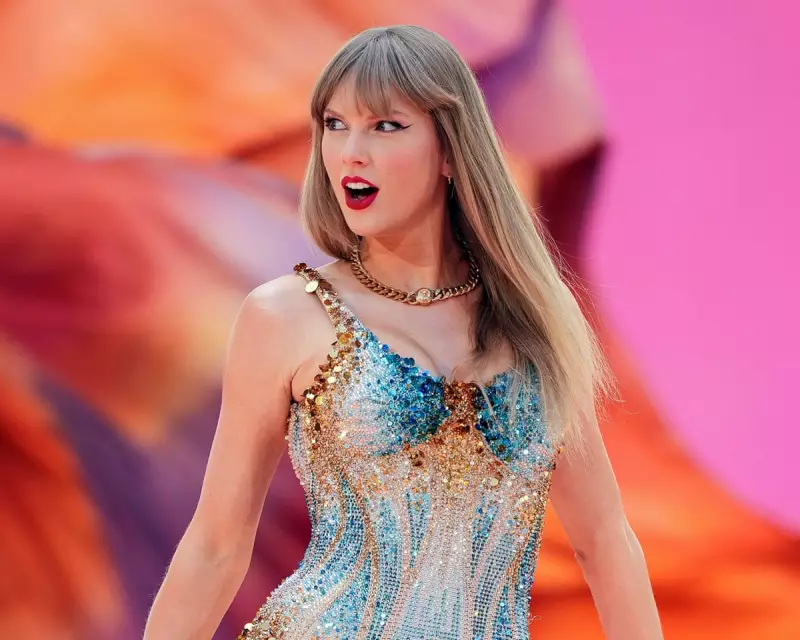
Amidst the personal revelations, the broader UK streaming charts told a familiar story. Taylor Swift maintained her iron grip on the top spot, marking her third consecutive year as the nation's most-streamed artist on Spotify. She was followed by Drake, Sabrina Carpenter, and The Weeknd. The most streamed single of the year was Alex Warren's 'Ordinary'.
The Wrapped phenomenon has proven to be a marketing masterstroke for Spotify. Digital marketing expert Troy Osinoff hailed it as "the most successful marketing tactic of the last 10 years," built on the simple premise that "people are obsessed with themselves." The campaign ingeniously encourages users to share their unique data cards across social media, generating immense organic publicity for the platform.
Behind the Fun: Marketing and Controversy
While Wrapped generates widespread engagement, it operates within a broader context of scrutiny for the streaming giant. A rival 'Unwrapped' campaign has emerged, aiming to highlight criticisms of Spotify. These include the platform's hosting of AI-generated music and its acceptance of advertising from US Immigration and Customs Enforcement (ICE).
Spotify has defended its position on the ICE ads, stating they were part of a broad US government campaign and do not violate its policies. The company notes that users can give ads a thumbs up or down to manage their preferences.
Ultimately, the blend of personalised data, shareable content, and sheer pop culture momentum – exemplified by Taylor Swift's ongoing reign – ensures Spotify Wrapped remains a dominant year-end talking point. Whether users are celebrating or questioning their musical age, the campaign successfully turns individual listening habits into a shared social experience.