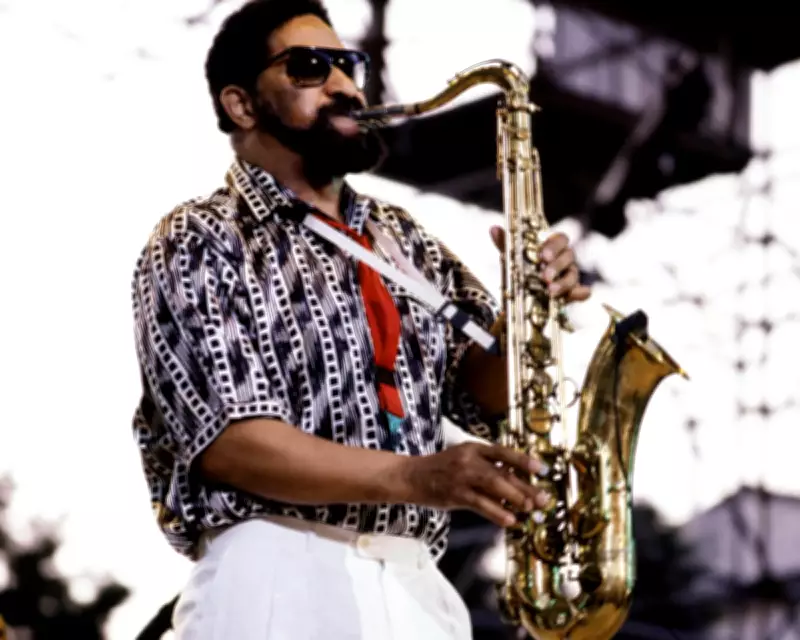
Sonny Rollins, the legendary jazz tenor saxophonist whose improvisational brilliance and innovative style defined modern jazz, has died at the age of 93. His death was confirmed by his family, who said he passed away peacefully at his home in upstate New York.
Early Life and Career
Born Theodore Walter Rollins on September 7, 1930, in New York City, he grew up in Harlem and began playing saxophone as a teenager. He was influenced by Coleman Hawkins and Charlie Parker, and by his early 20s, he was recording with Miles Davis and Thelonious Monk. His breakthrough came with the album Saxophone Colossus (1956), which included his most famous composition, St. Thomas.
Musical Innovations
Rollins was known for his powerful tone, rhythmic inventiveness, and ability to weave complex melodies. He took a sabbatical from 1959 to 1961, practicing on the Williamsburg Bridge, a story that became part of jazz lore. He returned with the album The Bridge (1962), a critical and commercial success.

Later Years and Legacy
Throughout the 1960s and 1970s, Rollins continued to evolve, incorporating elements of R&B, funk, and world music. He won Grammy Awards and received a Kennedy Center Honor in 2010. His influence extended beyond jazz, inspiring musicians across genres.
Rollins is survived by his wife, Lucille, and his daughter. He will be remembered as one of the greatest saxophonists in jazz history, a master of improvisation whose work remains timeless.