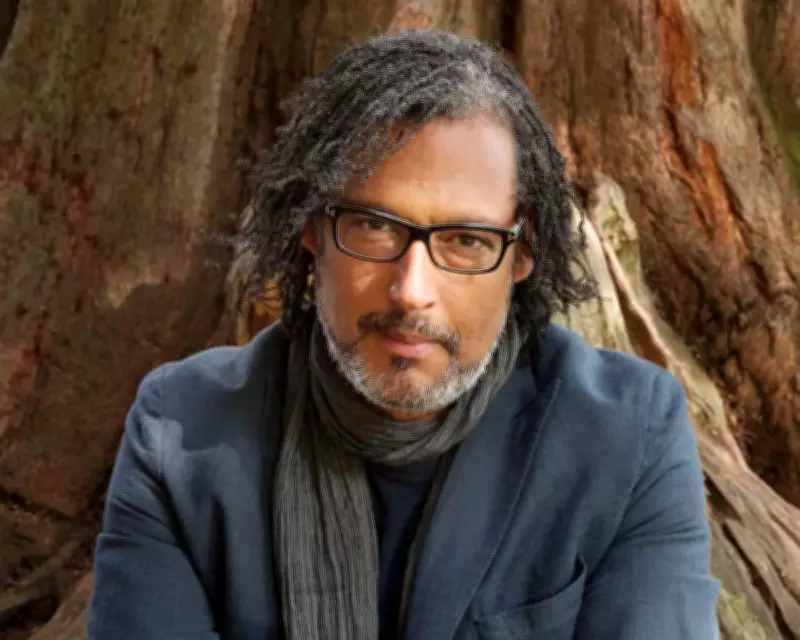
Historian David Olusoga has drawn a striking parallel between the Salem witch trials and the reality television show The Traitors, suggesting that the same psychological mechanisms that led to false accusations in 17th-century Massachusetts are at play when contestants fail to identify the actual traitors among them.
The Psychology of Accusation
In an interview with the Guardian, Olusoga explained that both situations involve a group under stress, seeking to identify a hidden threat. During the Salem witch trials, fear and paranoia led to accusations based on flimsy evidence, often targeting the vulnerable. Similarly, in The Traitors, contestants, known as “faithfuls,” must deduce who among them is a traitor, but they frequently misidentify innocent players while overlooking the real deceivers.
Historical Context
The Salem witch trials of 1692 resulted in the execution of 20 people and the imprisonment of many others. Accusations spread rapidly, driven by social tensions, religious extremism, and personal vendettas. Olusoga notes that the faithfuls in the show exhibit comparable behavior, making snap judgments based on gut feelings or minor behavioral quirks rather than concrete evidence.

Why Faithfuls Fail
Olusoga points to several cognitive biases that explain this failure:
- Confirmation bias: Once a faithful suspects someone, they interpret all subsequent actions as confirming that suspicion.
- Groupthink: Contestants often align with the majority opinion, even if it is wrong.
- Scapegoating: In the absence of clear evidence, players target those who are different or less popular.
These biases mirror those that fueled the witch trials, where accusers were convinced of their righteousness despite a lack of proof.
Lessons for Today
Olusoga believes that understanding this history can help viewers recognize similar patterns in modern life, from political witch hunts to online cancel culture. “The traitors are often the ones who are most charming and convincing, not the ones who fit our stereotypes of evil,” he said. The show, he argues, is a microcosm of how societies can be misled by fear and prejudice.
The full interview with David Olusoga is available in the Guardian’s culture section.