Royal Opera's 'The Turn of the Screw' Delivers Gripping, Water-Logged Ghost Story
The Royal Opera's new production of Benjamin Britten's The Turn of the Screw at the Linbury theatre in London is a masterclass in atmospheric, unsettling storytelling. Directed by Natalie Abrahami with design by Michael Levine, this staging of the classic ghost story opera is both brilliantly creepy and deeply insightful, featuring a first-rate cast that delivers exceptional performances across the board.
An Unsettling Beginning Sets the Tone
The production immediately establishes its eerie atmosphere with an opening scene performed in absolute blackout. As the tenor storyteller delivers the initial facts of the narrative, the audience realizes the singer is moving through darkness, impossible to locate precisely. This clever staging choice creates immediate unease even before the lights rise, setting the stage for the psychological tension that follows throughout the performance.
Water as Central Metaphor and Staging Element
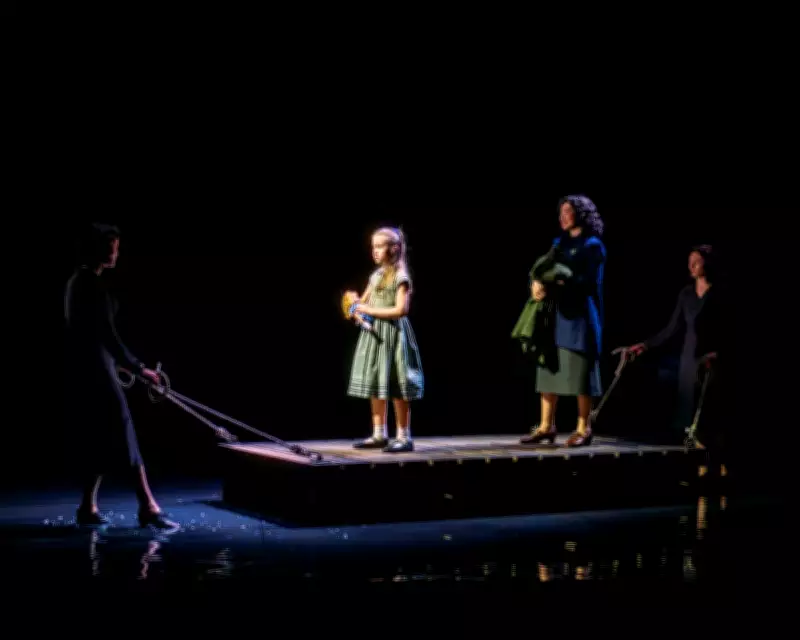
Abrahami and Levine have embraced the water imagery suggested by Myfanwy Piper's libretto, which references WB Yeats' line "the ceremony of innocence is drowned." The production makes water a central element both metaphorically and physically. The set suggests a traditional country house with doors, beds, and the Governess's haunted desk, but beneath this familiar surface lies water that emerges as the floor breaks into smaller platforms.

These platforms are wheeled around by the ghosts themselves and by their silent doppelgangers, creating multiple layers of presence and enabling skillful misdirection of audience attention. The water theme extends to Duncan McLean's video projections, which appear on an invisible screen showing faces from hidden viewpoints, including Flora dangling her doll in the lake and dipping her own face into the water.
Exceptional Performances from Adult and Child Cast
The production features outstanding performances from both adult and child actors. Rising soprano Isabelle Peters delivers an intense portrayal of the Governess, capturing the character's growing desperation as she confronts supernatural forces. Claire Barnett-Jones provides warmth as Mrs Grose, while Elgan Llŷr Thomas creates a persuasive and potentially volatile Peter Quint.
Kate Royal returns to the stage after several years away with a luxuriant performance as Miss Jessel. The child roles are particularly noteworthy, with Phoenix Matthews bringing extraordinary detail and presence to the role of Miles, portraying him as an old soul beyond his years. Eleven-year-old Emilia Blossom Ostroumoff delivers a defiant performance as Flora, a role often given to adult singers playing young.
Musical Excellence and Atmospheric Tension
Conductor Bassem Akiki draws a richly woven performance from the thirteen players in the pit, creating musical tension that complements the visual storytelling. While the water elements occasionally create sploshing sounds that might diminish ghostly silence, these cannot compete with the overall excellence of the musical execution.
The production maintains its gripping tension throughout, only releasing its hold when Akiki and the production team paddle on stage barefoot to take their bows alongside the cast. This final image reinforces the water theme that permeates the entire staging.
A Production That Lingers in Memory
This imaginative production of The Turn of the Screw succeeds on multiple levels: as a faithful interpretation of Britten's opera, as innovative theatrical staging, and as psychological horror that unsettles without resorting to obvious scares. The combination of Abrahami's direction, Levine's design, and the exceptional cast performances creates an experience that remains with audiences long after leaving the theatre.
The Royal Opera's production continues at the Linbury theatre in London until April 6th, offering audiences a chance to experience this gripping interpretation of one of opera's most haunting ghost stories.