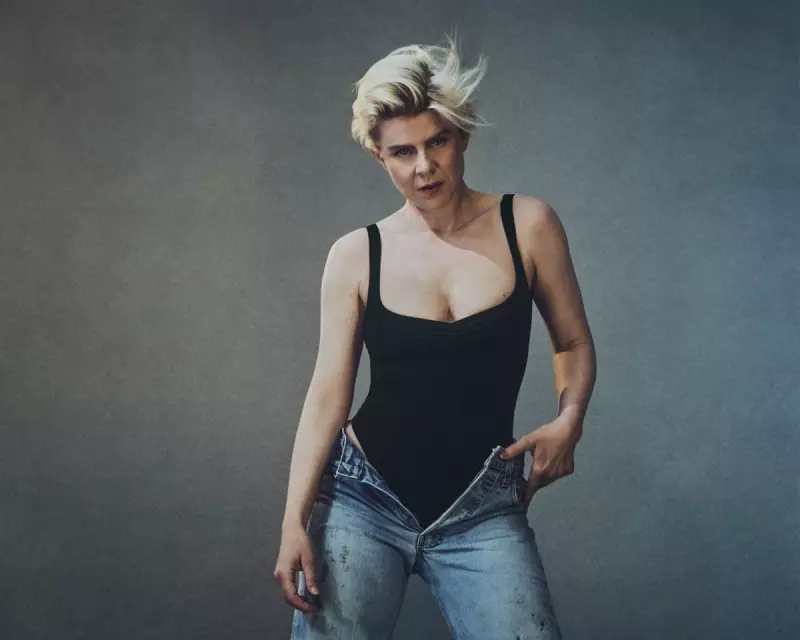
Robyn's Enduring Influence on Modern Pop
At a packed O2 Arena last year, a defining moment in contemporary pop unfolded. Charli XCX, amidst the roaring success of her 'Brat' tour, willingly ceded the spotlight to a special guest: the Swedish singer-songwriter Robyn. This wasn't just another cameo in a string of appearances by collaborators like Lorde and Billie Eilish. Robyn's performance of her timeless 2010 anthem, Dancing on My Own, felt like a powerful testament to her profound and lasting impact on the pop landscape. For an audience that included fans who were toddlers when the song was first released, it sounded not like a nostalgic throwback but a vital, contemporary masterpiece.
An Idiosyncratic Path to Independence
Robyn's clout among today's pop A-list, from Charli XCX to Troye Sivan, is hard-earned. Her career is a blueprint for artistic integrity. Launching as a teen-pop star in the 90s under the wing of super-producer Max Martin, she quickly demonstrated she wouldn't be confined by industry norms. The opening track on her 2010 album, Body Talk, was pointedly titled Don't Fucking Tell Me What to Do—a statement she lived by. She walked away from not one, but two major label deals due to a lack of creative control.
Her commitment to making complex, meaningful pop music was unwavering. Following her worldwide debut success with Robyn Is Here, her US label refused to release her second album, My Truth, outside of Sweden because it contained Giving You Back, a song about an abortion she had in 1998. When asked to remove the track, Robyn stood her ground, prioritising her artistic vision over global commercial reach.

Dopamine: Euphoric Sound Meets Complex Emotion
Now, after a seven-year wait since her reflective 2018 album Honey, Robyn returns with the electrifying new single, Dopamine. The track marks a striking shift towards jubilant, dancefloor-ready energy. Its sound is a heady mix of a relentless four-to-the-floor house beat, chattering synths reminiscent of Giorgio Moroder, robotic vocal effects worthy of Daft Punk, and euphoric bursts of arpeggiated electronics, all culminating in a killer, earworm chorus.
Yet, true to Robyn's form, beneath this neon-hued exterior lies deeper complexity. Lyrically, Dopamine ostensibly explores the initial rush of falling in love, but it's tempered with a stark realism. The giddy enthusiasm is undercut by a hint of desperation in the line, "I just need to know that I'm not alone", and a dose of fatalism. The song creates a fascinating tension between explaining attraction as a mere chemical reaction—an excess of the titular dopamine—and something more spiritual and intangible. It’s a track that never fully declares its hand, leaving the listener to decide whether emotion triumphs over rationality or if a standard pop cliché is being cleverly subverted. It is, in essence, both complicated and messy, and an unequivocal pop banger.
This unique combination makes Dopamine feel perfectly of the moment in 2024, while simultaneously being quintessentially Robyn. At 46, with a career spanning nearly three decades, she continues to resonate more powerfully with the new generation of pop artists than with most of her peers, proving that depth and dancefloor success are not mutually exclusive.