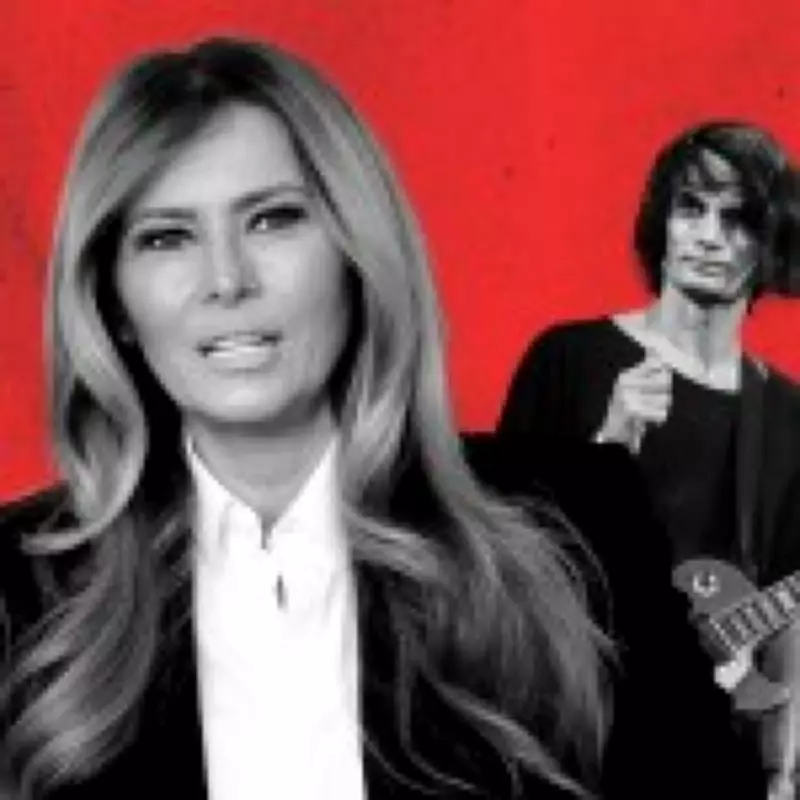
Radiohead Guitarist Challenges Use of Music in Controversial Melania Trump Film
Radiohead's Jonny Greenwood has formally demanded the removal of his music from the controversial documentary about former First Lady Melania Trump, alleging a breach of his composer agreement. The musician, alongside director Paul Thomas Anderson, claims they were not consulted about the use of a segment from the 2017 film Phantom Thread in the Amazon MGM Studios and Universal production.
Legal Dispute Over Phantom Thread Composition
In a joint statement to Variety, Greenwood and Anderson revealed their concerns about the unauthorised use of the composition Barbara Rose, originally created for the period thriller starring Daniel Day-Lewis and Lesley Manville. The statement clearly articulated their position: 'It has come to our attention that a piece of music from Phantom Thread has been used in the Melania documentary.'
While Greenwood does not own the copyright to the soundtrack, his legal representatives emphasised that an agreement regarding future use was established. They stated unequivocally: 'Universal failed to consult Jonny on this third-party use, which is a breach of his composer agreement. As a result, Jonny and Paul Thomas Anderson have asked for it to be removed from the documentary.'

Documentary's Rocky Reception and Political Undertones
The documentary, which chronicles Melania Trump's life during the twenty days preceding her husband Donald Trump's second-term re-election campaign, has generated significant controversy since its release. While the former President enthusiastically endorsed it as a 'MUST WATCH', critical reception has been overwhelmingly negative.
Review aggregator Rotten Tomatoes currently shows a dismal 10% critic score, firmly placing the film in the 'rotten' category. In stark contrast, audience ratings have reached 99% on the platform's popcorn meter, prompting Rotten Tomatoes to issue a statement verifying the authenticity of these viewer reviews through Fandango ticket purchase confirmation.
Greenwood's intervention has inevitably sparked speculation about potential political motivations, though the British musician has maintained public silence regarding Trump or current US government affairs. His action nevertheless represents a significant challenge to the documentary's production team.
Financial Context and Critical Response
The Melania documentary represents one of the most expensive nonfiction film projects in cinematic history, with production costs exceeding expectations:
- Film acquisition costs: $40 million (£29 million)
- Theatrical marketing expenditure: $35 million (£25 million)
Despite this substantial investment, the documentary experienced a 67% box office decline during its second weekend, though this coincided with Super Bowl Sunday—traditionally a slow period for cinema attendance. Initial North American earnings reached approximately $7 million (£5 million), with an additional $2.5 million (£1.8 million) the following weekend.
Critical assessments have been particularly harsh, with Metro's Kimberley Bond describing the film as 'vacuous, empty, and devoid of any emotional heft' after attending a near-empty UK screening. She notably commented that 'even propaganda is usually less dull than this', echoing broader criticisms of the documentary's content and presentation.
Broader Industry Context
Jonny Greenwood has established himself as a respected film composer beyond his work with Radiohead, contributing to acclaimed projects including There Will Be Blood and One Battle After Another. The Phantom Thread soundtrack itself received Oscar recognition, earning nominations for Best Original Score among other categories, while winning for costume design.
This dispute highlights ongoing tensions between artistic control and commercial exploitation in the entertainment industry, particularly regarding composer agreements and third-party usage rights. As the situation develops, both Amazon MGM Studios and Universal have been approached for comment regarding Greenwood's demands and the documentary's future distribution.