A new wave of independent music streaming services is emerging in the UK, promising a fairer deal for artists and a more meaningful experience for listeners disillusioned with algorithmic playlists and corporate models.
The Rise of the Alternatives
This year has seen growing discontent with streaming giant Spotify, highlighted by Liz Pelly's critical book Mood Machine and high-profile departures of indie artists for political and ethical reasons. This climate has created fertile ground for nimble, open-minded platforms such as Nina Protocol, Cantilever, and Subvert to gain traction.
Mike Pollard, Chief Executive of Nina Protocol, confirms the trend, stating, "More people are definitely looking for alternatives. We strongly believe the future of music is independent." This sentiment was echoed at a recent California music forum provocatively titled 'Death to Spotify'.

A Diverse Ecosystem of New Platforms
Each new service offers a distinct approach. Nina Protocol operates on an open public network, allowing artists to set their own terms and keep 100% of download revenue. The collectively owned Subvert positions itself as an alternative to Bandcamp for buying and selling music files.
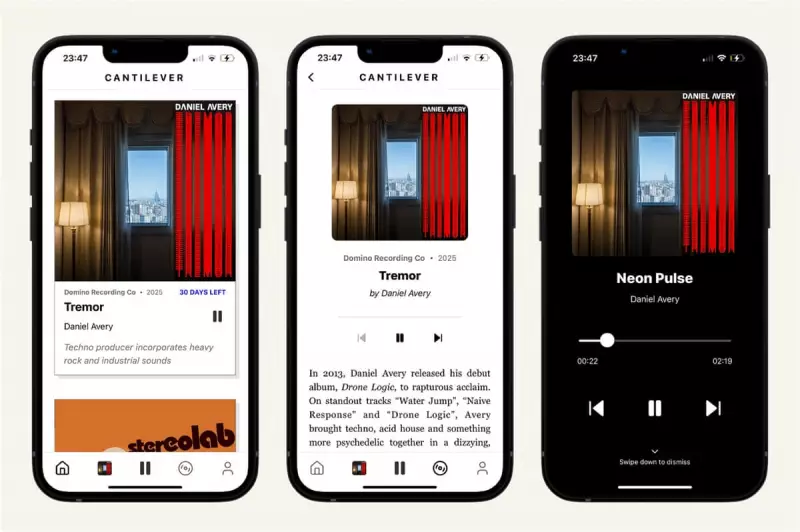
Launched just last week in the UK, Cantilever takes inspiration from curated film services like Mubi. It features a limited, rotating selection of albums—currently 10, but expanding to 30. Founder Aaron Skates, a former record label worker and music writer, describes it as "like a music magazine you can listen to," combining deep-dive editorial with focused listening.
Skates has secured partnerships with an impressive roster of independent labels, including Warp, Ninja Tune, Domino, and Beggars Group labels like Rough Trade, 4AD, and Matador.
Fair Pay and Intentional Listening
A core mission uniting these platforms is ensuring more money reaches artists. "The pool is far less diluted," explains Skates. "We're paying out a maximum of 30 artists for all subscriber revenue, versus the 100 million tracks on Spotify."
Cantilever also uses a user-centric payment model, meaning subscription fees only fund the music each user actually listens to. Skates provides a compelling example: with 10,000 subscribers paying £4.99 monthly, each album on the service could earn £2,000-3,000—a sum he equates to roughly a million Spotify streams.
Simon Wheeler, Director of Commercial Strategy at Beggars Group, sees this as a response to the "complete commoditisation of music" rather than a direct revolt. He doesn't view these startups as major competition for giants like Spotify or Apple Music, but rather as services offering something different.
Pollard of Nina Protocol, however, envisions a more profound shift. "I can see a world where Spotify doesn't exist in the future," he says, pointing to a growing cultural awareness and desire for more intentional consumption, similar to users leaving platforms like X (formerly Twitter).
Despite Spotify reporting an additional five million paying subscribers recently, interest in these independent alternatives is surging. Both Nina Protocol and the newly launched Cantilever report inbound interest and listener numbers that have surpassed expectations, suggesting a potential sea change in how we value and experience music culture online.