Morrissey's London Return: Musical Brilliance Overshadowed by Political Discord
At a completely sold-out O2 Arena in London, Morrissey presented a performance that created a jarring contrast between musical nostalgia and contemporary political controversy. The former Smiths frontman demonstrated his enduring vocal power while simultaneously embracing rhetoric that alienated many longtime fans.
A Night of Musical Contrasts
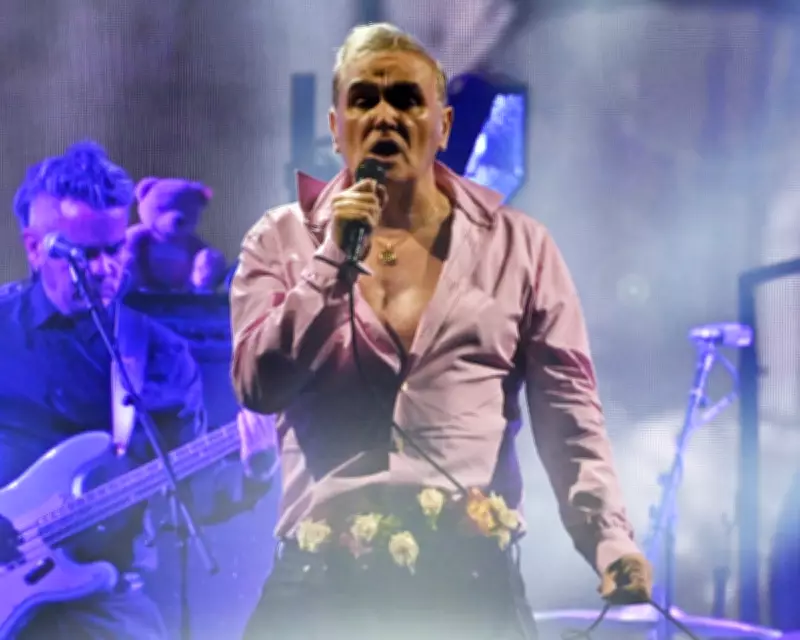
Dressed in his signature pink shirt, Morrissey opened the evening with Suedehead, immediately transporting the audience back to the 1990s with the crowd roaring along to every word. The musical portion of the evening featured several Smiths classics that seemed to exist in an entirely different universe from the between-song commentary.
The Smiths songs provided genuine emotional moments, with A Rush and a Push and the Land Is Ours taking on psychedelic grandeur and I Know It's Over accompanied by poignant images of Morrissey's late mother. The evening closed with an encore of There Is a Light That Never Goes Out, offering a nostalgic burst of the exquisite agony and ecstasy that originally made Morrissey famous.

Political Rhetoric Dominates Between Songs
Between musical numbers, Morrissey embarked on what can only be described as a tour-de-force of controversial commentary. He moved seamlessly from self-promotion to attacking what he called "jealous bitches" and his perennial target: cancel culture. Despite claiming to have been deplatformed, he stood before 20,000 fans delivering his unfiltered views.
The political messaging reached its most troubling point during his performance of recent single Notre-Dame. The synth-pop lament appeared to reference debunked conspiracy theories about the 2019 fire at Paris's Notre-Dame Cathedral, with lyrics suggesting "We know who tried to kill you" and referencing investigations being dismissed prematurely.
Nationalist Themes and Cognitive Dissonance
Morrissey further developed his political narrative by declaring concern "about the safety of all communities, but the one that's at risk now is my own." This statement preceded a performance of Irish Blood, English Heart presented with dramatic red lighting that created an infernal, stomach-turning spectacle.
The cognitive disconnect became most apparent when comparing the ambiguous nationalism of his older material with his current proto-Reform party political alignment. What once might have been interpreted as poetic ambiguity now appeared as unmasked political positioning.
Medical References and Exhausting Whiplash
Throughout the evening, Morrissey made repeated references to morphine use, joking that his performance would improve as his medication kicked in and later warning that he needed to leave to take more morphine "or else I die." These comments created an unsettling backdrop to the musical performance.
The emotional whiplash between political lows and musical highs proved exhausting for the audience. Even what should have been triumphant moments, like a massive rendition of How Soon Is Now? that left Morrissey collapsed beside the drum kit, felt drained of their potential impact by the surrounding controversy.
When the lights finally went out at the O2 Arena, Morrissey strode off stage having presented two distinct personas: the brilliant musician capable of delivering Smiths classics with emotional power, and the political provocateur embracing rhetoric that many find deeply troubling. The evening left audiences grappling with how to reconcile these two aspects of an artist who continues to provoke strong reactions decades into his career.