The Metropolitan Opera in New York has unveiled a series of substantial cost-cutting measures, including staff layoffs, executive pay reductions, and programming cuts, as the prestigious institution contends with ongoing financial pressures.
Financial Strain and Executive Pay Cuts
The organisation has confirmed that it is implementing salary reductions ranging from 4% to 15% for 35 executives who earn more than $150,000 annually. This group includes the Met Opera's general manager, Peter Gelb, whose reported earnings for 2024 were approximately $1.4 million. Additionally, music director Yannick Nézet-Séguin, who received $2.05 million in the most recently disclosed fiscal year, is among the senior figures affected by these temporary pay cuts.
Staff Reductions and Programming Changes
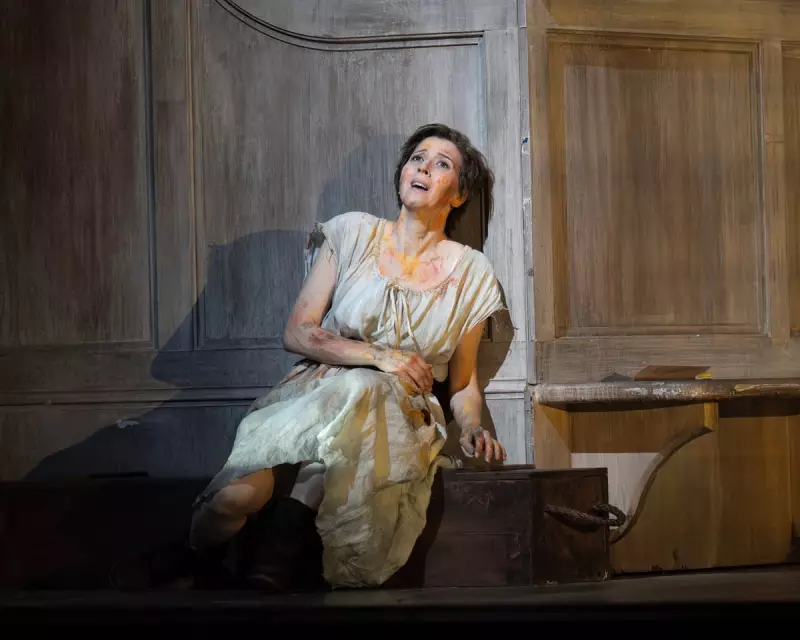
Alongside the salary adjustments, the Met Opera is proceeding with 22 layoffs within its administrative staff of 284 employees. The company is also scaling back its artistic offerings, with the upcoming season being reduced from 18 productions to 17. Notably, a planned staging of Mussorgsky's 19th-century Russian opera, Khovanshchina, has been postponed indefinitely.
A spokesperson for the Met Opera stated to the Guardian that these measures are expected to reduce expenses by $15 million for the remaining six months of the current fiscal year, with an additional $25 million in savings projected for the following fiscal year. The spokesperson emphasised that these cuts are necessary while the organisation awaits the finalisation of its pending agreement with Saudi Arabia and the implementation of other revenue-generating initiatives.
Uncertainty Surrounding Saudi Arabia Deal
The financial restructuring follows a tentative agreement reached last September between the Met Opera and Saudi Arabia, valued at approximately $200 million. This deal would involve the company performing each winter for five years at the Royal Diriyah Opera House near Riyadh, in exchange for Saudi subsidies. The Met Opera operates with an annual budget of around $330 million, making this potential partnership a significant financial opportunity.
However, Peter Gelb has indicated that delays and uncertainty regarding the Saudi agreement have contributed to the need for immediate cost-cutting measures. While expressing confidence that the deal will proceed, Gelb acknowledged the prolonged waiting period, stating, "I've been assured that it's going to go forward. But we have been waiting for some time."
Additional Revenue-Generating Strategies
In response to the financial challenges, Gelb has proposed several other strategies to bolster the Met Opera's revenue streams. These include the potential sale of naming rights for the theatre and the possible sale of its two Marc Chagall murals, which are collectively valued at $55 million. Any sale of the murals would require the artworks to remain in place at the organisation's city venue.
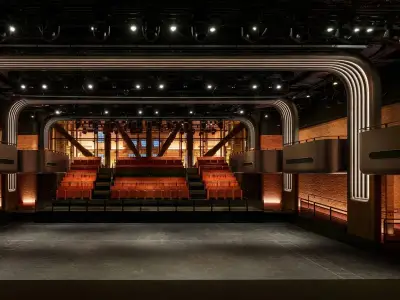
Furthermore, the opera company is considering renting out its auditorium to pop artists on nights when it is not hosting its own programmes, as part of efforts to maximise the use of its facilities and generate additional income.
The Met Opera spokesperson reiterated the institution's commitment to maintaining its high artistic standards while ensuring financial sustainability for both the present and future. The organisation continues to navigate the lingering effects of the Covid-19 pandemic, which severely impacted performing arts shows across the United States and internationally, contributing to the current financial strain.