Japanese Guitar Legend Masayoshi Takanaka's Remarkable Second Wave at 72
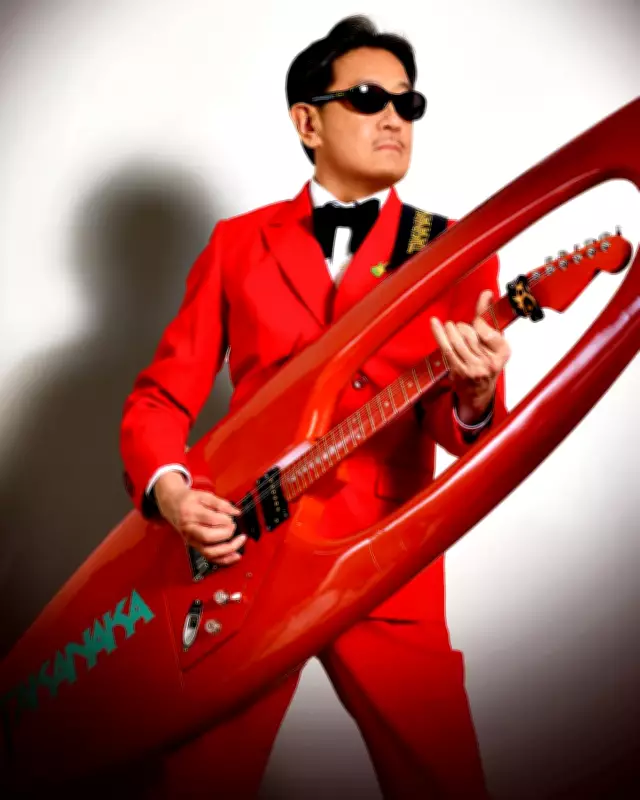
In a stunning career revival, Japanese jazz fusion virtuoso Masayoshi Takanaka is experiencing what he calls his "second coming" at age 72. The guitarist, famous for his surfboard-shaped axe and infectious positivity, has seen a dramatic global resurgence through digital platforms, leading to his first-ever UK solo performances and a sold-out world tour.
From Japanese Stadiums to Global Recognition
Born in Tokyo in 1953, Takanaka discovered the guitar in middle school, drawing inspiration from western artists including Cream, the Beatles, and Ten Years After. His early career saw him hanging out in Shibuya jazz clubs while still in school uniform, eventually joining Sadistic Mika Band in 1972. This group made history as the first Japanese rock band to tour the UK when they supported Roxy Music in arenas.
"They were already rock stars, so they had a limousine," Takanaka recalls of that era. "We were driving a Rover."

Despite appearing on BBC's Old Grey Whistle Test and receiving praise from guitar legend Jeff Beck, Takanaka's UK connection ended when vocalist Mika Kato chose not to return to Japan with the band. "I've not been back to the UK for 50 years," Takanaka reveals.
A Solo Career That Defined Japanese Fusion
While the UK missed his subsequent solo career, Takanaka became a guitar hero in Japan with a string of successful albums:
- His 1976 debut Seychelles helped pioneer Japan's rock fusion scene
- 1978's Brasilian Skies, recorded in Rio de Janeiro and Los Angeles, featured Ryuichi Sakamoto and members of Toto
- The 1979 instrumental Blue Lagoon became a hit single in Japan
- 1982's Saudade reached number one on Japan's album charts
His collaborations expanded to include performances with Santana at Yokohama baseball stadium, plus work with Tina Turner and Little Richard. "Eventually, I bought a condominium and a cruiser in the Bahamas," Takanaka says of his success. "I have a huge affinity towards tropical islands and the summer."
The Digital Revival That Changed Everything
The unexpected catalyst for Takanaka's global resurgence came through YouTube's algorithm, which began recommending Japanese jazz and pop from the 70s and 80s to western listeners. An anonymous fan created the Instagram page Takanaka Vibes in 2023, which now boasts 122,000 followers.
"The aesthetic was really cool; he's a playful character and that really shines through in his performances," says the page's founder, who discovered Takanaka through a 1981 Budokan performance where the band wore goblin masks.
In 2019, Light in the Attic Records licensed Takanaka's 1979 track Bamboo Vender for their Pacific Breeze compilation of Japanese "city pop." Label representative Greg Gouty believes the revival reflects Japan's optimistic spirit during its economic boom period.
"It was a time when Japan was a kind of dreamland, where everybody's got work and money," Gouty explains. "You can feel it reflected in the music being produced at the time."
A New Generation of Fans
The digital exposure translated to real-world success. Last year, Takanaka performed in Los Angeles for the first time in nearly 40 years, following his appearance on the soundtrack to Dwayne Johnson's The Smashing Machine.
"In Japan, most of the people at my shows are in their 50s, 60s or 70s," Takanaka observes. "But in LA, most people were in their 20s. You could really feel their energy, and hear the audience cheering so loud. It got me really emotional."
The World Tour and Signature Guitar
Takanaka's current world tour includes the UK, US, Australia, and New Zealand, with almost all dates sold out. Originally scheduled for London's Shepherd's Bush Empire, his UK debut was upgraded to two nights at Brixton Academy due to overwhelming demand, with nearly 10,000 people expected in March. He'll also headline the City Pop Waves festival at Crystal Palace Bowl in August.

Fans can expect a setlist spanning his 50-year career, including his signature red surfboard guitar, which he nearly gave away. "I thought I didn't need it any more," Takanaka admits. "But life is short, and you have to do what you really want to do while you're still alive – that was why I made the guitar in the first place."
Reflecting on his unexpected revival, Takanaka says, "I was actually planning to fade out [my career]. But now I feel like this might be my second coming. My life has changed so much in the last few years. It's hard to grasp and understand. It doesn't feel real."