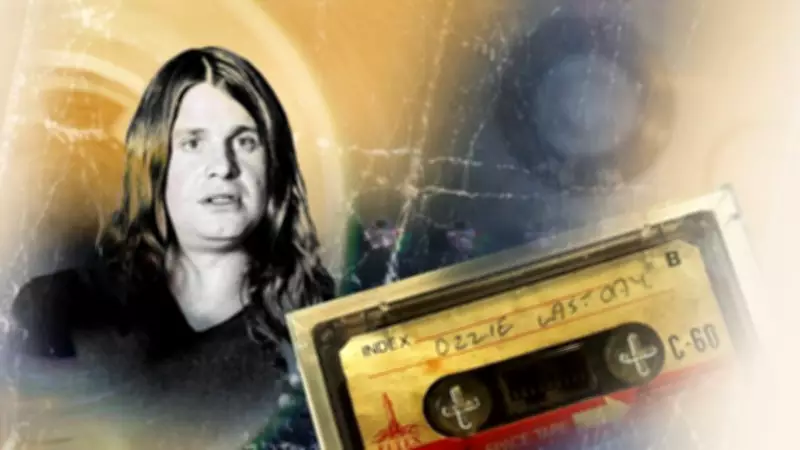
In a small recording studio nestled in the Suffolk countryside, the atmosphere is thick with anticipation. A yellowed and slightly frayed cassette sticker, clearly marked "Ozzie Last Day," has survived over four decades, and it is about to be played for the first time in years. This moment holds the promise of hearing the voice of the late heavy metal legend, Ozzy Osbourne, on a recording forgotten in an attic until his passing brought it back to light.
A Flicker of Hope Amidst Disappointment
As the tape begins to spin, the initial sounds are disheartening—the unmistakable organ intro of Lynyrd Skynyrd's Free Bird blares out, suggesting the tape might have been recorded over or never held anything significant. But then, a pause. A guitar riff cuts through, followed by faint yet instantly recognisable vocals. "That's Ozzy!" exclaims one of the four people in the room. This is not the discovery of a lost master tape with new music; rather, it is a unique window into a critical juncture in Osbourne's life and career, marking the beginning of his remarkable second act.
The Make-or-Break Year of 1979
By the summer of 1979, Ozzy Osbourne found himself at a low point, describing himself as "unemployed and unemployable." After being fired from Black Sabbath, the pioneering heavy metal band he had fronted since its formation in Birmingham, he believed his music career was over. He retreated to a hotel in West Hollywood, indulging in one last binge before facing reality, and didn't see daylight for months. However, with the support of Sharon Arden, who would later become his wife and manager, he began to rebuild his life.

Fans know the story that followed: Osbourne teamed up with guitarist Randy Rhoads, bassist Bob Daisley, and drummer Lee Kerslake. This new ensemble spent time rehearsing in Ilketshall, Suffolk, in January 1980—a period less documented than their later sessions at Rockfield Studios in Wales and Ridge Farm Studios in Surrey, where they recorded the iconic debut album Blizzard of Ozz.
The Discovery of the Cassette Tape
Three days after Ozzy Osbourne's death, an email arrived from David Jolly, known as Chabby, who shared memories of a brief friendship during those pivotal rehearsals. He recalled Osbourne as an unassuming guy, contrary to his wild public image, and mentioned having a cassette tape from the last day of rehearsals. Lost recordings like this are tantalising finds in the music world, often holding unreleased tracks or demos from an era before digital technology minimised such risks.
Chabby had stored the tape away and forgotten about it until Osbourne's passing prompted him to search his attic, where he found it in a briefcase. Nervous about damaging it, he sought help to play it in a professional studio. The tape revealed about 12 minutes of a bluesy rock jam session, with clear guitar work from Randy Rhoads and Ozzy's distinctive, though faint, vocals. It captured a moment of creativity and camaraderie, with Osbourne crooning lines like "I've been awa-ay" and "My baby left me-ee."
Memories from the Band and Experts
Bob Daisley, the sole surviving member of the original Blizzard of Ozz lineup, listened to the recording over the phone and confirmed it was indeed them. He recalled the time in Ilketshall as a nice period in the countryside, with fun moments like Ozzy drawing a black eye on himself with eyeliner after a minor altercation with locals. Daisley emphasised the magic of that time, saying it felt destined, despite warnings about Osbourne's reputation.
Music historians highlight the tape's significance. Jez Collins of the Birmingham Music Archive described it as an incredible artefact that captures a crucial moment when Osbourne recaptured his creative flame after being fired from Black Sabbath. Anthony Crutch from Birmingham Museums Trust noted its rarity, as it offers a glimpse into a secretive period when Osbourne's solo success was uncertain, and it includes hints of his Black Sabbath roots, such as vocalising the intro to Sabbra Cadabra.

A Personal Connection and Lasting Legacy
For Chabby, the tape is a poignant reminder of a fun, fleeting friendship. He remembers Osbourne as a naturally funny person who enjoyed local pubs but was milder than his public persona suggested. The emotional weight of rediscovering this piece of rock history after decades is profound, symbolising the start of Osbourne's revival from the brink.
This lost tape may not contain hit songs, but it enriches our understanding of Ozzy Osbourne's journey. It underscores the resilience and creativity that propelled him from a low point to becoming a solo superstar, selling millions of records and cementing his legacy in music history.