The Ozzy Osbourne Rehearsal Tape That Sat Unplayed for Decades
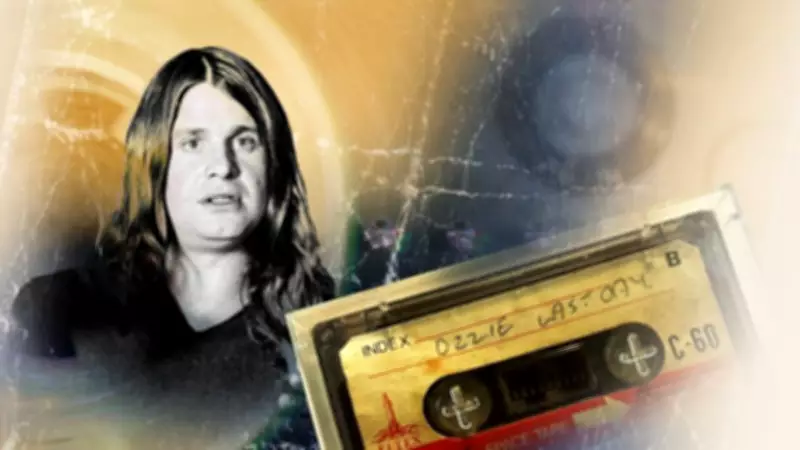
A remarkable piece of rock history has emerged from a Suffolk attic, more than four decades after it was first recorded. A yellowed, slightly frayed cassette tape labeled "Ozzie Last Day" has been discovered, capturing a pivotal moment in Ozzy Osbourne's career revival following his dismissal from Black Sabbath.
A Critical Juncture in a Rock Legend's Career
In the summer of 1979, Ozzy Osbourne found himself at what he described as rock bottom. Freshly fired from the heavy metal pioneers Black Sabbath, the Birmingham-born singer believed his music career was effectively over. He retreated to a West Hollywood hotel, where he spent months in seclusion, convinced his time in the spotlight had ended.
The turning point came when Sharon Arden, daughter of Sabbath's manager and Ozzy's future wife, offered to manage him. This led to the formation of a new musical partnership that would redefine his career. Ozzy was introduced to guitarist Randy Rhoads, a classically trained musician eight years his junior, and Australian bassist Bob Daisley, formerly of bands including Rainbow and Chicken Shack.

The Suffolk Rehearsals That History Nearly Forgot
While Ozzy's time at Rockfield Studios in Wales and Ridge Farm Studios in Surrey has been well documented, the weeks spent rehearsing in Ilketshall, Suffolk, during January 1980 remained largely overlooked. It was during these sessions that the newly formed band began crafting what would become the groundbreaking Blizzard of Ozz album.
The recently discovered tape originates from this exact period. David Jolly, known as Chabby, who befriended Ozzy during the Suffolk rehearsals, received the cassette from the singer himself. For 45 years, it remained untouched in a briefcase in his attic, forgotten until news of Ozzy's death prompted him to search for this tangible memory of their brief friendship.
Playing the Tape for the First Time in Decades
When the cassette was finally played in a Suffolk recording studio recently, the atmosphere was thick with anticipation. The initial moments proved disappointing, with Lynyrd Skynyrd's "Free Bird" blasting from the speakers, suggesting the tape might have been recorded over.
Then came the breakthrough. A guitar riff kicked in, followed by faint but unmistakable vocals. "That's Ozzy!" exclaimed those present. The recording captured approximately twelve minutes of bluesy jam sessions, with Ozzy's distinctive voice occasionally breaking through the mix.
Bob Daisley, the sole surviving member of that original lineup, confirmed the authenticity upon hearing the recording. "As soon as I heard it, I thought, yes, that's us, that's Ozzy's voice," he stated, though noting the jamming didn't represent songs they were formally developing at the time.
A Different Side to the Prince of Darkness
Chabby's recollections paint a contrasting picture to Ozzy's public persona. He describes the singer as "a very unassuming guy" who enjoyed visiting local pubs but seemed milder than his wild reputation suggested. He even joked that Ozzy reminded him more of Coronation Street character Ken Barlow than the Prince of Darkness.
Daisley echoed these sentiments, recalling a period filled with laughter despite Ozzy's personal difficulties. "Being kicked out of Black Sabbath, it felt like a divorce to him," Daisley reflected, noting that there was nevertheless "a magic" among the new group of musicians.
Historical Significance Beyond Musical Content
Music historians emphasize that the tape's value lies not in unreleased master recordings, but in what it represents. Jez Collins of the Birmingham Music Archive describes it as "an incredible artefact" that captures a crucial transitional moment in rock history.
"It's that moment where he recaptures the flame," Collins explains, highlighting how those first two solo albums revitalized Ozzy's career. The recording also preserves early interactions between Ozzy and Randy Rhoads, whose partnership, though tragically short-lived, produced some of heavy metal's most enduring work.

Anthony Crutch of Birmingham Museums Trust notes the tape captures Ozzy during a relatively undocumented period. "Nobody knew at that time whether the Ozzy solo career was going to be successful," he observes, pointing out that the recording includes what sounds like a vocal reference to the Black Sabbath track "Sabbra Cadabra."
A Personal Connection to Rock History
For Chabby, the tape represents more than historical significance. "When you're that age, I took it for granted," he reflects about his time with Ozzy. "I just saw him as a friend." Finding this physical connection to that period has been emotionally resonant, serving as a reminder of the human connections behind legendary careers.
The discovery offers a unique auditory snapshot of the beginning of Ozzy Osbourne's remarkable second act. From the depths of professional despair in 1979 to the creation of a solo legacy that would eclipse even his Sabbath achievements, this attic-found cassette provides a rare, intimate glimpse into the revival that brought a rock icon back from the brink.