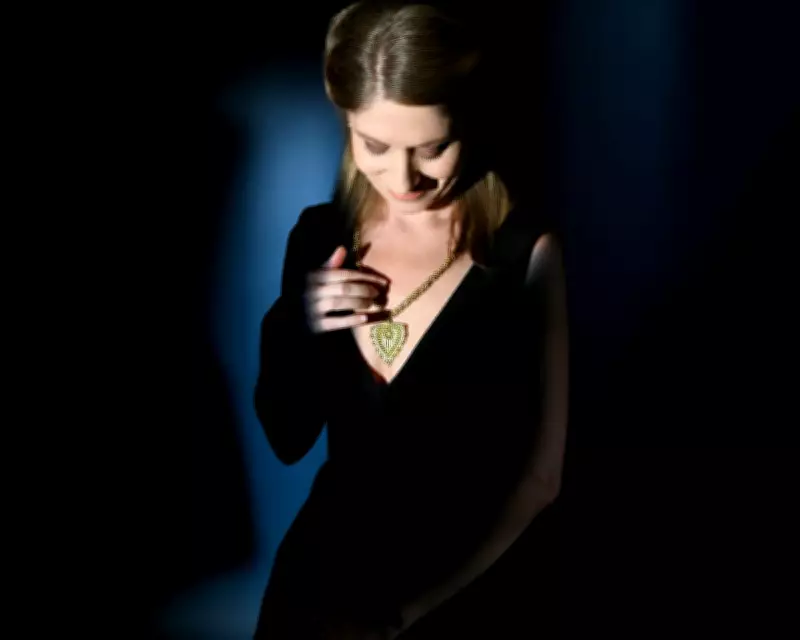
In a captivating new recording, soprano Laura Catrani brings to life the revolutionary music of 17th-century Venetian composer Barbara Strozzi. The album, titled Virtuosissima Sirena, presents a sumptuous and elegant account of Strozzi's vocal works, performed with remarkable warmth, clarity, and persuasive expressive freedom.
A True Venetian Revolutionary
Barbara Strozzi stands as a true revolutionary figure of the 17th century. As the adopted and possibly natural daughter of poet and librettist Giulio Strozzi, she was immersed in the vibrant intellectual circles of Venice from a young age. By 15, she was actively participating in debates, and her prolific output of 120 published works for solo voice remains unmatched by any of her contemporaries. Remarkably, Strozzi managed to support four children solely through her musical income, despite never marrying. Her compositional quality is often compared to that of Monteverdi, highlighting her significant artistic legacy.
Musical Content and Performance
The album Virtuosissima Sirena features a selection of cantatas and arias by Strozzi, interspersed with effervescent trio sonatas by composers Legrenzi and Castello. The Accademia dell'Annunciata provides the instrumental accompaniment, with a lineup that includes two violins, cello, theorbo, double harp, and harpsichord. This ensemble lends the music a shimmering sweetness that, while perhaps more sumptuous than Strozzi might have anticipated, creates an enchanting listening experience.

Strozzi's musical language is rich with madrigalian effects, using dissonant intervals to express pain and measured rests to convey sighs and tears. Laura Catrani's emotive and unfussy soprano shines throughout the recording. In L'Amante Segreto (The Secret Lover), she delivers a bittersweet lament over a drooping ground bass, while in Costume de Grande (Customs of the Great), she brings liveliness to Strozzi's setting of her father's poetic critique of high society.
Artistic Direction and Impact
Under the direction of Riccardo Doni, the music is allowed to breathe and speak with natural fluency. This approach enhances the emotional depth and historical authenticity of the performances. The album not only showcases Catrani's vocal prowess but also reaffirms Barbara Strozzi's status as a pioneering figure in classical music, whose works continue to resonate with modern audiences.