British singer Joy Crookes has issued a stark warning about what she describes as 'dark times' for the UK and Ireland, pointing to the alarming rise of far-right politics and nationalist movements.
Personal Encounters with Nationalism
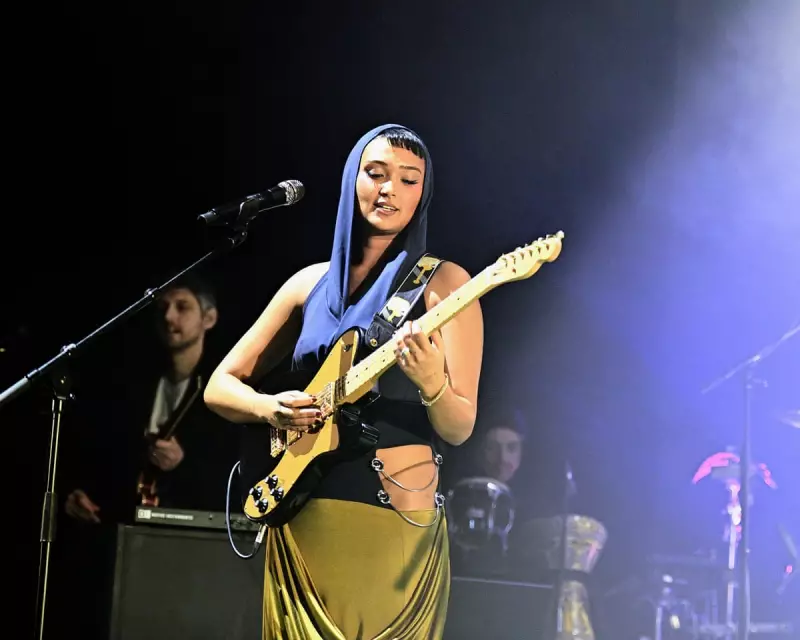
The musician, who recently performed two sold-out shows at Brixton's O2 Academy as part of her Juniper tour, revealed that recent experiences with nationalist displays have left her feeling unsafe in her own country. 'I'm not blind to the political landscape we're living in right now,' said Crookes, who comes from immigrant heritage with Irish and Bangladeshi roots.
She described encountering numerous St George's flags during a shopping trip to central London, noting that the sight 'doesn't make me feel safe.' The concern deepened during filming for her debut acting role in Luton, when the predominantly black and brown cast and crew grew worried about potential safety issues amid rumours of a Tommy Robinson rally in the town.

Historical Comparisons and Current Fears
When asked if the current political climate compares to the 1970s era of National Front marches through immigrant communities, Crookes didn't hesitate. 'In my opinion it's completely comparable. It's terrifying... I am really, really concerned,' she stated emphatically.
The singer's concerns were further validated during a visit to Dublin, where she observed Irish tricolour flags being used as symbols of an anti-immigrant nationalist movement. 'I realised at that moment that this is an issue that's happening in the west and it's becoming more and more rife because of fascism and the rise of the right,' she explained.
Musical Protest and Solidarity
Crookes turned to music as a form of protest, performing a powerful cover of Sinéad O'Connor's anti-racism anthem 'Black Boys on Mopeds' during her Brixton concerts. The performance quickly went viral after clips surfaced online.
The song, originally written by O'Connor following the deaths of Nicholas Bramble and Colin Roach in police-related incidents, critiques police violence and political hypocrisy. Crookes introduced the song on stage with a poignant observation: 'I don't want to sing this song, but 35 years ago, Sinead wrote this and it's still relevant and I feel like it's probably necessary.'
Following an emotional reception in Dublin, Crookes' team encouraged her to include the song throughout her tour, recognising its relevance across the UK. She sees the performance as both a call for solidarity and a challenge to fellow musicians to use their platforms more courageously.
'Maybe I'm singing that song as a small nod to my community to say we also have to take some responsibility and speak out,' Crookes reflected. She noted that while many artists are willing to discuss international issues like Palestine, addressing racism directly remains 'a bit scary' for some.
The singer's outspoken comments come amid increasing concern about far-right influence in mainstream politics, with recent marches through London highlighting the growing visibility of nationalist movements in Britain.