Steven Soderbergh, fresh off his superb feature The Christophers, has now delivered a surprisingly moderate documentary dominated by uninteresting and frankly pointless artificial intelligence. The film centers on the inadvertently poignant final interview given by John Lennon and Yoko Ono on December 8, 1980, in New York's Dakota apartment building, just hours before Lennon's murder.
A Fateful Encounter
The interviewers—Dave Sholin, Laurie Kaye, and Ron Hummel from San Francisco's KFRC radio station—recorded the conversation on tape. As they left the building, they were accosted by a creepy stalker-fan. In an attempt to calm him, Kaye gave him a brand-new copy of John and Yoko's album Double Fantasy. This sinister man was Lennon's future murderer, who later got Lennon to sign an album—perhaps the very same one—before shooting him dead. The film avoids emphasizing the macabre context, preferring a positive focus, but the unacknowledged irony flavors what we see and hear: a fundamentally happy, hopeful man looking forward to a future overshadowed by a dark shadow.
AI-Generated Mediocrity
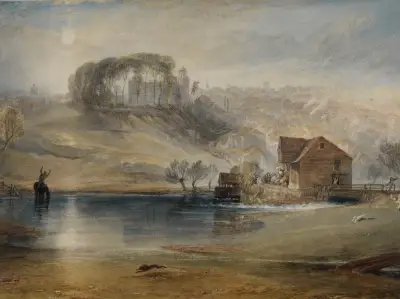
The documentary's selling point apparently resides in blandly generic and very mediocre AI images and sequences repeatedly generated over Lennon's remarks about peace, love, music, conformism, and the remnants of counterculture as the 1980s dawned. The results are second-rate—like knockoff animated Hipgnosis album covers or Woolworths art. Rumors had circulated that Soderbergh would use AI to dramatize John and Yoko talking to match the audio. However controversial that might have been, it would have been more interesting than what has materialized.

As it stands, the film replays the lengthy and vehement conversation with John (with hardly any Yoko—a relative absence not noticed here) interspersed with conventional still photos and archive footage, alongside those heartsinkingly literal AI clips. At one stage, Yoko warns that one day we may all “finally be replaced by computers,” and it is unclear how intentional the irony is supposed to be.
A Crowded Field of Lennon Docs
There have been several Lennon documentaries recently, including Kevin Macdonald's One to One: John & Yoko, Alan G. Parker's Borrowed Time about John and Yoko's American life in the 1970s, Eve Brandstein's The Lost Weekend: A Love Story about Lennon's affair with his assistant May Pang, and Power to the People about their charity concert at Madison Square Garden. Soderbergh's film has a specific interview as its premise, but apart from the reminiscences of the interviewers, it offers no substantial perspective or commentary beyond what Lennon and occasionally Ono provide.
There is archival interest and historic drama in Lennon's words—especially his generous, open-minded comments about newer bands like the B-52s and the Clash. But overall, this is a disappointment. John Lennon: The Last Interview screened at the Cannes film festival.