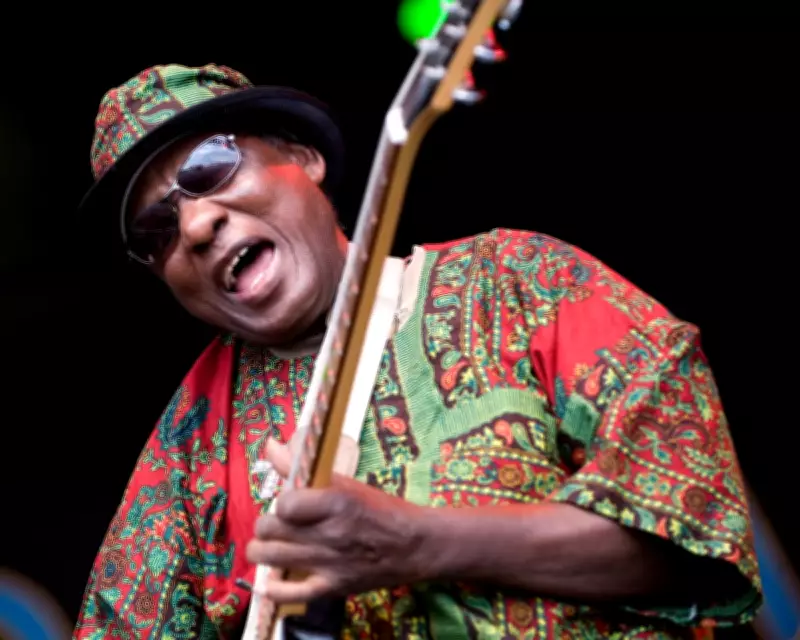
The world of music mourns the loss of a true pioneer, as Ebo Taylor, the legendary Ghanaian guitarist, composer, and arranger, has died at the age of 95. His passing marks the end of an era for African music, where his innovative work left an indelible mark on genres like highlife and Afrobeat.
A Musical Journey from Ghana to Global Recognition
Born in 1931 in Ghana, Ebo Taylor began his musical career in the 1950s, quickly rising to prominence as a key figure in the highlife scene. Highlife, a genre blending traditional African rhythms with Western influences, became his canvas for creativity. Taylor's unique style incorporated elements of jazz, funk, and soul, which he masterfully fused with Ghanaian musical traditions.
Collaborations and Influence on Afrobeat
Throughout his career, Ebo Taylor collaborated with other African music giants, including Fela Kuti, helping to shape the Afrobeat movement. His work as a composer and arranger was instrumental in defining the sound that would influence generations of musicians across the continent and beyond. Albums like "Love and Death" and "Appia Kwa Bridge" showcased his ability to blend social commentary with infectious rhythms.

Legacy and Impact on Modern Music
Ebo Taylor's influence extends far beyond his lifetime. His music has been sampled by contemporary artists and celebrated in reissues, introducing his sound to new audiences worldwide. He was not only a performer but also a mentor and inspiration to many in the Ghanaian music industry, advocating for the preservation and evolution of African musical heritage.
In his later years, Taylor continued to perform and record, receiving accolades for his contributions to music. His death is a significant loss to the cultural landscape, but his legacy lives on through his recordings and the countless artists he inspired. The global music community remembers him as a visionary who bridged cultures and genres with unparalleled artistry.