Uninspiring Visual Collage in Fuck the Polis
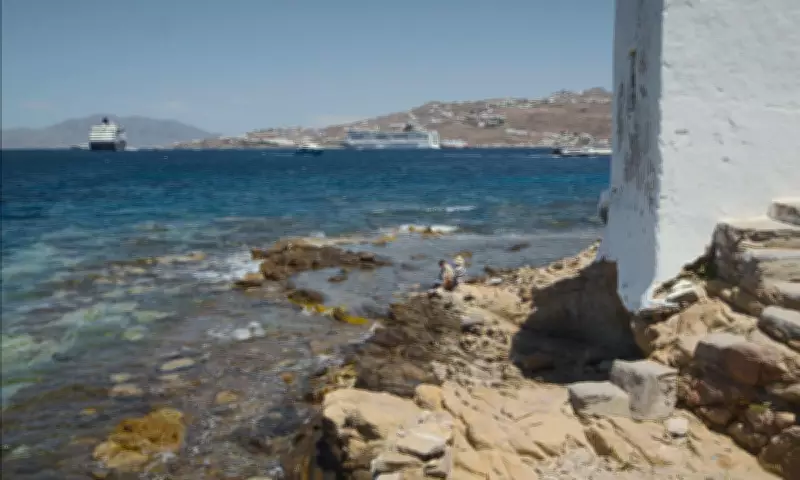
A still from Fuck the Polis shows a cryptic image that reflects the film's overall tone. This docu-essay by Rita Azevedo Gomes attempts to study Greek myth vis-à-vis modernity, but its visual collages and dense poetic texts render it inert.
A Sphinxlike Study of Greece
The title of this lyrical but frustrating film cuts both ways. Is it expressing impatience with classical ideals, or critiquing modern society that has betrayed ancient standards? The texts recited over travelogue images from Athens and the Cyclades vie for supremacy between nostalgic aspirations and sobering reality.
Gomes adds fictionalisation, reading a poem by João Miguel Fernandes Jorge about a journey in 2007, which becomes the story of Irma and Ion on Delos. But the affair founders, and reality checks include Chinese cargo ships in the 21st-century Aegean.

The tension between myth and modernity hangs over the film like red kites above ancient ruins. Only two-thirds in does Gomes reveal her original reason for seeking refuge in Greece: a medical diagnosis that has since receded. Her preoccupation with beachcombing for beauty is only fleetingly present in a haphazard visual collage.
Gomes's crew read texts from Byron and Keats on camera, but this alienation device comes over as inert and uninspiring. Maybe these forlorn ramblings are the point: that modern sensibilities can no longer serve up classical concision. Singer María Farantoúri keeps the old flame burning in her lyrics: 'The people always find new kings – but we are poets and we remain alone.' Gomes is glad to be part of her camp, far from the polis, but her sphinx-like film is too cryptic to fully enchant.