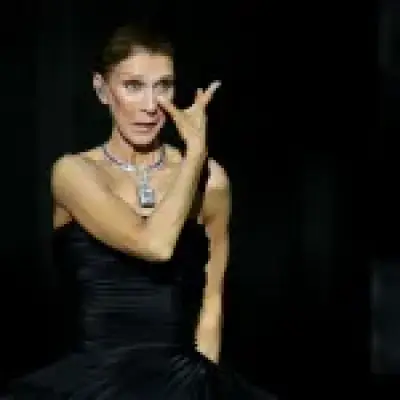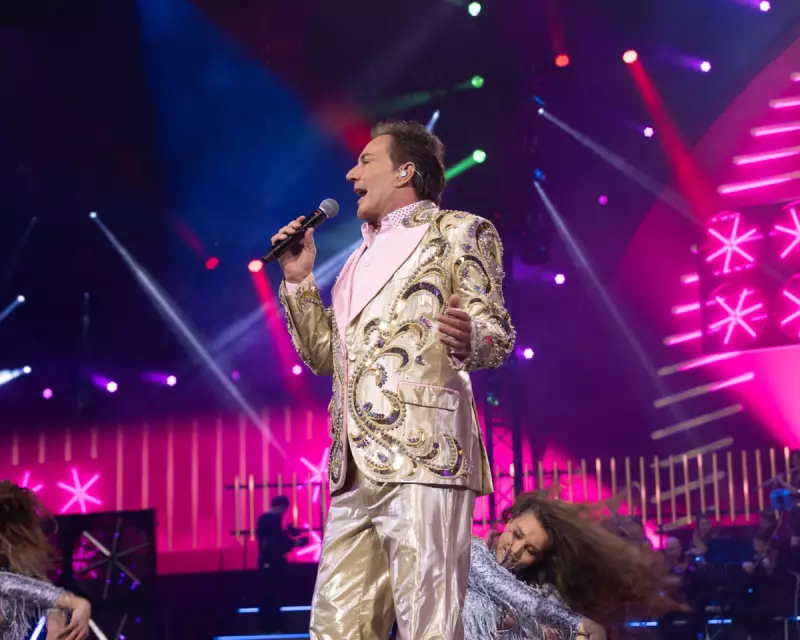
The cavernous Ziggo Dome in Amsterdam pulsated with the sound of brass and swaying crowds for the 2025 Muziekfeest van het Jaar. This two-night festival, recorded for a New Year's Eve broadcast, showcased the enduring and evolving power of levenslied – the Netherlands' uniquely sentimental and communal pop music. Once the defiant voice of the urban working class, the genre is now experiencing a remarkable renaissance among a new, young audience.
From Jordaan Slums to Stadium Anthems
Roughly translating as 'songs about life', levenslied has its heart in Amsterdam's formerly working-class Jordaan district. It shares a family resemblance with French chanson réaliste and German schlager, but is distinguished by a special Dutch warmth – the cherished concept of gezelligheid. It's operatic in feel, born from the adaptation of opera by Jordaan residents, and is fundamentally music for singing along.
Classic themes of love, betrayal, poverty, family, and local life are its bedrock. The genre's first major bloom came in the 1950s with icons like Johnny Jordaan and Tante Leen. Jordaan's 1955 hit De afgekeurde woning ('The Condemned Apartment') defiantly celebrated a slum as a palace, epitomising the genre's original spirit of proud, gritty independence.

A New Generation Embraces the Singalong
Today, the audience at the Ziggo Dome tells a new story. A significant portion of the 17,000-strong crowd were in their late teens and twenties, drawn by a fresh wave of stars. These include the cheeky, tattooed Mart Hoogkamer – who performed suspended above the crowd – and chart-topping acts like Suzan & Freek and Ammar Bozoglu.
For these young fans, contemporary levenslied is their own pop music, soundtracking provincial life, BBQs, and screen time. It is unapologetically Dutch; when veteran singer Gerard Joling performed an English-language number, the younger crowd's interest visibly waned. The official Spotify playlist 'Hollandse Meezingers' ('Dutch Singalongs') boasts over 150,000 saves, underscoring its streaming-era popularity.
Evolving Themes: From Blood & Sweat to Bacardi Lemon
The genre's thematic journey mirrors the Netherlands' own socio-economic shift from post-war hardship to prosperity. The raw defiance of André Hazes – whose 2004 memorial drew 50,000 people – is often seen as the end of an era. His anthem Bloed, Zweet en Tranen ('Blood, Sweat and Tears') was a guttersnipe's 'My Way'.
Modern hits reflect a more comfortable, party-focused reality. Mart Hoogkamer's summer smash declares 'Ik ga zwemmen in Bacardi Limon!' ('I'm going to swim in Bacardi Lemon!'). The classic knipoog (knowing wink) now often highlights harmless naughtiness, like skiving off work, rather than surviving in a slum. Some lyrics, like Joling's frisky invitation, are downright frisky.
The pathway to success has also changed. While some music emerges from pirate radio (piratenmuziek), mainstream television talent shows like We Want More – which launched singer Senna Willems – are now key launchpads. The genre's home has moved from smoky cafes like the long-gone Café Rooie Nelis to massive televised events like the Muziekfeest.
As the 2025 festival reached its crescendo with fireworks and a kiss-cam, the sense of communal, swaying participation was palpable. The gezelligheid was intact, even if the edges have softened. Levenslied remains a potent force in Dutch culture, but its soul is being reinterpreted by a generation for whom swimming in Bacardi Lemon is a more relatable dream than defending a condemned apartment.