Divine Feminine Review: Shiva Feshareki's Goddess-Inspired Soundscape Struggles to Find Its Footing
Shiva Feshareki's latest work, Divine Feminine, premiered at St Martin-in-the-Fields in London, presenting a complex and ambitious soundscape that ultimately fails to coalesce into a focused narrative. Despite being billed as an opera, this multi-award-winning British-Iranian composer and turntablist's creation defies easy categorization, leaning more towards installation, music-theatre, or even a therapeutic experience.
A Meditative Yet Unfocused Celebration
The performance transforms the nave, gallery, and sanctuary of the central London church into an intricately amplified "360° soundscape," immersing the audience in a world of goddess energy. However, the piece lacks a solid architectural foundation, leaving it adrift in a sea of undefined concepts. Poet Karen McCarthy Woolf's text, which serves as a sequence of poems rather than a traditional libretto, tells the story of Celtic goddess Brigid. With the aid of a grimoire of global goddesses and a mortal teenager named Snowdrop, Brigid must smash the patriarchy and summon the return of spring—a lofty goal for an hour-long performance.
Emma Tring's Incandescent Performance
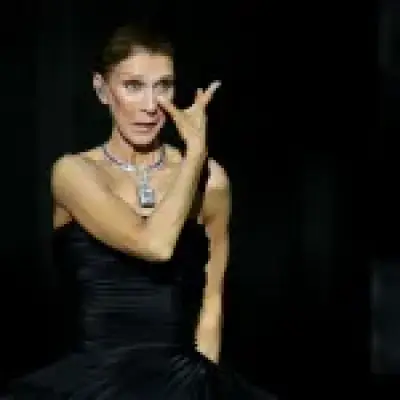
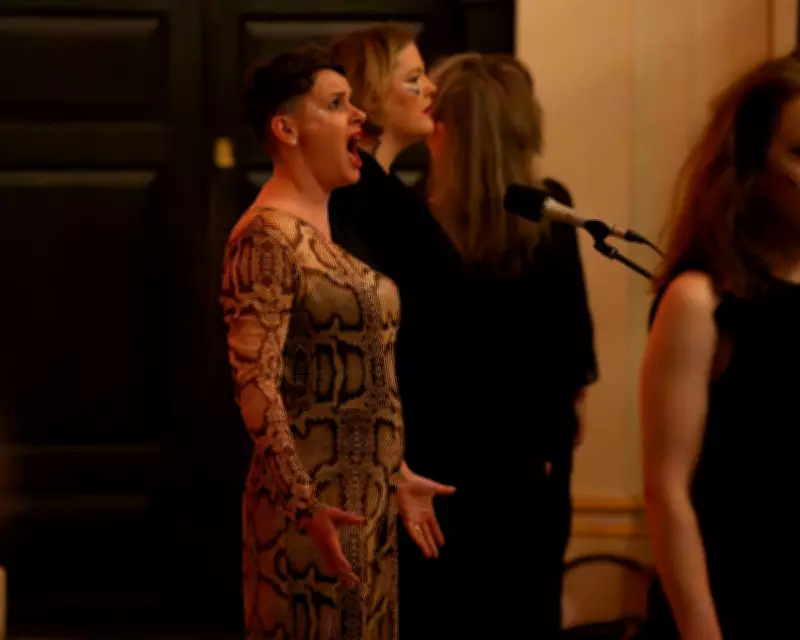
Soprano Emma Tring delivers an incandescent and fearless portrayal of Brigid, hurling herself into keening cries and lilting Irish-style folk tunes with rooted power. Her voice shifts from sweet to hoarse with primal energy, showcasing a remarkable range and commitment. She is supported by the upper voices of the BBC Singers and young singers from Vox Next Gen, all conducted by Lucy Goddard, while Feshareki herself manipulates sound in real time on turntable and electric guitar.

The Core Issue: Lack of Musical Substance
Despite these elements, Divine Feminine struggles to transcend its own limitations. The piece's eyes and ears are fixed on heavenly aspirations, but its musical feet never find solid ground. Strip away the digital illusions, and what remains is a handful of cluster chords, a folk song, and some chanting—insufficient to sustain the ambitious themes. This meditative celebration of the divine feminine, hovering at the nexus of fecundity, sisterhood, and rebirth, chants, shouts, stamps, and dances without ever achieving clarity or focus.
The performance will be broadcast on BBC Radio 3's New Music Show on March 7, offering listeners a chance to experience this enigmatic work firsthand. While it pushes boundaries, Divine Feminine ultimately highlights the importance of terminology and structure in art, reminding us that without a clear frame, even the most innovative creations can lose their energy and impact.