The Disintegration Loops: A Musical Elegy for 9/11
In the summer of 2001, experimental composer William Basinski made a startling discovery while digitizing old recordings from the early 1980s. As the tapes played on a loop, the music began to degrade, with iron oxide particles falling off, creating a gradual collapse into silence. What seemed like a musician's nightmare became a golden opportunity for Basinski, who recorded the process, naming it The Disintegration Loops.
A Fateful Connection to Tragedy
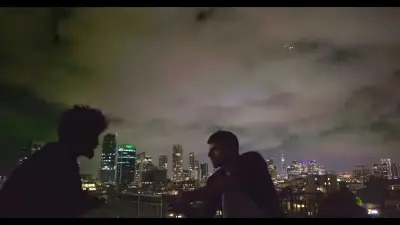
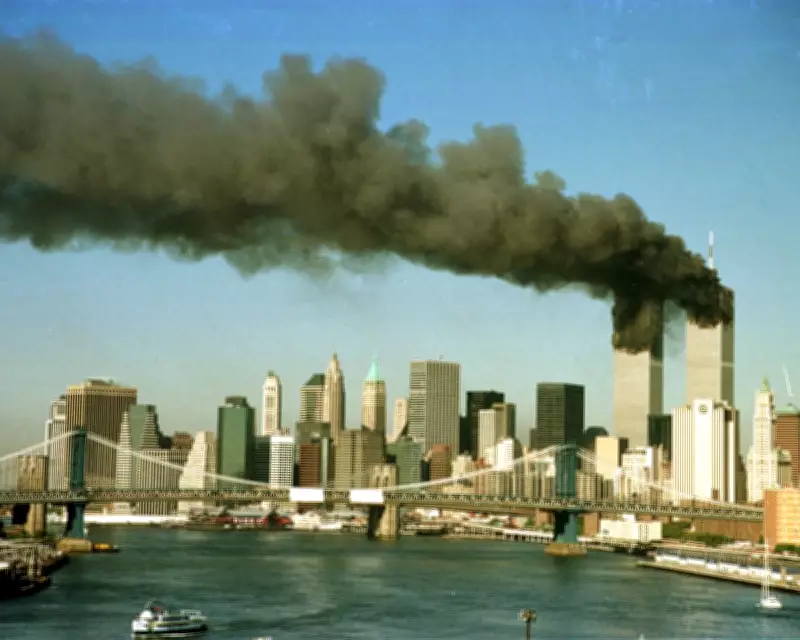
Two months later, on September 11, Basinski watched the twin towers burn from his rooftop in Williamsburg, New York. In the aftermath, he played his recordings, realizing they had transformed into an elegy for the tragedy. "Everything changed that day," Basinski recalls. "The world changed. And the music changed. I realized that this music was now an elegy."
Anohni, a close friend and musician, was with Basinski during this period, blasting the loops from rooftops as the trauma unfolded. "It felt biblical," she says, noting how the event welded their experiences with prior traumas like the AIDS crisis, creating a collective sense of annihilation.

Roots in New York's Avant-Garde Scene
Basinski and Anohni's paths crossed in the 1990s within New York's dynamic avant-garde community. Basinski ran Arcadia, a performance space in a renovated pigeon loft in Williamsburg, hosting eclectic acts from electronic musicians to cello trios. Anohni performed there early in her career, with Basinski and his partner Jamie Elaine serving as mentors.
"Arcadia was a teaching environment," Anohni explains. "It was an example of two people living in their work." The space fostered creativity in a pre-gentrification Williamsburg, contrasting sharply with today's developed landscape.
The Loops Gain Public Recognition
After 9/11, The Disintegration Loops took on a new life. Anohni helped spread the word, leading to features in publications like The Wire. In November 2001, they performed at PS 122 in New York's East Village, with Basinski showing footage of the 9/11 smoke alongside the music, creating a ceremonial requiem.
By 2011, the loops reached a wider audience when Basinski collaborated with the Wordless Music Orchestra for a performance at the Metropolitan Museum of Art, commemorating the 10th anniversary of 9/11. The event drew hundreds, ending in profound silence that moved attendees deeply.
Legacy and Relevance Today
The Disintegration Loops has since become a seminal 21st-century work, reflecting broader themes of degradation and crisis. Anohni notes its foreshadowing quality, linking it to underground queer art that often anticipates societal shifts. "The music speaks to our human need for a way to express the inexpressible," she says.
Both artists emphasize the loops' role in processing trauma, from personal losses to global events. Basinski tears up recalling post-9/11 moments of community tenderness, while Anohni highlights the music's capacity to soundtrack an era of ecological and political unease.
As The Disintegration Loops is re-released, its story underscores how art can emerge from chaos, offering solace and reflection in turbulent times.