London Makeup Artist Seeks Medical Treatment Abroad After UK Healthcare Fails to Address Chronic Breathing Issues
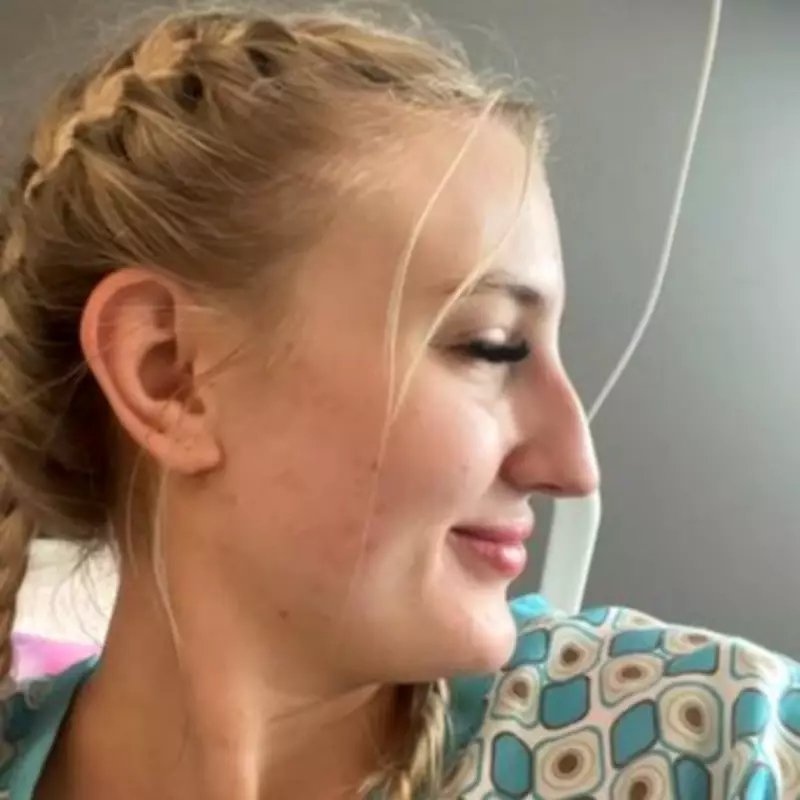
Annie-Mae Dawes, a 24-year-old makeup artist and beauty therapist from London, endured over a decade of severe breathing difficulties before finally obtaining surgical intervention in Turkey after being repeatedly turned away by medical professionals in the United Kingdom. Her journey highlights growing concerns about accessibility within the National Health Service and the increasing trend of medical tourism among British citizens seeking specialized treatments abroad.
Twelve Years of Struggle and Misdiagnosis
From the tender age of twelve, Annie-Mae experienced persistent nasal obstruction that progressively worsened, becoming what she describes as her "biggest insecurity" throughout her adolescence and early adulthood. Despite multiple consultations with UK doctors, medical professionals consistently dismissed her symptoms, suggesting a possible childhood nose fracture while finding no other apparent issues requiring treatment. "I was told multiple times I did not have a deviated septum," Annie-Mae revealed, "when in the end it turns out that it was blocking 60% of my airways."
This prolonged period of medical dismissal forced the young woman to take matters into her own hands, conducting extensive independent research into potential surgical solutions. Her investigation ultimately led her to medical professionals in Turkey who specialized in complex nasal reconstruction procedures.
Comprehensive Surgical Intervention in Turkey
At age twenty-three, Annie-Mae underwent a comprehensive surgical procedure in Turkey that included septoplasty, rhinoplasty, and perforation repair, with the total cost amounting to £3,555. During the operation, her Turkish surgeon made a startling discovery: a substantial 1cm hole in her septum caused by years of excessive decongestant spray usage. The medical team promptly repaired this significant structural damage while simultaneously addressing multiple aesthetic concerns.
The surgical intervention involved several sophisticated techniques:
- Removal of a dorsal hump to create a stronger nasal contour
- Lifting and refining of the nasal tip
- Camouflaging of pre-existing dents and irregularities
- Implementation of strut grafts and spreader grafts fashioned from her own deviated septum cartilage
Annie-Mae elected to combine functional correction with aesthetic enhancement, explaining that her original nasal structure "didn't fit" her facial features and represented a persistent source of psychological distress. "It was the first thing I saw when I looked in the mirror," she confessed, "and I hated being seen from a side profile."
Philosophical Perspective on Cosmetic Surgery
The London-based beauty professional maintains a nuanced perspective regarding plastic surgery, acknowledging the tension between self-acceptance and personal transformation. "I have a strange relationship with plastic surgery because I do believe that we should all love ourselves exactly the way we are," she reflected, "but equally life is short and if something is getting us down that we can't shake then why not change it?"
Despite some acquaintances expressing preference for her pre-surgical appearance, Annie-Mae emphasizes the subjective nature of such decisions. "It's all about how it makes you feel at the end of the day," she asserted, "and it did not make me feel good."
Thorough Preparation and Support System
Prior to undergoing the procedure, Annie-Mae conducted what she describes as an "extreme" amount of research on her chosen surgeon, particularly addressing her anxieties about general anesthesia. "I was just really scared of being put to sleep as I never had had it before," she admitted. Her meticulous preparation and unwavering determination proved crucial, as she entered the operating theater "super educated" and psychologically prepared.
The young woman credits her support network with providing essential encouragement throughout the process. "Luckily all my nearest and dearest were super supportive," she noted, "they knew how long I'd wanted the procedure and they knew I don't jump into these things lightly."
Life-Changing Results and Quality of Life Improvements
Nearly two years post-surgery, Annie-Mae reports profound improvements in both her physical health and psychological wellbeing. "Being able to breathe is the best part," she emphasized, "it has changed my quality of life to the extreme." The functional benefits have been comprehensive and transformative:
- Significantly improved sleep quality with elimination of snoring
- Resolution of chronic mouth breathing patterns
- Complete cessation of daily sinus pain and headaches
- Enhanced recovery from illnesses and common colds
- Improved comfort during air travel
"I never realised how much breathing impacted my entire life before," she marveled. "So I'm over the moon with my results and the whole experience."
Creating Support Systems for Others
Having documented her surgical journey extensively on social media platforms, Annie-Mae now regularly receives inquiries from individuals considering similar procedures. While careful not to encourage surgery indiscriminately, she has developed a strong commitment to supporting those who choose this path. "I want to be there to support those who are going through it as I know how overwhelming and scary it can be," she explained, particularly referencing the challenging early stages of postoperative swelling.
This commitment has evolved into concrete plans to establish a specialized service providing companionship for women undergoing nasal surgery abroad. "So many people go through it alone," she observed, "and would really benefit from a companion during the first few days."
Cautious Advice for Prospective Patients
Drawing from her extensive personal experience, Annie-Mae offers measured guidance for those contemplating similar surgical interventions:
- Psychological Preparation: "Don't get it unless you absolutely hate all parts of your nose. Otherwise you'll likely swap one small insecurity for another as there is no such thing as perfection."
- Identity Considerations: "Be mentally prepared to not recognise yourself for a long period of time. Identity crisis is a real thing and you should really prepare yourself for the worst and have a therapist on hand."
- Patience with Results: "When they say it takes over a year to see your full results, they really mean it and it can look all sorts of crazy up until then so do not freak out in the early days."
- Practical Logistics: "I think it would be beneficial to go to a country that isn't too far away from you or have an ear, nose and throat medic back home on standby just in the rare case of any complications."
Annie-Mae's story represents both a personal triumph over chronic medical neglect and a cautionary tale about healthcare accessibility. Her successful outcome in Turkey after years of dismissal in the UK raises important questions about diagnostic thoroughness and treatment availability within contemporary medical systems, while simultaneously highlighting the complex psychological dimensions of cosmetic and functional surgical interventions.