In the wake of a sweeping government crackdown on mainstream idol culture, an underground movement of alternative pop groups is redefining China's music landscape. These "alt-idol" collectives, formed by fans and part-time performers, are championing artistic freedom and experimentation in stark contrast to the rigid, corporate-driven formulas that dominate global pop.
The End of Mainstream Idol Dreams in China
For years, China attempted to replicate the explosive success of South Korean and Japanese idol industries through televised talent shows. These programs, reminiscent of The X Factor but with intensely demanding choreography, were building massive audiences until 2021. That year, the Chinese government launched a crackdown on what it deemed "toxic" fan culture, which included an outright ban on idol-development shows.
"It was an excuse to regulate the internet," explains Emily Liu, who runs the popular idol newsletter Active Faults. This regulatory move, coupled with an unofficial decade-long prohibition on Korean pop performances in mainland China due to geopolitical tensions, devastated the country's mainstream idol industry.

The ban effectively blocked the pipeline that allowed trained idols to build performing careers lucrative enough to justify their significant upfront training costs. "It's like they blocked the end of the river that flows into the industry," Liu says. "They blocked opportunities for them to make a living." Established groups like IXFORM and Into1 disbanded soon after their shows were cancelled, while many aspiring idols shifted to more lucrative fields like acting or China's booming livestream industry.
The Rise of Grassroots Alternative Movements
As mainstream pop faltered, a vibrant underground scene began to flourish. These alt-idol groups represent a fundamental shift in what an idol can be, moving away from corporate blueprints toward more authentic, artist-driven expressions.
"People are exhausted by Blackpink and BTS and all these household names," says Liu. "People want something new, especially in China."
Transparent Classroom and Parallel Girls: A New Vision
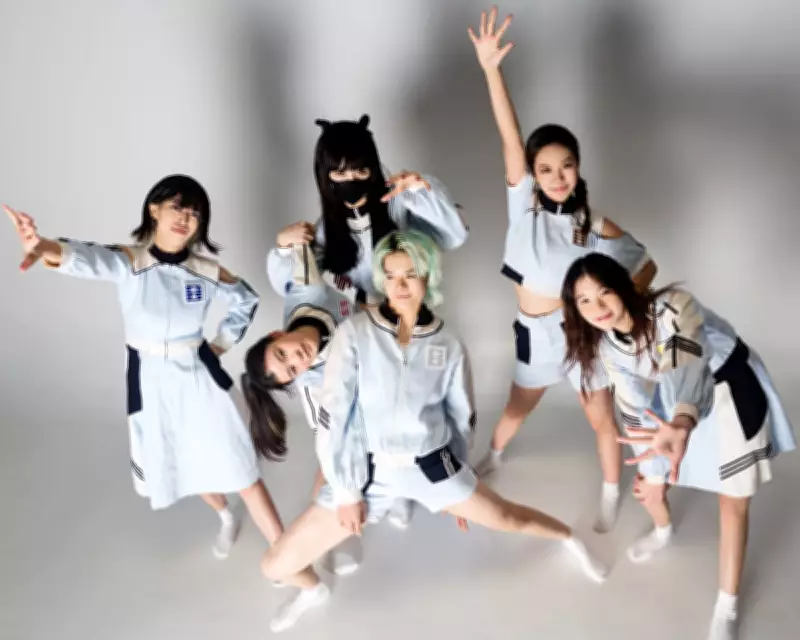
Zhao Beichen, founder and producer of the alt-idol group Transparent Classroom and Parallel Girls, compares this movement to the arrival of alt-rock in 1980s America. Unlike mainstream idol groups that adhere to strict, unwritten standards regarding appearance, weight, and technical perfection, Zhao's group centers on sincerity and artistic freedom.
"I choose people who are not what the idol industry says are suitable to become an idol," Zhao explains. This philosophy has attracted members like Silver, who recalls: "When I was little, there was no one like me on television in China." With her short-cropped hair—a rarity in traditional idol culture—Silver represents the diversity these groups embrace.
7Sins and the Expansion of Local Scenes
While retaining classic idol elements like choreographed dancing and synchronized costumes, alt-idol groups are sonically and stylistically more experimental. Many are self-produced and based outside international hubs like Shanghai and Beijing, allowing localized scenes to flourish.
Transparent Classroom hails from Changsha in central China, while fellow alt-idol group 7Sins operates from Guangzhou in the south. "When we debuted in 2022, Guangzhou basically had no underground idol groups," says Kumiko from 7Sins. "Now, there are idol events held in different live houses every weekend."
These local music venues have become crucial platforms outside the heavily regulated internet, fostering closer connections between performers and fans. A Beijing-based fan of Transparent Classroom describes watching them in Changsha as making him feel "like I've returned to my spiritual home town."
Artistic Experimentation and Stylistic Diversity
The alt-idol scene showcases remarkable creative range. 7Sins employs gothic fashion and high-octane rock, while Transparent Classroom's discography mixes jangle-pop, punk, house, post-rock, jazz, and other influences. This experimentation has become central to their appeal for fans seeking alternatives to mainstream idol formulas.

"I felt they were different from what I or most people imagine when they think of mainstream idols, who might just wear pretty clothes and sing very sweet songs," says Ma, a Transparent Classroom fan.
The Challenges of Operating Outside Commercial Structures
Without supportive commercial frameworks, alt-idol work rarely provides full-time income. Silver balances her musical career with work as an English teacher, while Kumiko is finishing graduate studies. This financial reality makes the scene particularly fragile.
"Changes in membership have a big impact on our image because, unlike company-formed groups, our group is built on close-knit bonds between members," Kumiko explains. 7Sins recently announced they would disband in June, partly due to concerns about long-term lineup continuity.
An Uncertain Future in a Shifting Landscape
The broader cultural landscape continues to evolve. Last year, BTS's parent company Hybe opened a Beijing office, signaling a potential thaw in China's de facto freeze on Korean pop culture. While Zhao remains hopeful that the idol sector is large enough to allow niche scenes to thrive, she acknowledges uncertainty about how such changes might affect alt-idol groups.
"I can't say for sure whether the future trend of this industry will squeeze this subculture, or if it will grow along with it," she says.
Sustained by Passion, Not Profit
Ultimately, China's alt-idol movement demonstrates the resilience of cultural expression even when commercial pathways are blocked. Without the promise of substantial financial rewards, these groups are sustained primarily by their members' passion.
"My career is music," Silver insists, despite spending most of her time teaching. "Even though I have to spend most of my time making money as a teacher, I am thinking about music all the time."
She adds: "Even if no one was watching, I would be dancing all day. To be able to have audiences watching you sing and dance—that's a privilege." The very existence of China's alt-idol groups stands as testament to the impossibility of completely suppressing cultural movements that resonate deeply with their participants. As the industry metaphor suggests: you can block the river, but the water will find a way through.