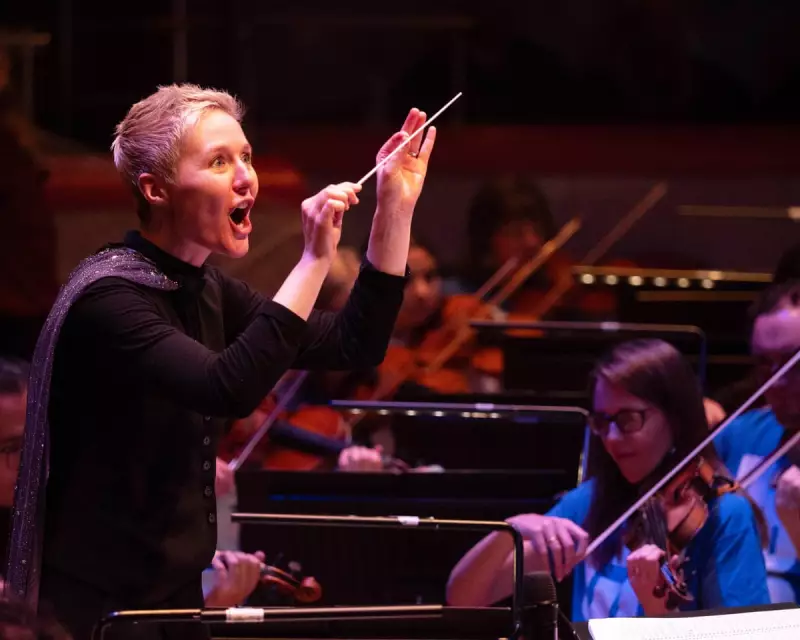
In an era often dominated by stories of funding cuts and operational crises in the arts, it is easy to overlook the profound vitality and positive impact of classical music in the UK. While headlines frequently highlight threats to opera companies, university departments, and local music provisions, a vibrant counter-narrative exists—one filled with innovation, community spirit, and artistic excellence that deserves far greater attention.
Shifting the Narrative from Crisis to Celebration
Classical music, with its ability to evoke deep emotions and provide solace, remains a cornerstone of cultural life. Yet, the public discourse has increasingly focused on its challenges rather than its successes. This negative framing can obscure the incredible work being done by musicians and organisations across the country. From pioneering broadcasters like the late Sir Humphrey Burton, who brought classical music to mainstream television, to today's digital advocates, the mission to share this art form persists, albeit in a more fragmented media landscape.
The Power of Music in Community and Healthcare
Beyond mere entertainment, classical music is proving its worth in tangible, life-enhancing ways. Numerous UK organisations are actively exploring how focused musical engagement can positively influence healthcare outcomes, offering therapeutic benefits and fostering well-being. This underscores music's role not just as an aesthetic pursuit but as a vital social force, capable of healing and uniting people in times of need.

Spotlight on Excellence: The Royal Philharmonic Society Awards
One initiative championing this brighter story is the Royal Philharmonic Society (RPS) awards, which annually highlight the exceptional contributions of musicians. The 2026 nominees exemplify the diversity and dynamism of the sector. Conductors like John Wilson, with his Sinfonia of London, achieve Olympian levels of excellence, captivating audiences through acclaimed recordings and sold-out performances. Soprano Louise Alder's dazzling Proms appearance and composer Mark-Anthony Turnage's powerful opera Festen at Covent Garden further showcase the UK's world-class talent.
Unsung Heroes and Community Ventures
The awards also celebrate lesser-known initiatives that demonstrate music's transformative power. In Gresford, Wales, a community opera commemorated a local mining disaster, bringing generations together and reinforcing shared values. The Royal Scottish National Orchestra not only achieved record ticket sales but also engaged over 70,000 people through interactive projects, including collaborations in Glasgow's Anderston ward. Similarly, Sean Chandler's I Can Play Brass Roots in York empowers hearing d/Deaf children by teaching them brass instruments, fostering inclusion and self-worth.
Audience Engagement and Future Prospects
Contrary to perceptions of decline, audience interest in classical music is robust. A 2023 Royal Philharmonic Orchestra survey found that 84% of adults expressed a desire to attend live orchestral concerts. BBC Radio 3 reported its largest post-pandemic audience, with 2.15 million listeners in a quarter, while the BBC Proms attracted record digital viewership, exceeding 10 million TV viewers and 6 million streams. These figures highlight a growing public appreciation that funders and policymakers should recognise and support.
The RPS awards, open to the public, embody this inclusive spirit, ensuring that audiences are integral to the story. As we reflect on Humphrey Burton's legacy, it is clear that his blueprint for passionate storytelling remains essential. By amplifying the good news—the joy, meaning, and community impact—we can reset the narrative, ensuring classical music continues to inspire and resonate across the nation.