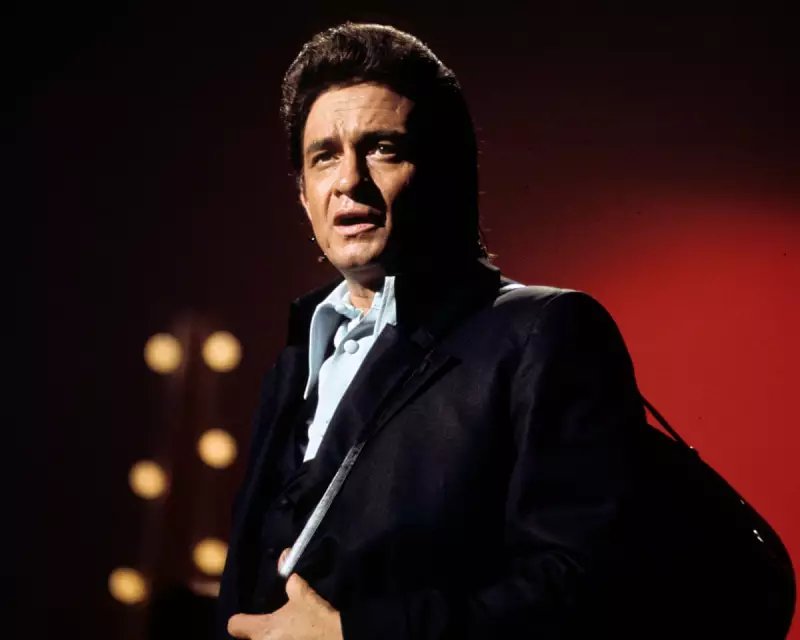
The estate of the legendary country singer Johnny Cash has initiated legal proceedings against the soft drinks giant Coca-Cola. The lawsuit alleges the corporation illegally used a sound-alike performance mimicking Cash's distinctive voice in a television advertisement.
The Legal Grounds: Tennessee's Elvis Act
The case has been filed under the recently enacted Elvis Act of Tennessee, which became effective last year. This pioneering legislation specifically safeguards an individual's voice from being exploited for commercial gain without their explicit consent.
According to the complaint, while the Cash estate has historically licensed the singer's songs to various parties, Coca-Cola did not seek permission for this particular advertisement. The advert in question was aired during breaks in college football broadcasts across the United States.

A Matter of Integrity and Theft
Tim Warnock, a legal representative for the Cash estate, issued a powerful statement condemning the action. "Stealing the voice of an artist is theft," Warnock asserted. "It is theft of his integrity, identity and humanity. The trust brings this lawsuit to protect the voice of Johnny Cash – and to send a message that protects the voice of all of the artists whose music enriches our lives."
The legal documents name the singer featured in the commercial as Shawn Barker, a professional entertainer who has built a career on his Johnny Cash tribute act. Barker's management team expressed that they were "thrilled" when approached for the project.
His manager, Joey Waterman, elaborated, stating that "Shawn Barker has been performing with his Cash tribute The Man in Black: A Tribute to Johnny Cash for over two decades, touring the world sharing his love of Johnny Cash’s music and stories with fans both old and new."
Seeking Justice and Damages
The estate is pursuing several legal remedies through the courts. These include an immediate injunction to force Coca-Cola to remove the advertisement from all media channels. Furthermore, they are seeking financial damages as permitted under the Elvis Act, alongside additional damages for alleged breaches of Tennessee's consumer protection statutes.
The formal complaint argues that "This case arises from Coca-Cola’s pirating Johnny Cash’s voice in a nationwide advertising campaign to enrich itself – without asking for permission or providing any compensation to the humble man and artist who created the goodwill from which Coca-Cola now profits."
At this time, Coca-Cola has not issued a public comment regarding the lawsuit. The case emerges as the music industry grapples with new technologies and the ethical use of artists' likenesses and vocal styles.
In a related note, last year the Cash estate released "Songwriter", an album of previously unreleased material recorded by the artist during a less prosperous period in the 1990s, before his celebrated collaborations with producer Rick Rubin revived his career. Johnny Cash passed away in 2003.