The musical artistry of Bad Bunny is profoundly anchored in the cultural landscape of his Puerto Rican homeland. His creative expression flows directly from the island's unique heritage, creating a sound that is both locally resonant and globally influential.
The Super Bowl Controversy: Language as Cultural Battleground
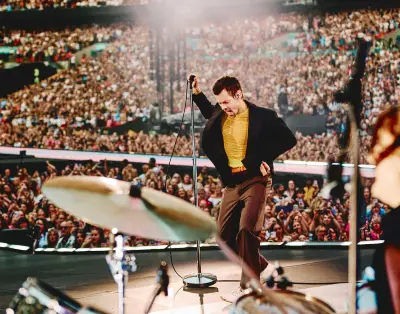
Recent discussions surrounding Bad Bunny's headline performance at the Super Bowl halftime show have revealed deeper tensions about cultural transmission and national identity. Critics who characterise his predominant use of Spanish as an intrusion into American cultural space are engaging in a disingenuous debate that masks more fundamental anxieties.
The core issue isn't truly about lyrical comprehension. Rather, it represents a broader claim about Bad Bunny and his music being perceived as fundamentally un-American. This stems from a cultural fear of exclusion, or what contemporary psychology terms the fear of missing out (FOMO).

Two Responses to Cultural Encounter
When confronted with unfamiliar cultural expressions, reactions typically diverge in two distinct directions. Some responses sour into resentment and withdrawal, exemplified by organisations promoting alternative "All-American" halftime programming. Others embrace productive curiosity, like families learning Spanish phrases together to better engage with the performance.
Both reactions emerge from the same power structures that determine what qualifies as authentically American and what gets marginalised as foreign. These cultural routes mirror the geopolitical realities that govern physical movement and connection throughout the Caribbean region.
Caribbean Sounds and Imperial Infrastructures
The United States has maintained a complex relationship with Caribbean nations, relying on their strategic importance while often insisting they remain culturally distinct. Puerto Rico's unique status as an unincorporated territory perfectly illustrates this dynamic – kept sufficiently close for control while systematically denied full belonging.
Caribbean artists have consistently made these invisible borders tangible through their creative work. Musical traditions from across the region have educated generations about imperialism's contours through irresistible rhythms and compelling melodies that invite sustained engagement.
Bad Bunny's Political Resonance
The argument that Spanish-language music alienates audiences fundamentally misunderstands contemporary cultural consumption. Bad Bunny's 2022 track El Apagón directly references Puerto Rico's persistent electrical grid failures and broader colonial neglect, yet remains an undeniably danceable party anthem.
His music represents an invitation into shared experience rather than a barrier to participation. Blending reggaeton's dembow foundation with salsa, bomba, and trap influences, Bad Bunny creates sounds that acknowledge political realities while maintaining celebratory energy.
Contemporary Listening Ethics
In an era of fragmented attention, critics overlook how modern audiences engage with unfamiliar cultural products. Today's listeners have unprecedented access to translation resources, tutorial content, and explanatory communities that facilitate deeper understanding.
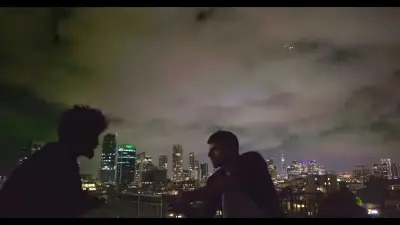
Bad Bunny's recent visual album Debí Tirar Más Fotos exemplifies this approach, with cinematic music videos that communicate themes of migration, family, loss, and celebration beyond linguistic barriers. The memorable Grammys moment when Trevor Noah sang Bad Bunny's lyrics back to him demonstrated this new ethic of cross-cultural engagement.
Choosing Connection Over Fear
When nationalism becomes conflated with cultural exclusion, the productive curiosity that FOMO can inspire becomes a vital counterforce. In a historical moment saturated with various anxieties – about the future, about belonging, about change – many are consciously opting for the work of mutual understanding over the paralysis of mutual suspicion.

Bad Bunny's Super Bowl performance represents more than just entertainment programming. It serves as a cultural referendum on who gets to define American identity and through what mediums that identity gets expressed. The choice between crashing out or tapping in reflects broader societal decisions about cultural engagement in an increasingly interconnected world.