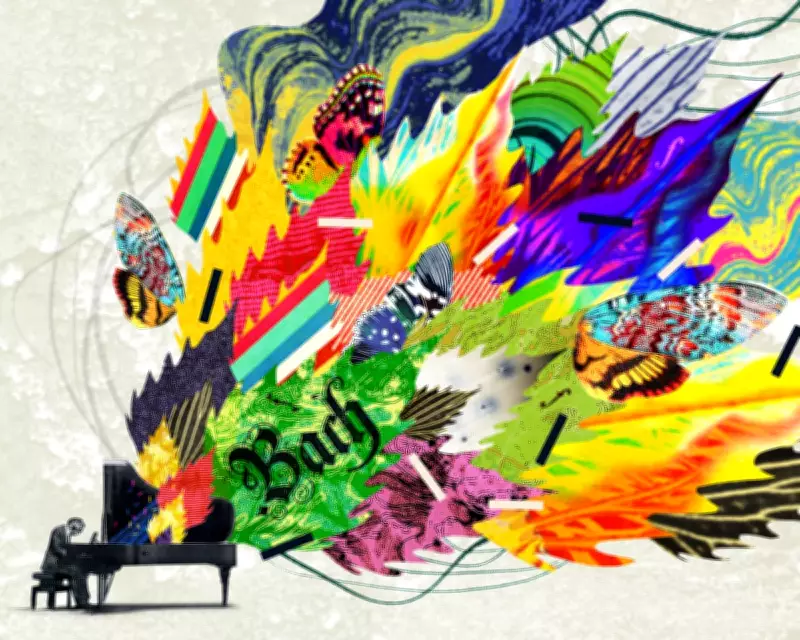
Finding Solace in Bach's Chaconne During Childhood Trauma
For acclaimed pianist James Rhodes, discovering Johann Sebastian Bach's music at just seven years old represented nothing less than a lifeline during unimaginable darkness. While enduring two years of sexual abuse from a teacher that left him with night terrors, physical symptoms, and profound isolation, Rhodes stumbled upon a cassette tape of the Bach-Busoni Chaconne that would fundamentally alter his relationship with suffering.
A Transformative First Encounter With Classical Music
"Hearing it for the first time was almost a religious experience," Rhodes recalls of that initial encounter with Bach's masterpiece. In a world that felt like a war zone of pain, the young boy found in those sixteen minutes of music a private sanctuary—a source of light that belonged exclusively to him. The experience proved so powerful that Rhodes compares it to witnessing Lionel Messi play football and immediately knowing one's life purpose.
Contrary to perceptions of classical music as dry or academic, Bach's compositions emerged from profound personal tragedy. The composer wrote the Chaconne after his wife's sudden death, when he couldn't even attend her funeral. Half of Bach's twenty children died in infancy, and his music became the vessel for processing this immense grief. Even without knowing this biographical context, listeners intuitively sense the emotional truth embedded within the music's structure—how it continues when you expect it to end, mirroring the need to say one more thing to someone who has passed.

Music as Survival Mechanism and Adult Redemption
For the traumatised seven-year-old, Bach's compositions provided what language could not: a means to process overwhelming emotions. Rhodes became obsessed, spending evenings in his room listening to recordings by Bach, Horowitz, and Ashkenazy while pretending to play along. "It was pure escape, pure fantasy," he explains. "I could hide inside the music, and it made everything bearable." The Chaconne specifically functioned like an ancient key that unlocked something essential within him.
Despite showing exceptional musical talent—earning a scholarship to London's Guildhall School at eighteen—Rhodes faced parental pressure to pursue conventional education instead. He abandoned piano for a decade, working in finance jobs he despised before returning to music in his late twenties with renewed devotion. Learning as an adult presented greater technical challenges, but Rhodes discovered deeper determination, fueled by the conviction that he owed his survival to this art form he had lived and breathed since childhood.
A Second Musical Lifeline in Adulthood
At thirty-one, while hospitalised in a psychiatric ward after attempting suicide, Rhodes experienced another transformative musical encounter. A friend smuggled in an iPod nano containing Glenn Gould's performance of the Bach-Marcello Concerto in D minor. "I'd never heard anything so beautiful in my entire life," he remembers. Despite heavy medication, the experience transported him back to that seven-year-old hearing classical music for the first time.
This recording delivered the same profound truth as the Chaconne had decades earlier, but now Rhodes could articulate it: "If something this pure exists, then I don't have to die." The realisation provided the impetus to keep living. He has since performed that piece thousands of times, released eight albums, and now plays on the same prestigious stages as his musical heroes—sometimes using the very same instruments.
The Enduring Impact of Trauma and Healing
Rhodes emphasises that childhood sexual abuse creates wounds that never fully heal. His abuser was eventually arrested and charged with multiple rapes but died before facing trial. While trauma manifests differently for everyone, Rhodes believes we somehow find ways to survive it. Music provided him with tools to feel less alone and navigate childhood experiences filled with shame, secrecy, and imbalanced power dynamics.

In the Chaconne, he heard suffering transformed into something alive and beautiful. In the Marcello concerto, he discovered hope precisely when he needed it most. Both compositions taught him that goodness persists in the world if we know where to seek it. Finding that initial cassette tape represented a definitive sliding-doors moment—one that likely saved his life and ultimately gifted him a beloved career.
"As a child, I thought: if something this incredible can exist, then it can't all be bad," Rhodes reflects. "I believed that at seven, and I still believe it now." His story stands as powerful testament to art's capacity to illuminate even the darkest human experiences.