Aphex Twin's Digital Renaissance: How Ambient Techno Became Gen Z's Online Soundtrack
In a remarkable cultural shift, the enigmatic Cornish electronic music producer Aphex Twin has experienced an extraordinary second life in the TikTok era, overtaking global pop superstar Taylor Swift in monthly YouTube Music listeners. With 448 million listeners compared to Swift's 399 million, this mysterious pioneer's glitchy, unpredictable sound has become the defining backdrop for Generation Z's online existence.
The Unexpected Viral Success of QKThr
The catalyst for this resurgence appears to be QKThr, an obscure 88-second track from Aphex Twin's 2001 album Drukqs. This ambient elegy, which sounds like an experiment recorded on a historic pirate ship with its shaky accordion tones and clustered chords, has featured on nearly 8 million TikTok posts. Electronic music DJ and producer RamonPang notes that this track has propelled Aphex Twin's popularity in short-form content, creating what he describes as "a renaissance through gen Z" for the artist's back catalogue.
Why Aphex Twin Resonates with Digital Natives
Digital culture journalist Kieran Press-Reynolds observes that hearing Aphex Twin's music over seemingly banal content, such as get-ready-with-me videos, adds "an immense poignancy" to the viewing experience. The music's mercurial nature makes it a natural companion for generations who have grown up with a fractured hybrid of digital and real life. LA-based musician Chloe Saavedra, who posts drum covers of Aphex Twin songs to TikTok, describes his programmed music as "not written for humans to play," with its unpredictable rhythms that swing between mechanical precision and complete off-grid experimentation.

The Allure of Mystery and Counterculture
Part of Aphex Twin's appeal lies in the aura of mystery surrounding the artist. The lore includes stories about him owning a street-legal tank, allegedly living in a glass structure on a south London roundabout, and operating under numerous inscrutable aliases like Polygon Window and the Tuss. Saavedra calls him "anti-pop" in a world where most young listeners experience music being "rammed down our throats," offering what she sees as a liberating, non-prescriptive form of fandom and discovery.
From Beach Raves to Algorithmic Background Music
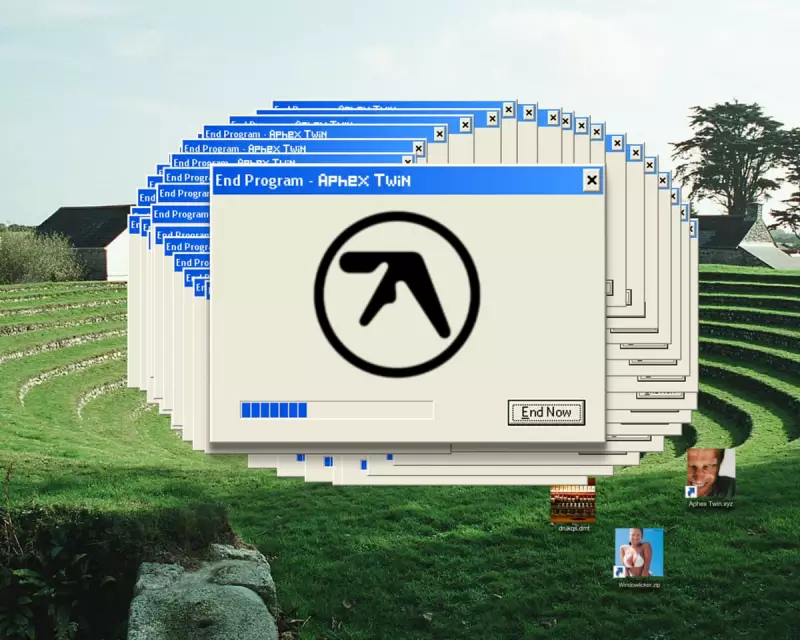
Some older listeners might question whether Aphex Twin's esteemed catalogue is being "reduced" to algorithmic background music, but the artist's work has always had utilitarian aspects. His 1992 track Digeridoo was originally written to clear people away from Cornish beach raves at dawn. Now, his otherworldly music, much of it three decades old, continues to find new resonances with each generation. As RamonPang suggests, younger listeners find the "alien looking sigil" of his logo, the mischievous "ghastly face" from his videos, and his childlike, emotive sound worlds "completely fascinating" and worth exploring further.
Blank Slate for Endless Interpretation
Aphex Twin's refusal to ascribe meaning to most of his music keeps the slate blank for endless reinterpretation. When it comes to QKThr, RamonPang speculates that "he probably just felt like writing some dreamy and lush shit one day, and then decided to do it because he doesn't care what anyone else thinks." This attitude, combined with music that defies easy categorization, has created the perfect conditions for a digital renaissance that sees Aphex Twin's work adorning everything from cute panda videos to memed presidential debates and the "subtle foreshadowing" fail video trend that has captivated TikTok users worldwide.