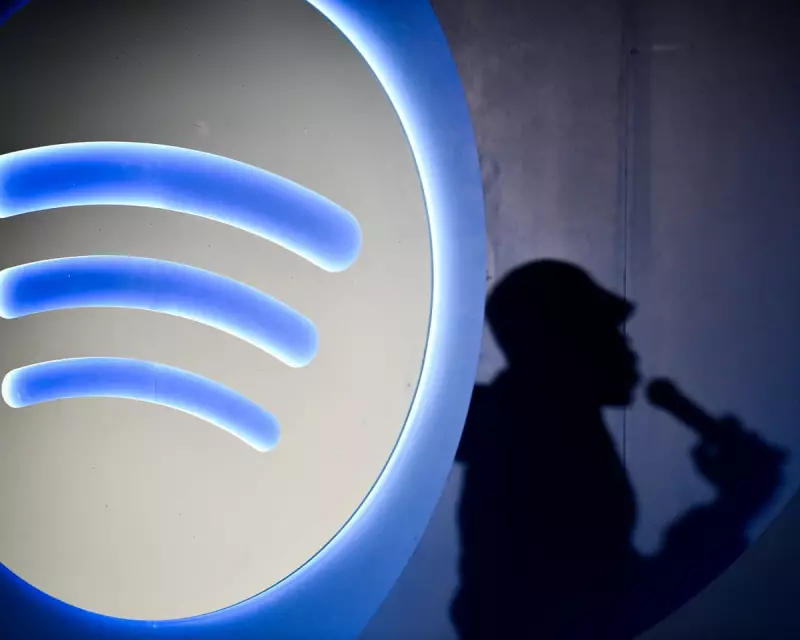
The music industry is facing an unprecedented challenge as artificially generated tracks begin dominating popular charts. Three AI-generated songs have recently reached the summit of Spotify's 'Viral 50' charts, signalling a fundamental shift in how music is created and consumed.
The Rise of Robot Musicians
Making music traditionally required years of dedication, skill development, and personal expression. Today, that process has been dramatically shortened. As one commentator noted, a pre-teen can now simply input words into a machine and produce a catchy tune almost instantly.
Three AI-generated songs recently topped Spotify's Viral 50 charts, including one created by an entity calling themselves Broken Veteran. This creator told The Guardian that AI serves as "just another tool for expression, particularly valuable for people like me who have something to say but lack traditional musical training."

This perspective challenges conventional understanding of artistry. If someone purchases a robot to hit home runs for them, can they legitimately call themselves a baseball player? The comparison highlights the fundamental question about what constitutes genuine creative achievement.
The False Promise of Democratisation
Proponents of AI-generated art frequently use the term "democratisation" to describe how these tools remove barriers to creative expression. However, these barriers historically served an important purpose - they ensured a basic level of quality and dedication.
The concept of 'good' or 'bad' art is becoming increasingly irrelevant in this new landscape. Instead, we're witnessing an overwhelming flood of content, with thousands of AI songs uploaded to the internet daily by people who aren't trained musicians.
With over 100 million songs already available on Spotify alone, the value of adding more content becomes questionable. Do listeners truly need more options, particularly when many new additions lack artistic intention?
The Tyranny of Scale
At the heart of this issue lies what the original article describes as "the big, scary S-word: scale." Corporations in media and entertainment increasingly prioritise quantity over quality, viewing more content as simply more monetisation opportunities.
Streaming services measure success through engagement metrics like time spent on platform, regardless of whether users actually enjoy the experience. As Netflix stated in a recent corporate communication, "Engagement (i.e. time spent) is our best proxy for member joy."
This philosophy reduces human experience to data points. One chart-topping AI song, 'Walk My Walk' by Breaking Rust, ironically discusses self-expression and perseverance - themes that become hollow when the artist is potentially a computer program.
When individuals surrender their artistic voice to machines, they introduce a mediator into creative expression. The machine speaks for them, based on algorithms rather than genuine human experience. This represents a fundamental shift from technology as a creative tool to technology as a creative replacement.
As we move forward, the music industry and audiences alike must confront difficult questions about authenticity, creativity, and what we truly value in artistic expression.