The Rise of an AI Pop Phenomenon
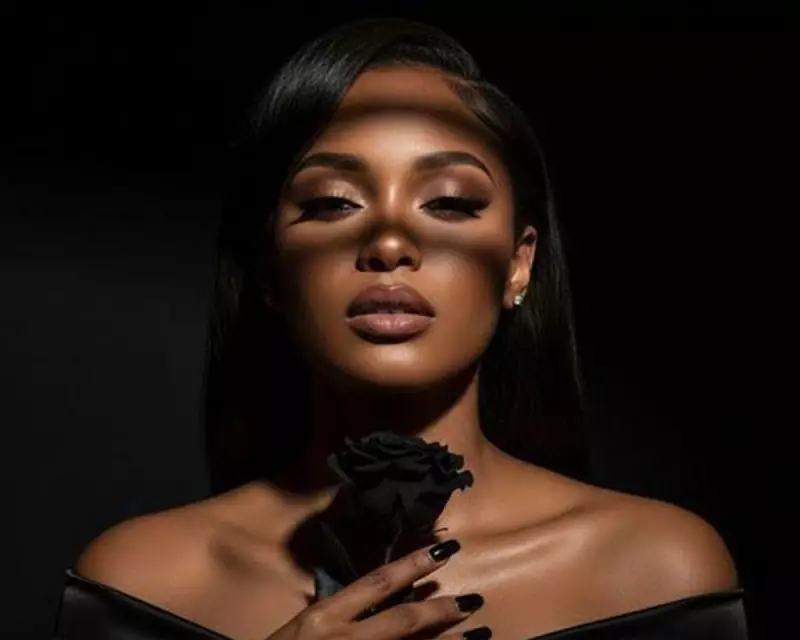
A revolutionary development has emerged in the music industry as Xania Monet, a completely artificial intelligence-generated pop star, has secured a $3 million record deal following her meteoric rise to fame. This photorealistic digital creation has achieved what many human artists spend years pursuing, with her songs accumulating 17 million streams within just two months and charting on Billboard.
Behind the Digital Curtain
Xania Monet represents the cutting edge of AI content production, described by commentator Van Badham as 'a photorealistic digital avatar accompanied by computer-generated sound that resembles human singing.' She serves as the musical iteration of AI 'actor' Tilly Norwood, created entirely through digital tools.
The project's creator, Telisha 'Nikki' Jones, has revealed that while the voice, face and music are artificially generated, the lyrics originate from '100%' her own poems based on real-life experiences. This distinction highlights the complex interplay between human creativity and artificial enhancement in this new artistic frontier.

Unlike human artists who draw from personal growth and lived experience, Xania exists as what Badham characterises as 'a clearly branded audio-visual delivery vehicle for a familiar vibe.' The digital star will never experience ageing, take creative risks, or face mortality, yet her content can potentially be regenerated indefinitely through AI systems.
Broader Implications for Music and Culture
The commercial success of Xania Monet has reignited longstanding debates about capitalism, creativity and opportunity within the music industry. While some view AI artists as threatening human creativity, others see them as natural evolution in a industry historically built on collaboration and technological innovation.
The phenomenon raises important questions about artistic authenticity in an industry where many celebrated performers, from Elvis Presley to Whitney Houston, have performed material written by others. As Forbes magazine questioned: 'Is this the future of music?' – the answer appears to be that it's very much part of music's present reality.
However, cultural commentators suggest that AI artists like Xania might represent a temporary moment rather than a permanent shift. Younger generations are developing what Badham describes as 'scorn for the sameyness of digital products,' referring to AI-generated content as 'clankers' with the same dismissive attitude previous generations showed toward outdated musical styles.
As cultural contexts evolve and potential restrictions on social media access emerge, along with growing interest in analogue experiences and in-person gatherings, the appeal of purely digital artists may prove limited to this specific cultural moment.
Nevertheless, the $3 million deal secured by Jones for her creation demonstrates the current commercial viability of AI-generated music, ensuring that conversations about technology's role in artistic expression will continue to shape the industry's future direction.