A prominent cultural figure has raised crucial questions about political recognition within Britain's arts sector, challenging why substantial Conservative government funding has failed to receive proper acknowledgement from cultural organisations.
The Forgotten Rescue Package
Neil Mendoza, who served as commissioner for culture between 2020 and 2023, expresses surprise that major funding decisions directed at culture have been largely forgotten or ignored, potentially because they originated from a Conservative administration.
During the height of the COVID-19 pandemic, culture stood as the only economic sector to receive its own specially designed, comprehensive rescue package. The landmark £2 billion Culture Recovery Fund provided crucial support for more than 5,000 organisations across the nation, ensuring their survival through unprecedented challenges.
Major Projects Transforming Cultural Landscape
Beyond emergency pandemic support, the government has directed billions into culture-led regeneration projects through various regional funds including levelling up, towns and borderlands initiatives.
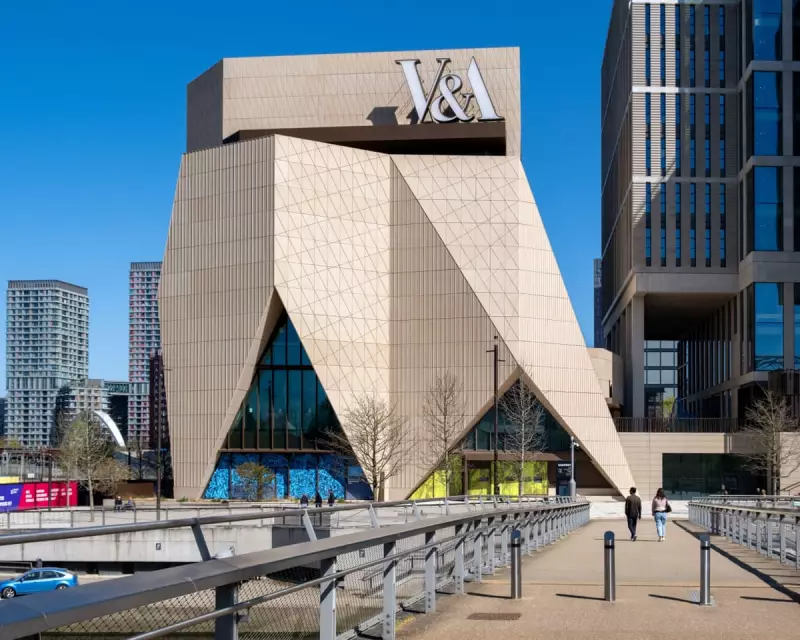
Several ambitious cultural developments have benefited from this funding, including Aviva Studios in Manchester, Bristol Beacon, V&A East in London, Shakespeare North in Prescot, Wentworth Woodhouse in Rotherham and the emerging Eden Project in Morecambe. These represent significant government investment working closely with local authorities to transform cultural infrastructure.
The extension of tax credits represents another substantial boost, with Rishi Sunak ensuring that theatre productions, museums and orchestras could benefit from similar incentives previously available only to film. Yet this expansion received remarkably little public recognition from the sector.
Acknowledgment Gap and Political Consequences
When Arts Council England announced its increased funding round in 2022, public attention focused overwhelmingly on the few organisations that missed out, rather than celebrating the 275 organisations receiving funding for the very first time across the country.
Mendoza observes that while some cultural leaders privately expressed enthusiasm about the funding injections, this gratitude often remained hidden. He suggests that many recipients remained silent because supporting a Conservative narrative conflicted with their worldview.
The former commissioner warns that if the cultural sector fails to recognise and welcome support from politicians across the political spectrum, along with the hard work of officials who deliver it, they cannot reasonably expect politicians to maintain their commitment. Politicians must ultimately respond to their voters, and without visible appreciation from the sector, continued support becomes politically challenging.
Mendoza's comments come in response to cultural leader Helen Marriage's assertion that no political party appears willing to commit to the level of investment needed to sustain Britain's living arts and culture ecology, while also placing responsibility on the sector to make a better case for support.