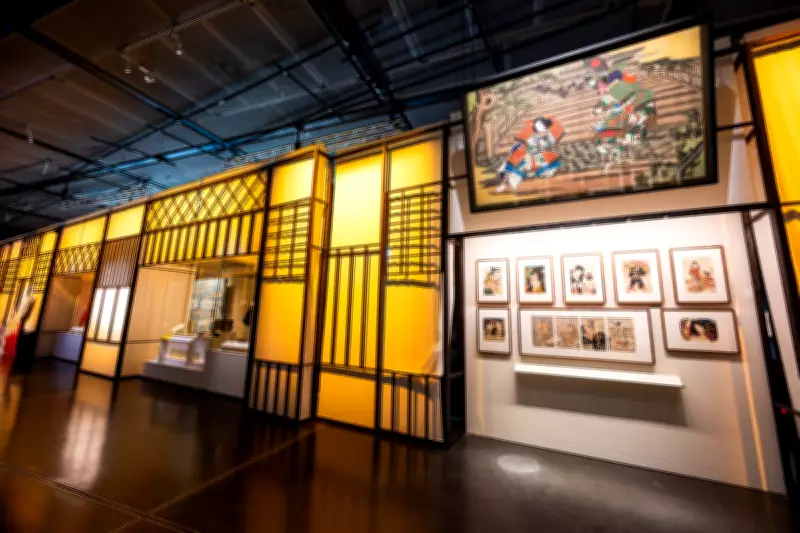
The British Museum's latest exhibition, dedicated to over 1,000 years of samurai history, has ignited a vibrant global conversation about the often-overlooked roles of women within this iconic warrior culture. This major cultural event, which opened to the public in February 2026, has drawn widespread attention, prompting a British-Japanese historian to address what she describes as oversimplified media narratives.
Historian Clarifies Complex Social Structures
Cultural commentator and historical author Sumiko Nakano has responded to headlines suggesting that "half of Japan's samurai were women," arguing that such claims blur crucial distinctions. Nakano emphasises that while the exhibition, titled "Samurai," is grounded in extensive academic research, some interpretations have conflated the broader samurai social class with formal military and administrative roles.
She explains, "The exhibition highlights the complexity of samurai society and the many roles that existed within it. Women played essential and influential roles within samurai households and elite class structures. However, historical documentation shows that formal samurai service roles were defined by legal, military, and administrative duties that were predominantly carried by male retainers."
Women's Vital Contributions in the Edo Period
During Japan's Edo period from 1603 to 1868, samurai life transitioned from constant warfare to governance, bureaucracy, and cultural leadership. Within elite households, women were pivotal in sustaining social and political stability. Their responsibilities were multifaceted and critical to the clan's success:
- Managing estates and overseeing financial matters
- Educating children and ensuring clan continuity
- Preserving political alliances through strategic marriages
- Maintaining cultural traditions and artistic patronage
Historical records also indicate that some women received training in martial disciplines, primarily for defensive purposes. In exceptional circumstances, such as castle sieges or periods of political turmoil, women did participate in combat. However, Nakano notes that these instances were situational and do not signify formal inclusion in samurai military ranks.
Opportunity for Deeper Public Understanding
Nakano views the debate sparked by the British Museum exhibition as a valuable opportunity to enrich public knowledge rather than reduce history to sensational claims. She encourages visitors to delve deeper into the subject, stating, "Major exhibitions like this encourage valuable public interest in historical subjects. They also remind audiences that samurai society included administrators, families, scholars, artists, and political networks alongside warriors. Preserving that full historical context is essential."
She adds that public engagement with history is most effective when supported by nuance and context, urging people to explore exhibitions and scholarly research thoroughly. "The story of samurai society is already rich, complex, and culturally significant—and it deserves to be understood in full," Nakano concludes.
The "Samurai" exhibition at the British Museum runs from 3 February to 4 May 2026, offering a comprehensive look into the evolution of this warrior class and the diverse roles within its society.