British Museum Celebrates Record-Breaking Year for Archaeological Discoveries
The British Museum has announced that 2024 was a record-breaking year for archaeological and treasure finds across Britain, with the highest number ever recorded in a single year. This remarkable achievement is largely attributed to the growing community of metal detectorists, whose discoveries have significantly contributed to documenting and preserving the nation's rich historical heritage.
Exceptional Finds from Harold II's Reign and Roman Britain
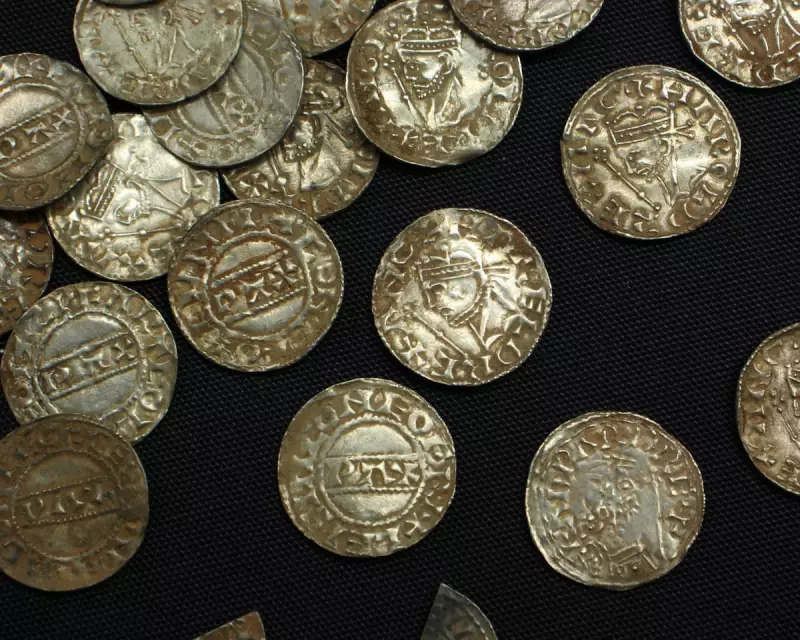
Among the most significant discoveries showcased by the museum is a hoard of 179 silver pennies linked to Harold II, the last Anglo-Saxon king of England. These coins were most likely buried on the eve of the Battle of Hastings in 1066, during a period of intense political turmoil. This particular hoard is especially notable because it contains only coins from Harold's brief reign, offering a unique glimpse into this pivotal moment in English history.
The museum suggests one intriguing possibility: that the hoard was deposited late in Harold's rule, potentially around the time of the Norwegian invasion led by King Harald Hardrada in September 1066. This invasion briefly captured York after the Battle of Fulford, which occurred remarkably close to where the hoard was eventually discovered.
Rare Roman Vehicle Fitting and Early Medieval Treasures
Another standout find is a complete copper-alloy Roman vehicle fitting, dating from approximately AD 43 to AD 200, discovered by a detectorist in Essex. Such fittings are exceptionally rare in Britain and were likely attached to the body of a carriage or wagon, or to the yoke that connected draught animals to the vehicle. This artefact provides valuable insight into Roman transportation and craftsmanship.
Additionally, a collection of early medieval precious metal objects was found in plough soil in Wiltshire. These include a silver, gold, and garnet bird's-head terminal with elephant ivory inlays, possibly from a drinking horn, along with several gold rings and other metal objects. Discovered just metres apart by detectorists, these pieces may form part of a high-status early medieval burial, offering a fascinating window into elite lifestyles and international connections during that era. A follow-up excavation will be led by Cardiff University and the Portable Antiquities Scheme in the coming months.
Record Numbers and Public Contribution
Figures released by the British Museum reveal that finds reported by the public accounted for an impressive 94% of the total in 2024, marking a significant increase over the past three years. In total, there were 79,616 finds recorded, up from 74,506 in 2023 and 53,490 in 2022. Treasure cases reported in England, Wales, and Northern Ireland reached 1,540, representing an increase of 163 from the previous year.
Under the Treasure Act 1996, treasure is defined as any metallic object, other than a coin, with at least 10% precious metal by weight and an age of 300 years or more. The counties recording the most Portable Antiquities Scheme finds were Norfolk, Suffolk, Lincolnshire, and Gloucestershire, all agricultural regions known for their rich archaeological heritage. Norfolk, Hampshire, and North Yorkshire led in treasure finds, with more than 92% of objects recovered from cultivated land, where they are particularly vulnerable to agricultural damage.
Leadership and Future Prospects
Dr Nicholas Cullinan, Director of the British Museum, emphasised the importance of the Portable Antiquities Scheme and Treasure process, describing them as "vital tools for preserving and recording Britain's past, ensuring that remarkable discoveries made by the public are protected, studied and made accessible to everyone."
Ian Richardson, Acting Head of Portable Antiquities and Treasure at the museum, praised the dedication of finders across the country, noting that the continued rise in discoveries is a testament to their efforts. He added, "Their responsible reporting allows us to build a richer and more detailed picture of life in the past, while ensuring that important objects are preserved for public benefit."
This record year highlights the crucial role of metal detectorists and public engagement in uncovering Britain's historical treasures, fostering a deeper understanding of the nation's past for generations to come.