Exhibit Overview
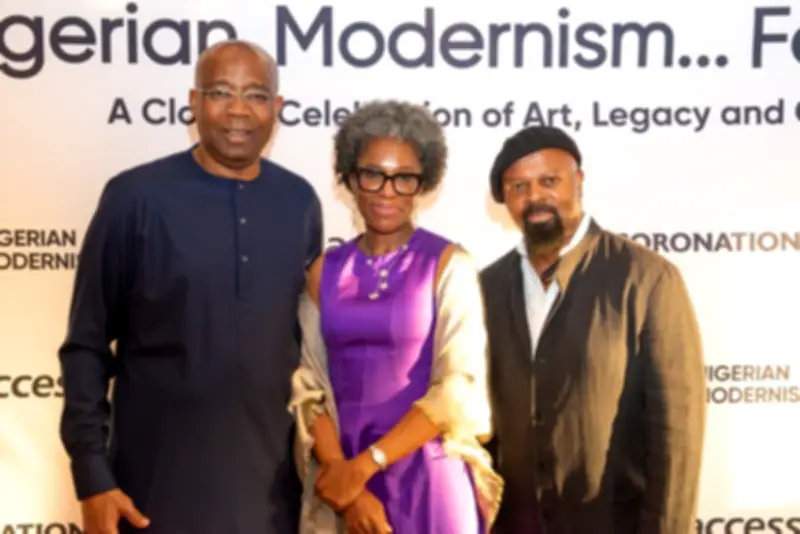
Tate Modern's latest exhibition, 'Nigerian Modernism: Art and Architecture in the Post-Independence Era,' opened this week, featuring over 50 works from the 1950s to the 1970s. The show explores how Nigerian artists and architects forged a new visual language after the country gained independence from British colonial rule in 1960.
Key Artists and Works
The exhibit includes pieces by renowned figures such as Ben Enwonwu, whose bronze sculpture 'Anyawu' (1973) is a centerpiece, and Uche Okeke, known for his ink drawings blending Igbo mythology with modernist abstraction. According to curator Osei Bonsu, 'These artists were not just reacting to Western modernism; they were creating a distinctly Nigerian aesthetic rooted in local traditions.'
Architectural Focus
A section dedicated to architecture features photographs and blueprints of buildings like the University of Lagos Senate Building (1965) by designer A. O. Udechukwu, highlighting the fusion of international style with local materials. The exhibition also includes a 1966 film by Francis Oladele documenting the construction of the National Theatre in Lagos.
Historical Context
The period saw a boom in cultural production as Nigeria emerged as a leader in African modernism. The exhibition notes that the 1961 'Mbari Mbayo' workshop in Ibadan became a hub for artists experimenting with new forms. However, the Nigerian Civil War (1967-1970) disrupted many projects, and some works were lost or damaged.
Impact and Legacy
Bonsu added, 'This generation laid the groundwork for contemporary African art, challenging stereotypes and asserting a global presence.' The exhibition runs until January 2025, with talks and workshops planned. It has drawn praise for its comprehensive scope, though some critics note the absence of female artists, a gap the museum says it will address in future displays.