A museum dedicated entirely to spectacular missteps, flawed inventions, and corporate calamities is set to open its doors in the United Kingdom next spring. The Museum of Failure, a travelling exhibition that has toured globally, will finally arrive on British shores, its founder believing the nation to be its spiritual home.
A British Home for Glorious Flops
Dr Samuel West, the museum's creator, stated he has always intended to bring the collection to Britain due to the nation's distinctive dark humour and affinity for the underdog. "The Brits totally get it," West remarked, anticipating an intuitive and warm reception. He pointed to the UK's long history of managing ambitious ideas with a unique style, making it the perfect setting for an exhibition that reframes failure as a necessary part of progress.
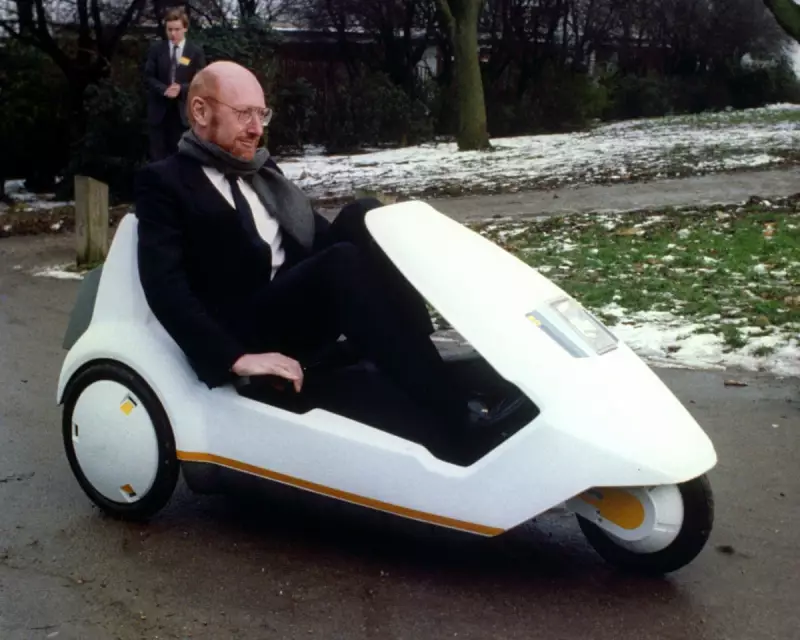
The museum's collection is a cabinet of curiosities from the world of innovation, featuring failed gadgets, ill-fated design experiments, and products that missed the mark. Notable UK-born exhibits confirmed for display include the tragic ocean liner the Titanic, Sir Clive Sinclair's infamous battery-and-pedal-powered C5 electric trike, the NHS's troubled national IT programme, Dyson's Zone air-purifying headphones, and the business struggles of Amstrad and The Body Shop. The political and economic project of Brexit will also feature as a prominent exhibit.
More Than Just Schadenfreude: The Lesson in the Flop
Dr West was keen to stress that the museum's purpose extends beyond mere mockery. Its core mission is to foster a deeper understanding of ambition, risk, and the invaluable lessons embedded in collapse. "I want to reframe failure and show it is a universal and necessary part of innovation and learning," he explained. The exhibition argues that to solve major contemporary problems—environmental, social, economic—society must take bold risks, and that requires destigmatising failure.
Innovation expert Ben Strutt, who has visited the museum, supports this view. He noted that visitors can see how 42% of all startups fail and how even the world's biggest brands have faced significant setbacks. The exhibition also highlights how some failures pave the way for future success; the Apple Newton, for instance, was a commercial disappointment but directly informed the development of the iPhone, while Google Glass experimented with concepts now seen in augmented reality wearables.
A Global Perspective on Getting It Wrong
The museum's global tour has revealed that attitudes towards failure are profoundly cultural. Dr West shared contrasting experiences: in China, visitors enjoyed laughing at failed Western products, while in risk-averse South Korea, people were confused by what seemed like a celebration of failure. In the United States, failure is often neatly packaged within a narrative of eventual success, leading American visitors to treat the museum as a simple joke.
However, West recalled a powerful moment in Ivory Coast where a woman challenged his perspective, rightly pointing out that for many, business failure carries catastrophic consequences like plunging an entire family into poverty—a stark contrast to the "fail forward" ethos of Silicon Valley.
Psychologist and author Fiona Murden welcomed the museum's potential to help people, particularly the young, develop healthier attitudes towards risk and resilience. Yet she offered a note of caution, warning that framing failure too positively can invalidate the genuine stress and significant setbacks people experience.
With a UK venue yet to be confirmed for its spring 2025 opening, the Museum of Failure is poised to invite British audiences to engage with their nation's legendary capacity for ambitious, stylish, and sometimes hilarious misadventure. As Dr West concluded, the British sense of humour embraces a "sarcastic, dark awareness that things can just go horribly wrong"—making the country the ideal host for this celebration of glorious defeat.