West London's Treasured Arabic Art Gallery Set for Grand Reopening
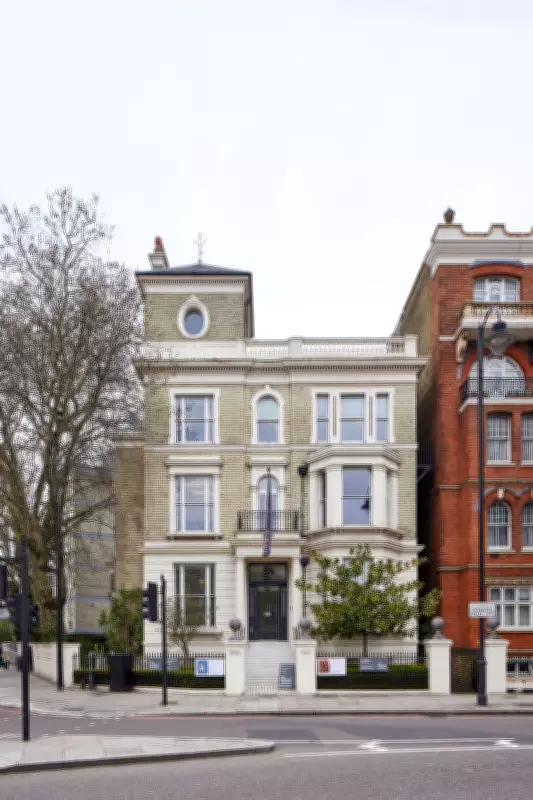
The Mosaic Rooms, a cherished free art museum located in Earl's Court, west London, is preparing to welcome visitors once again next month. This specialised gallery, which has been a vital hub for Arabic cultural expression since 2008, closed its doors at the end of 2024 to undergo a significant refurbishment. From February 18, art enthusiasts and the local community will be able to explore its newly enhanced spaces and immersive exhibitions.
A Transformed Space with Enhanced Facilities
When the Mosaic Rooms reopens, it will unveil a series of impressive upgrades designed to enrich the visitor experience. The refurbishment has introduced a brand new entry hall, refreshed gallery areas, and an upgraded bookshop. One of the standout additions is a permanent site-specific installation titled 'Four Moons From Home' by Palestinian architect and visual artist Dima Srouji. This captivating work features immense stained-glass windows carved in Jerusalem stone by skilled artisans from Bethlehem, creating a profound artistic statement right from the entrance.
Beyond the visual enhancements, the gallery has expanded its functional spaces to support creative learning and community engagement. A new creative learning area, aptly named the Play Room, has been established to foster educational activities. Additionally, an upstairs room called The Salon will serve as a versatile venue for film screenings and social gatherings. The gallery's distinctive tower has been repurposed into a space for experimental broadcasts, adding a dynamic multimedia dimension to its offerings.
Exciting Exhibitions and Cultural Programming
The reopening marks the beginning of an exciting new chapter for the Mosaic Rooms, with a curated lineup of exhibitions that delve into Arabic heritage and contemporary issues. A highlight is the UK's first ever public solo exhibition by artist Bouchra Khalili, titled 'Circles and Storytelling'. This exhibition features three films that explore the legacy of the 1970s activist collective known as the Movement of Arab Workers and its theatre groups. These works shed light on the struggles of undocumented workers advocating for social justice and artistic freedom, offering a poignant reflection on historical and current realities.
Over the years, the Mosaic Rooms has showcased renowned artists such as Sandi Hilal and Alessandro Petti, founders of Decolonising Architecture Art Research, and Mohammed Omar Khalil, celebrated as the Arab world's first printmaker. The gallery's commitment to presenting diverse voices from the Arab region and its diasporic communities remains a cornerstone of its mission.
New Leadership and Future Vision
The physical transformation of the Mosaic Rooms is accompanied by significant changes behind the scenes. The non-profit organisation returns with a brand new director, team, and board, signalling a fresh direction for its future operations. Incoming director Pip Day expressed enthusiasm for the reopening, stating, 'I look forward to strengthening connections with artists and communities whose work confronts the inequalities of our contemporary world, speaks to urgent histories and presents, and holds space – in London – for the lived experiences of the Arab region and diasporic communities.'
This revitalised approach aims to deepen the gallery's impact as a cultural institution that not only displays art but also fosters dialogue and understanding. By providing a platform for critical artistic expressions, the Mosaic Rooms continues to contribute to London's vibrant cultural landscape, offering free access to thought-provoking works that resonate with global audiences.
The Mosaic Rooms will officially reopen on February 18 at its location on 226 Cromwell Road, SW5 0SW. Visitors can look forward to experiencing a blend of traditional and contemporary Arabic art in a setting that has been thoughtfully redesigned to inspire and engage. This reopening represents a significant moment for London's art scene, reaffirming the city's dedication to celebrating diverse cultural narratives through accessible and innovative museum experiences.