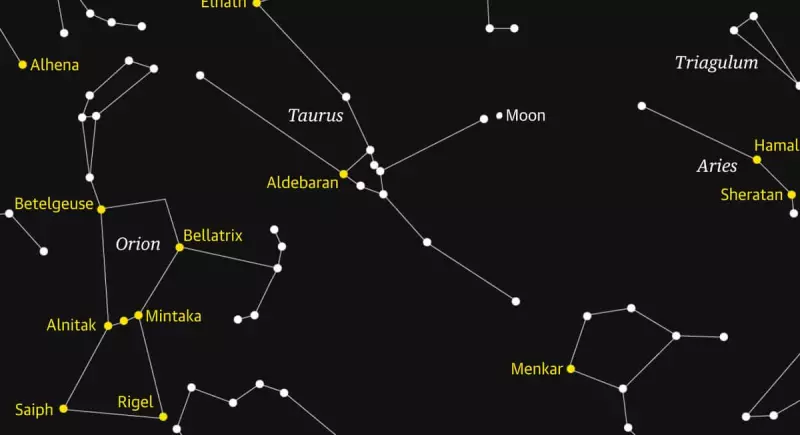
Stargazers across the UK are in for a captivating celestial treat later this month, as the moon is set to perform a rare and dramatic occultation of the famous Pleiades star cluster. On the night of 27 January, our lunar neighbour will glide directly in front of this iconic grouping of stars, temporarily obscuring some of its brightest members from view for approximately an hour.
A Winter Sky Icon
The Pleiades, often referred to as the seven sisters, reside approximately 440 light years away within the constellation of Taurus, the Bull. This stunning cluster stands as one of the most recognisable and beloved structures in the winter night sky, easily visible to the naked eye as a tiny, shimmering dipper of stars.
All the stars within the Pleiades share a common origin, having been born from the same colossal cloud of molecular gas. At a relatively youthful age of around 100 million years, these stellar siblings remain a tightly-knit community, though in cosmic time they will eventually drift apart and disperse throughout our galaxy.
The Occultation Event
In stark contrast to the vast distance of the Pleiades, the moon orbits just over a light second away from Earth. This proximity means its motion against the backdrop of stars is perceptible over short periods, making the upcoming occultation a particularly observable event.
To fully appreciate this astronomical phenomenon, enthusiasts should plan to spend an hour or two outdoors during the late evening of 27 January. The dark side of the moon will be leading its direction of travel, which should make the disappearance and subsequent reappearance of the stars clearly visible as they seem to 'wink out' behind the lunar disc.
Viewing Details and Timing
The accompanying chart depicts the view looking south-southeast from London at 9pm on the night of the event. This timing occurs roughly ten minutes before the first of the seven sisters, the star Taygeta, will vanish from sight. However, it is crucial to check precise local timings online, as even across different locations within the UK, the exact moments of disappearance and reappearance can vary by about fifteen minutes.
This lunar passage through the Pleiades offers a wonderful opportunity to witness the dynamic nature of our night sky and appreciate the intricate dance of celestial bodies. Whether you're an experienced astronomer or simply enjoy gazing upwards, this event promises to be a memorable highlight of the winter observing season.