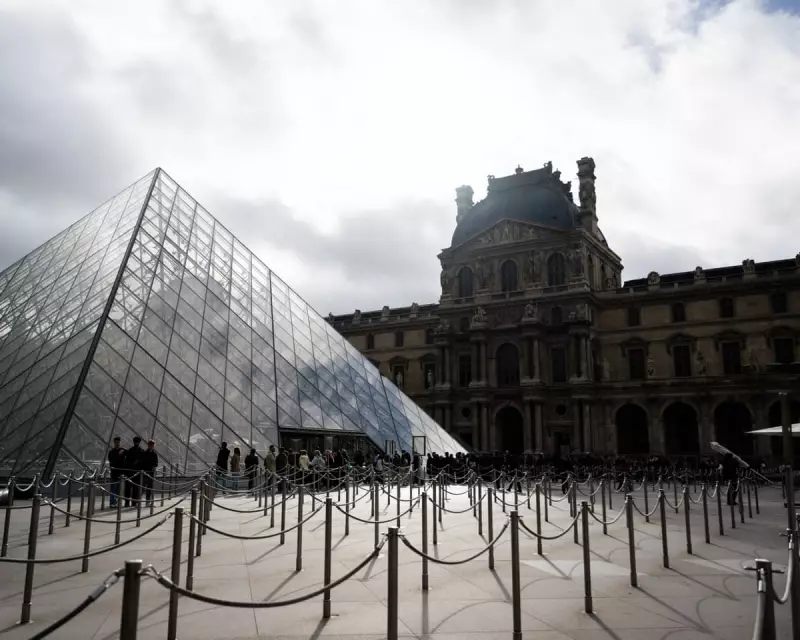
The world's most visited museum, the Louvre in Paris, has been dealt another blow with the sudden closure of one of its key galleries due to serious structural concerns.
Precautionary Closure Announced
The Campana Gallery, home to nine rooms of ancient Greek ceramics, has been temporarily shut to the public while urgent investigations take place. The decision came after a structural audit identified weaknesses in certain beams supporting the floor above the gallery.
A museum statement released on Monday confirmed the precautionary measure, emphasising that the closure affects the first-floor gallery in the Sully wing at the eastern end of the complex. The area directly above, used as office space, has been evacuated with 65 staff members relocated while further assessments are conducted.
Broader Context of Institutional Challenges
This structural problem represents more unwelcome news for the prestigious institution, coming just weeks after a spectacular daylight robbery. In that incident, a four-person gang used an extendable ladder and angle grinders to steal jewellery valued at approximately $102 million from startled visitors.
The announcement explicitly states that the gallery closure has no connection to the recent theft. However, it follows serious warnings from the museum's own administration about the deteriorating condition of the historic palace building.
In a January memo, Louvre director Laurence des Cars described a "proliferation of damage in museum spaces", noting that some areas were "no longer watertight" while others experienced dangerous temperature fluctuations that threatened artwork preservation.
Ongoing Investigations and Impact
The museum has not provided a timeline for when the Campana Gallery might reopen, stating only that it will remain closed throughout the investigation period. The Louvre attracted 8.7 million visitors in 2024, making it the world's most visited art gallery despite its ongoing challenges.
This latest development raises broader questions about maintaining historic cultural buildings while ensuring both visitor safety and artwork preservation. The structural issues in the Sully wing represent another significant challenge for museum administrators already grappling with security improvements following the audacious heist.