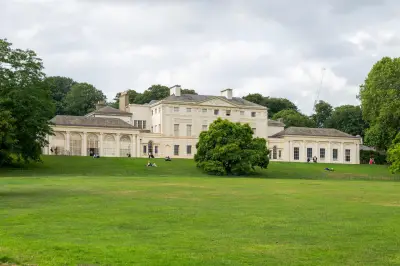
In a spectacular display of fireworks and celebration, the National Museum of Libya in Tripoli has thrown open its doors once more, marking a symbolic moment of hope for a country long divided by conflict. The museum, home to Africa's most significant collection of classical antiquities, had been shut for nearly 14 years following the civil war that erupted after the fall of dictator Muammar Gaddafi.
A Lavish Ceremony in Martyr's Square
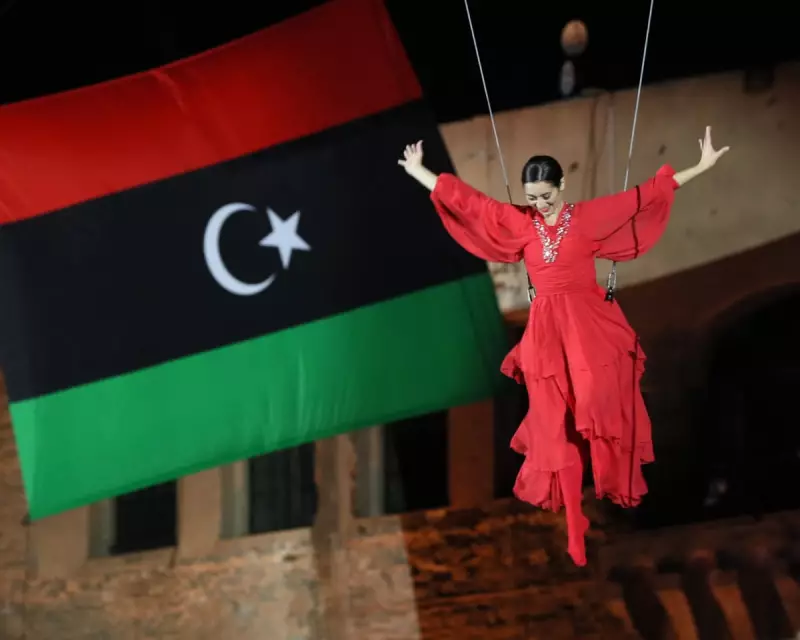
The reopening ceremony was a grand affair, designed to compress Libya's vast history into a single night. Held in Tripoli's central Martyr's Square, the event featured a full Italian orchestra, acrobats, dancers, and dramatic projections on the walls of the historic Red Castle complex. The climax saw a billowing Ottoman sailing ship suspended on wires above the port, greeted by a performer representing an angelic Libyan woman.
Prime Minister Abdul Hamid Dbeibah, head of the UN-recognised Government of National Unity, performed the official opening. In a gesture reminiscent of the British parliament's State Opening, he used a large ceremonial stick to hammer on the museum's giant wooden doors, demanding entry before the crowds poured in.
Treasures From a Turbulent Past
Inside the museum's four floors lies a testament to Libya's layered history, shaped by Greek, Roman, Ottoman, and Italian occupations. The collection is breathtaking in its scope. Visitors can find prehistoric cave paintings rivalling those in Lascaux, 5,000-year-old mummies from the ancient settlement of Uan Muhuggiag in the deep south, and Punic alphabet tablets.
The museum also houses countless artefacts from the stunning Roman coastal cities of Leptis Magna and Sabratha, including mesmerising mosaics, friezes, and statues. Notably absent, however, is one of the collection's few losses from the uprising: Gaddafi's distinctive turquoise Volkswagen Beetle, which once held pride of place.
Dr Mustafa Turjman, the former head of the antiquities department, revealed the immense effort taken to preserve these treasures. Speaking from offices once used by Italian archaeologists in the Red Castle, he explained how every artefact, from the smallest coin to the largest statue, was evacuated to secret locations to protect it from looters and smugglers during the war.
A Force for Unification in a Divided Land
For Dr Turjman and many others, the museum's reopening is about far more than archaeology. He sees it as a vital force for national unification in a country still split between rival eastern and western governments. "This is a museum about the whole of Libya," he emphasised. "When people from Tripoli in the west come here they see statues from Cyrenaica in the east, and when Cyrenaicans come they see their heritage. It helps reunify the two regions."
He also hopes the institution will play a crucial educational role, countering the distorted teachings of the Gaddafi era. The first weeks of opening are dedicated to school visits. "The most important thing is teaching the mind," Turjman stated. "Teaching how to respect time and history, and how to respect others."
Optimism Meets a Harsh Reality
While the government promotes a vision of Libya "through optimist's eyes," significant challenges persist. On the very night of the museum's opening, a notorious people smuggler, Ahmed al-Dabbashi, was reportedly shot dead in a clash with security forces in Sabratha. This incident underscored the ongoing instability.
Prime Minister Dbeibah is frank about the country's problems. He admitted that roughly 2.5 million Libyans, about a third of the population, are on the government payroll, a symptom of a failed shift away from oil dependency. He also acknowledged the arrest of three of his own ministers in a corruption probe, though he insisted on spending transparency.
Political reconciliation remains elusive. Dbeibah, who was appointed in 2021 and was meant to serve only until elections, now opposes a vote until a new constitution is ratified—a process mired in delays. The UN is attempting to organise a dialogue ahead of possible elections next year, but the cycle of preconditions set by eastern and western factions shows no sign of ending.
One of the museum's first high-profile visitors, Egyptian comedian Bassem Youssef, reflected on Libya's damaged international image. He noted that the country only makes global headlines when there is conflict or crisis. "The image of any country or society has nothing to do with the reality on the ground," he observed, "but rather with the lens through which one sees reality. Unfortunately... this lens, which transmits the image of most of our Arab countries, is broken, cracked and distorted."
The National Museum's reopening is a powerful attempt to change that lens, offering a glimpse of Libya's profound cultural heritage and a fragile hope for a more unified future.