The La Brea Tar Pits and Museum, home to over 2 million ice age fossils, is undergoing its first major renovation in nearly 50 years. The $240 million project, led by New York design firm Weiss/Manfredi, will close the museum in July for two years, transforming both the interior and the surrounding 5.2-hectare park.
A Unique Urban Fossil Site
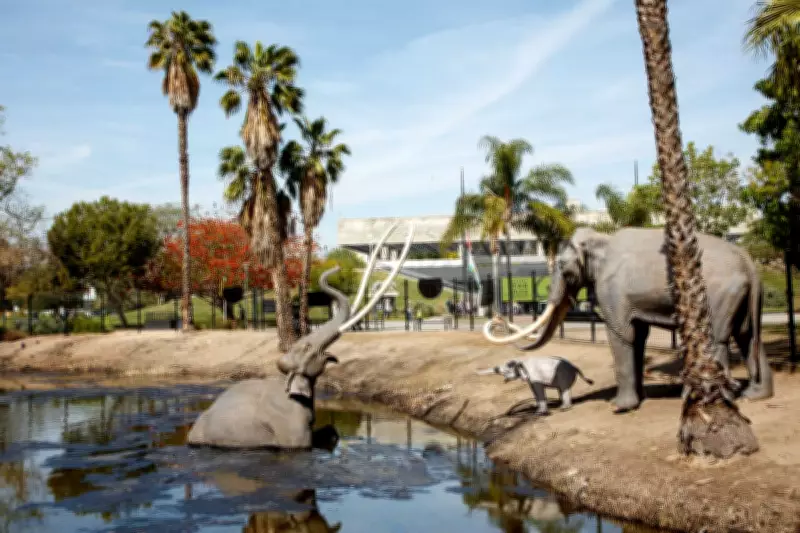
Located in the heart of Los Angeles, the La Brea Tar Pits is the only active ice age excavation site in an urban setting worldwide. Since opening in 1977, it has drawn millions of visitors to see fossils of mastodons, saber-toothed cats, and other creatures trapped in natural asphalt seeps. The site's famous Lake Pit, featuring fiberglass mammoths, will remain a beloved feature.
“It’s like Pompeii, but in the middle of a massive city,” said Emily Lindsey, associate curator and excavation site director. The site preserves over 2 million specimens, including 59 mammal species and 135 bird species, making it one of the richest paleontological sites on Earth.
Renovation Plans
The museum's brutalist architecture will be retained, but the interior will be completely reimagined. New walkways, bridges, and an outdoor classroom will connect the park to the museum, creating an indoor-outdoor experience. The Fossil Lab will keep its viewing windows so visitors can watch scientists at work. Exhibits will feature dynamic dioramas, replacing static mounts, to tell the story of ice age Los Angeles and connect it to modern climate challenges.
“We want to showcase the process of science in an accessible way,” Lindsey added, highlighting the importance of scientific literacy.
History and Discovery
The tar pits formed from an underlying fault that causes oil to seep to the surface. The Chumash people used the tar for waterproofing boats. In the early 20th century, oil drilling led to the discovery of fossilized bones. Between 1913 and 1915, about 750,000 specimens were unearthed, including American lions and giant short-faced bears. The site is considered a predator trap, where herbivores became stuck and attracted carnivores that also perished.
The renovation, initiated in 2019, includes community input and aims to make the museum more visible and accessible. “You could be in the park and not see the museum,” said Lori Bettison-Varga, president of the Natural History Museums of Los Angeles County. “Now, we’re reimagining it as a true indoor-outdoor experience.”
The museum will close in July 2024 and reopen in 2026, with updated exhibits, native plants, and a focus on engaging all ages, from children to seniors.