The Guggenheim Foundation has officially abandoned a contentious proposal to expand its iconic Bilbao museum into a protected natural area of the Basque Country. The decision follows sustained and vocal opposition from environmental groups and local campaigners concerned about the impact on a vital wildlife habitat.
Project Scrapped Amid Environmental and Planning Constraints
In a statement released earlier this week, the foundation confirmed the project had been shelved. It cited "territorial, urban planning and environmental constraints and limitations" as the key reasons for the decision. The plan, developed in partnership with the Basque government and local authorities, would have seen two new museum sites: one in the historic town of Guernica and a main building within the Urdaibai nature reserve.
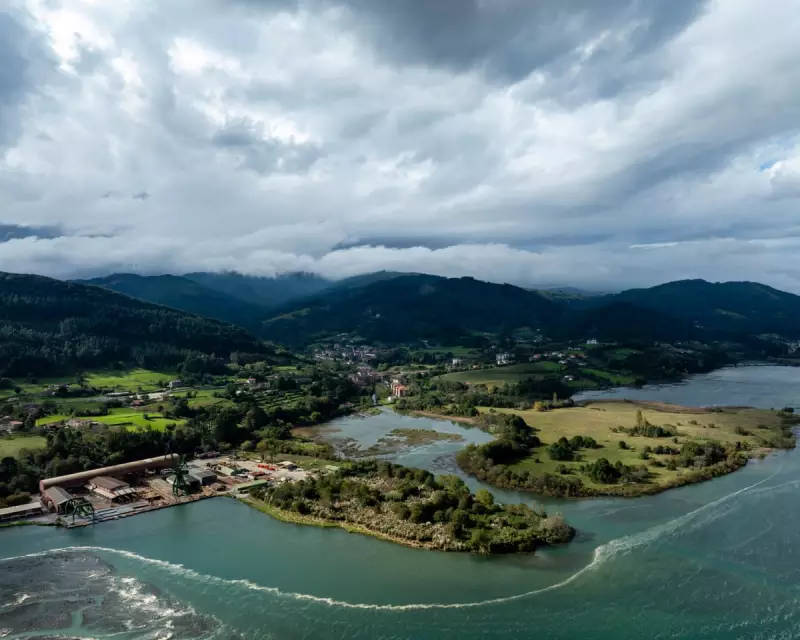
Proponents had argued the expansion would act as an economic catalyst, revitalising the area, attracting investment, and creating jobs. However, this vision clashed directly with the ecological significance of the proposed location. Urdaibai is a 22,068-hectare Unesco biosphere reserve, designated in 1984, and serves as a crucial habitat for local species and migrating birds.
A Victory for Grassroots Campaigners
The announcement was met with jubilation by the coalition of groups who fought the project. Organisations including Greenpeace, WWF, Ecologists in Action, Friends of the Earth, and SEO/BirdLife had all demanded the scheme be cancelled. They argued it was being pushed through without proper public consultation and would irreparably damage the pristine estuary, salt marshes, and cliffs of Urdaibai.
The campaign platform Guggenheim Urdaibai Stop released a triumphant statement. "The authorities told us unanimously that they were going to build this museum 'no matter what'," they said. "Now, however, we are here celebrating the decision that these same leaders and institutions have had to make, unable to ignore a reality revealed by science, the law, and society."
Contrast with Bilbao's Urban Regeneration Story
The decision highlights a stark contrast with the original Guggenheim Bilbao's story. That museum, which opened in 1997 amidst its own controversy, is widely credited with transforming the city's post-industrial decline and putting it on the global cultural map. However, campaigners successfully contended that building on a polluted urban riverside plot was fundamentally different from constructing on a protected natural biosphere.
Environmental groups emphasised the power of public mobilisation. SEO/BirdLife credited "citizen mobilisation" for saving "this threatened natural heritage." Greenpeace Spain stated plainly: "Social mobilisation works... we have managed to stop the extension of the Guggenheim Museum that threatened to destroy this unique natural space. Urdaibai is already a monument and it will continue to be one."
The Guggenheim Foundation stated it would now explore new alternatives to fulfil its growth objectives, aiming to remain a leading international institution and a driver of the Basque Country's cultural and economic scene.