French Police Arrest Suspects in Louvre Ticket Fraud Scheme
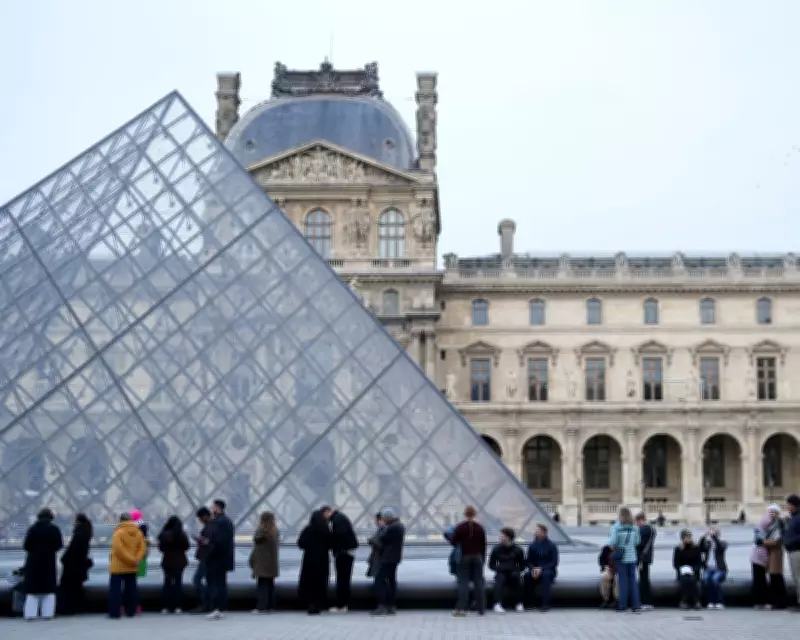
French law enforcement officials have made a significant breakthrough in combating art-related financial crimes with the arrest of multiple individuals suspected of involvement in a large-scale ticket fraud operation at the Louvre Museum in Paris. The arrests, which occurred recently, mark a decisive step in addressing a sophisticated scam that has been exploiting one of the world's most visited cultural institutions.
Details of the Fraudulent Operation
According to preliminary reports from investigative sources, the suspects are alleged to have orchestrated a complex scheme involving the creation and distribution of counterfeit or illegally obtained tickets for entry into the Louvre. This fraudulent activity is believed to have resulted in substantial financial losses for the museum, potentially amounting to hundreds of thousands of euros over an extended period. The operation reportedly utilized advanced digital methods to bypass security measures, highlighting the evolving nature of such crimes in the digital age.
The Louvre, home to iconic masterpieces like the Mona Lisa, attracts millions of visitors annually, making it a prime target for ticket-related scams. Authorities suspect that the fraud ring may have been operating for several months, if not longer, before being uncovered through a coordinated investigation involving multiple agencies. The exact number of arrests has not been officially disclosed, but sources indicate that several key figures in the network have been detained for questioning.
Impact on Museum Security and Visitor Experience
This incident underscores the ongoing challenges faced by major cultural venues in safeguarding their revenue streams and ensuring a secure environment for patrons. Ticket fraud not only deprives institutions of vital funds but can also lead to overcrowding and security breaches, compromising the overall visitor experience. The Louvre has previously implemented measures such as timed entry slots and enhanced verification systems to combat such issues, but this case suggests that fraudsters continue to adapt their tactics.
In response to the arrests, museum officials have reiterated their commitment to working closely with law enforcement to prevent future incidents. They emphasized that legitimate ticket purchases through authorized channels remain the safest way for visitors to access the museum's collections. The investigation is ongoing, with authorities examining digital records and financial transactions to uncover the full extent of the fraud network.
This crackdown serves as a reminder of the broader issue of art crime, which includes not only theft and forgery but also financial scams targeting cultural heritage sites. As museums worldwide increasingly rely on digital ticketing systems, experts warn that robust cybersecurity protocols and public awareness are essential to mitigate risks. The French police's actions in this case are expected to set a precedent for similar operations across Europe and beyond.